hop on the good foot

This blog is definitive. Reality is frequently inaccurate.


2 Comments

Cuenca and Alausí – A week in the city of churches, the Inca ruins of Ingapirca and a ride down the Devils nose.

The banks of the river Tomebamba in Cuenca

The banks of the river Tomebamba in Cuenca

Cuenca was the next stop for us, which is 10 hours south of Quito down the Andes in Azuay province.  It sits pretty high still, at about 2530m and is a UNESCO world heritage site due to its well preserved colonial architecture, handsome plazas, pre Colombian ruins and endless supply of churches.  To get there, we took the worst night bus ride ever courtesy of Panamericana, leaving at 10pm from Quito’s new town.  We knew it was a bad omen when, at midnight, we all got booted off the bus at the side of an anonymous stretch of the highway and were told to wait for another bus…for no reason.  Then, when we got on, the remaining eight hours were sleepless and uncomfortable due to the driver tazzing it down the Andes at breakneck speeds.  Hard to stay in your chair, let alone sleep.
Calle Larga
Calle Larga

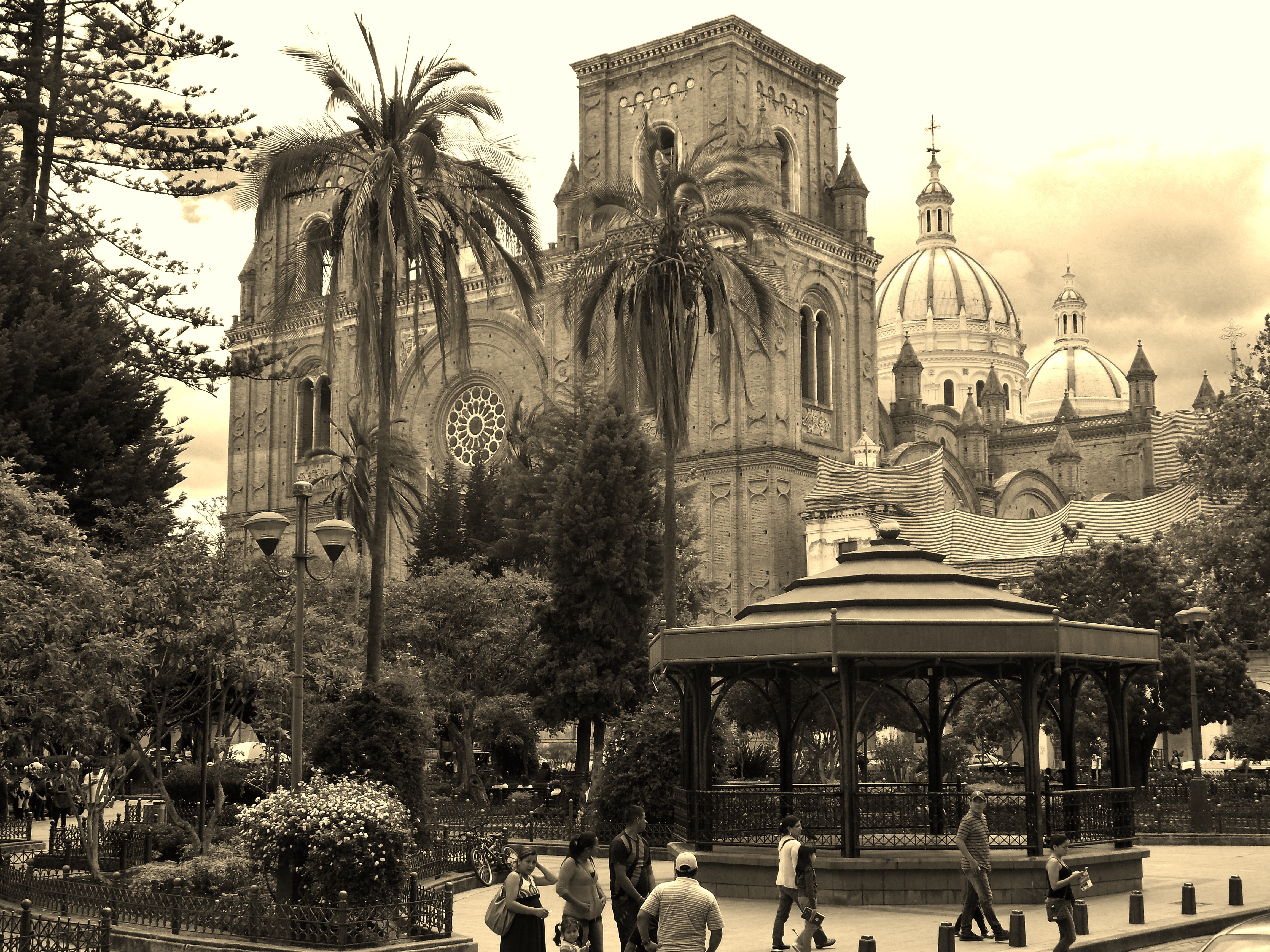
The Cathedral of the Immaculate Conception

The Cathedral of the Immaculate Conception

We stayed in Cuenca for a whole week.  This was not the plan but there were a combination of things that kept us there.  Firstly, we both felt unwell.  Ollie more than I, but we ended up spending a couple of days in bed.  I reckon this was our bodies still adjusting to the altitude, nothing life threatening.  The rest of the days we were waiting out the unpredictable weather, so we could go hiking in the Cajas National park.  We have since learned that the weather in Ecuador, in the Andes at least, is incredibly unpredictable and if you want to do anything active or with a view, you must get up early with fingers crossed.  Anyway, we managed to lose a week there…

The domes of the Cathedral of the Immaculate Conception

The domes of the Cathedral of the Immaculate Conception

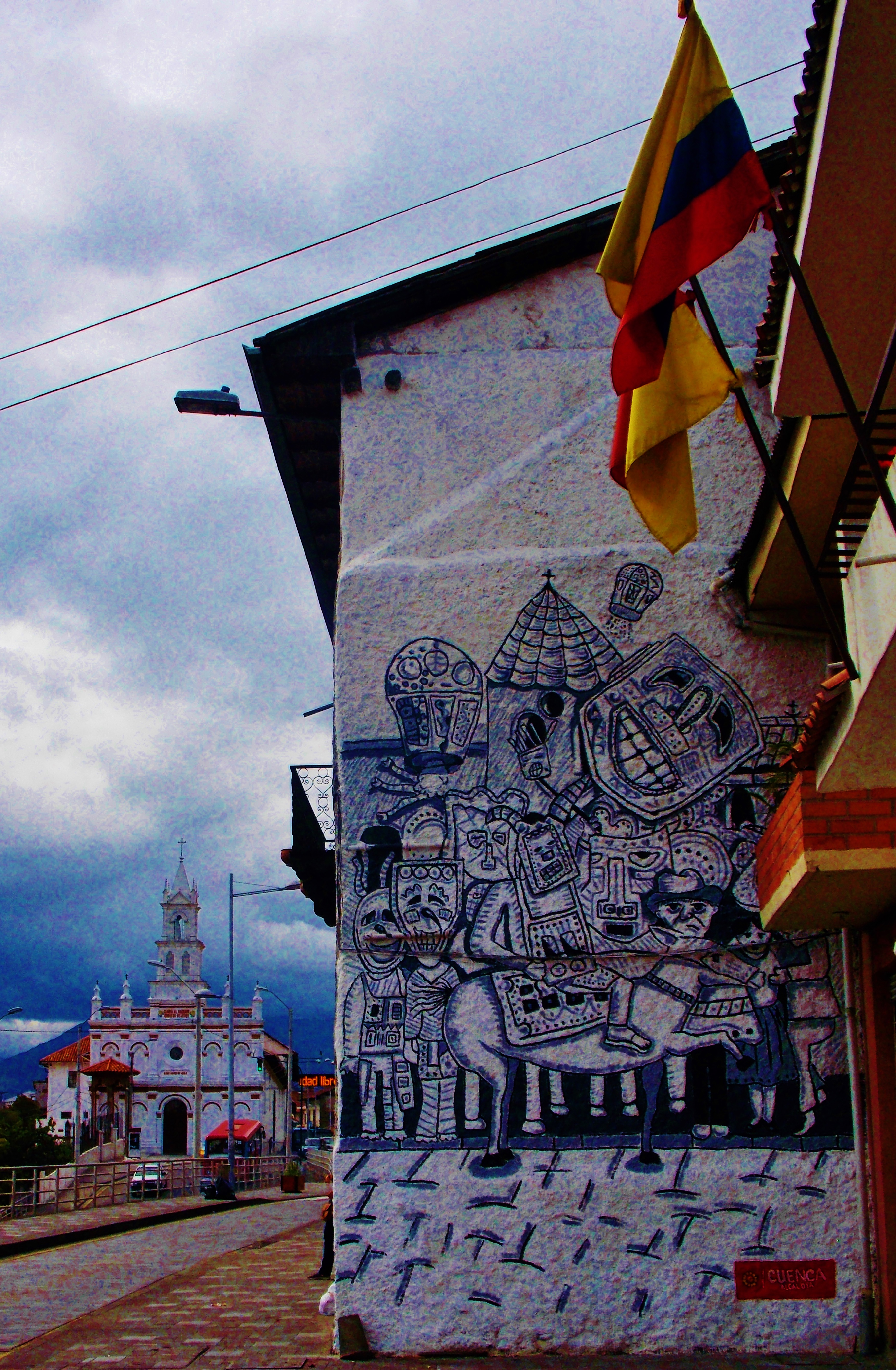
Cuenca street art

Cuenca street art

A church on every corner in Cuenca

A church on every corner in Cuenca

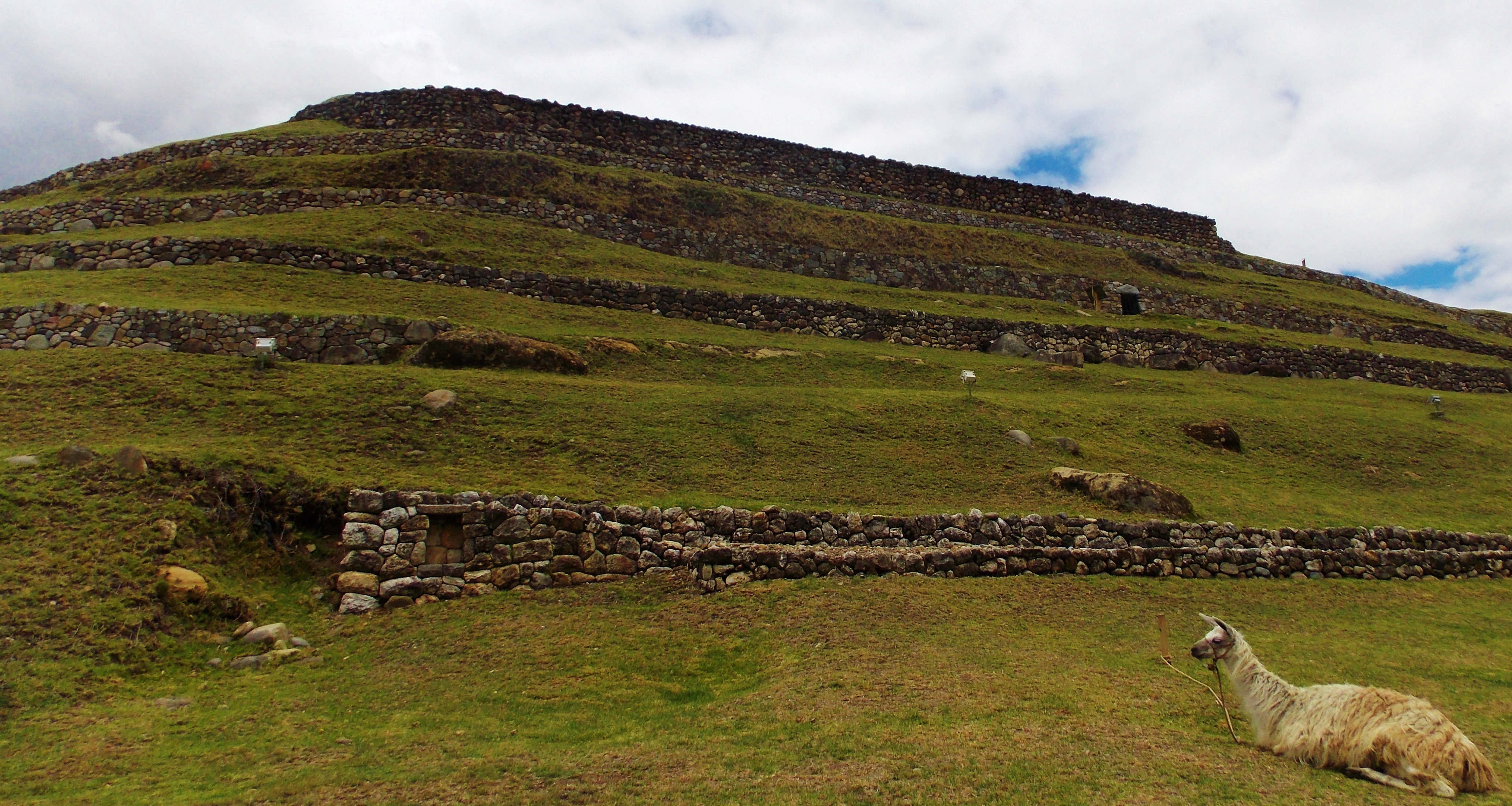
After getting a feel for the city by wandering around we decided to pop down the bank for a day out.  Not just any bank of course, this one has a free museum attached to it named creatively the ‘Museo del Banco Central’.  It houses a few exhibitions, one of which was a jumbled history of the Cañari people and their amalgamation with the Incas when they arrived.  It also houses a selection of paintings and sculptures from Ecuadorean artists as well as a whole floor dedicated to the history of Ecuadorean money.  (No mention about the fact that the US Dollar is now the main currency.)  The museum leads out to the Inca ruins of Pumapungo, “the door of the puma” in Quichuan.  They are not as impressive as the ruins we have seen before due to the fact that the Spanish dismantled most of it to use the stone to build Cuenca during colonisation but nevertheless, walking around the hillside gives you some great views.  There is also a little menagerie with a selection of fun birds in some peaceful gardens at the bottom.
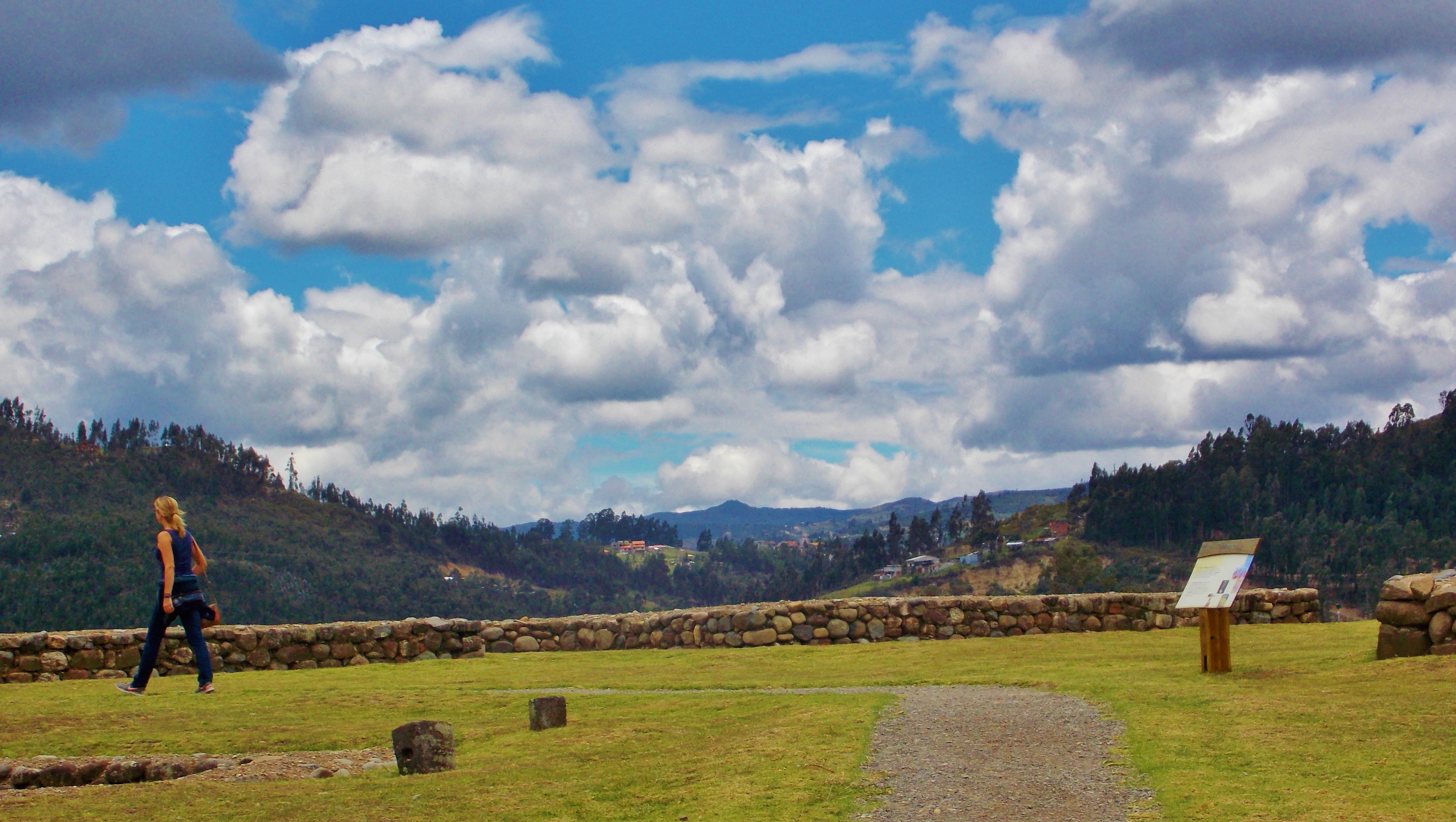
Exploring Ollie
Exploring Ollie

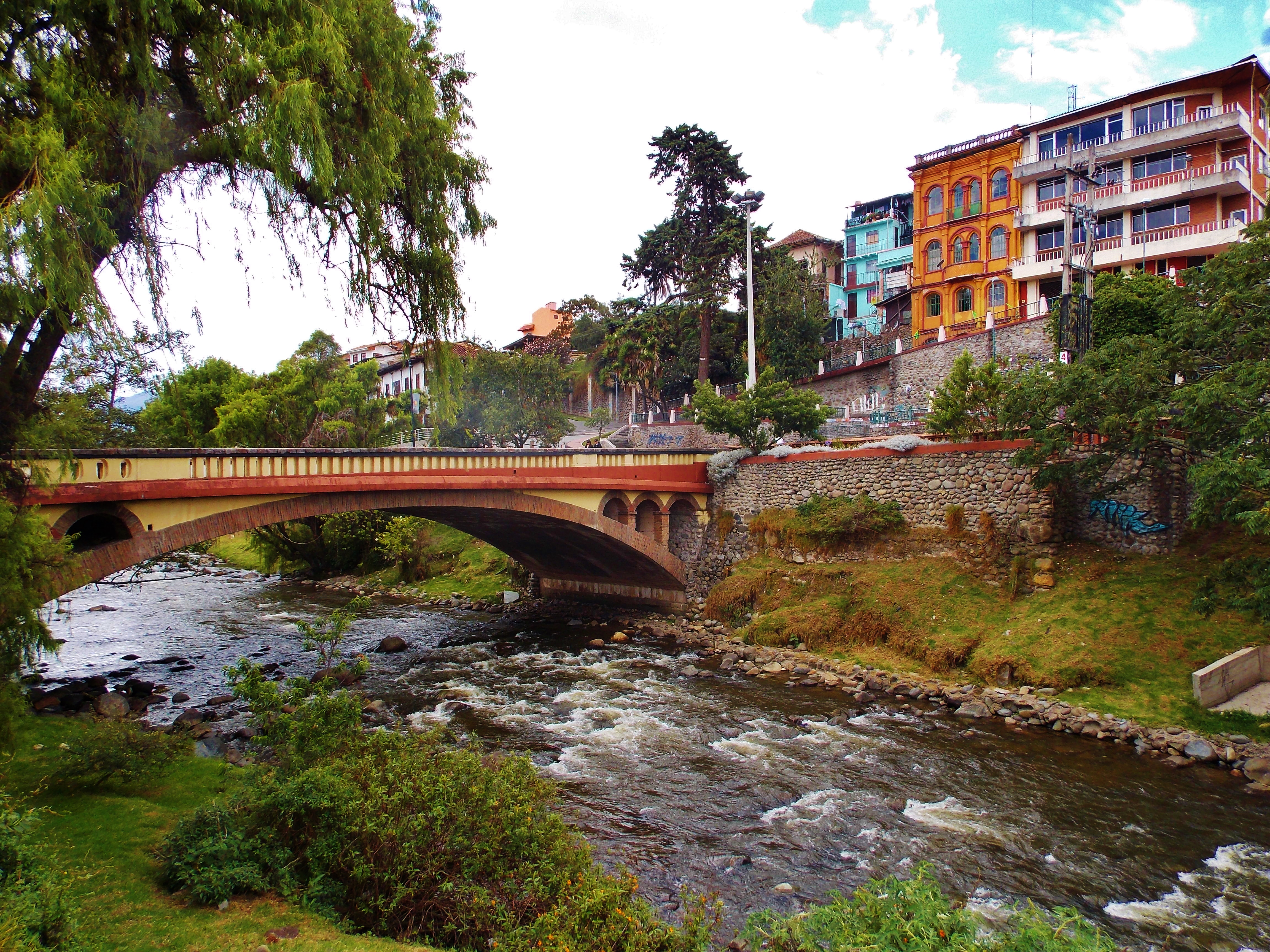
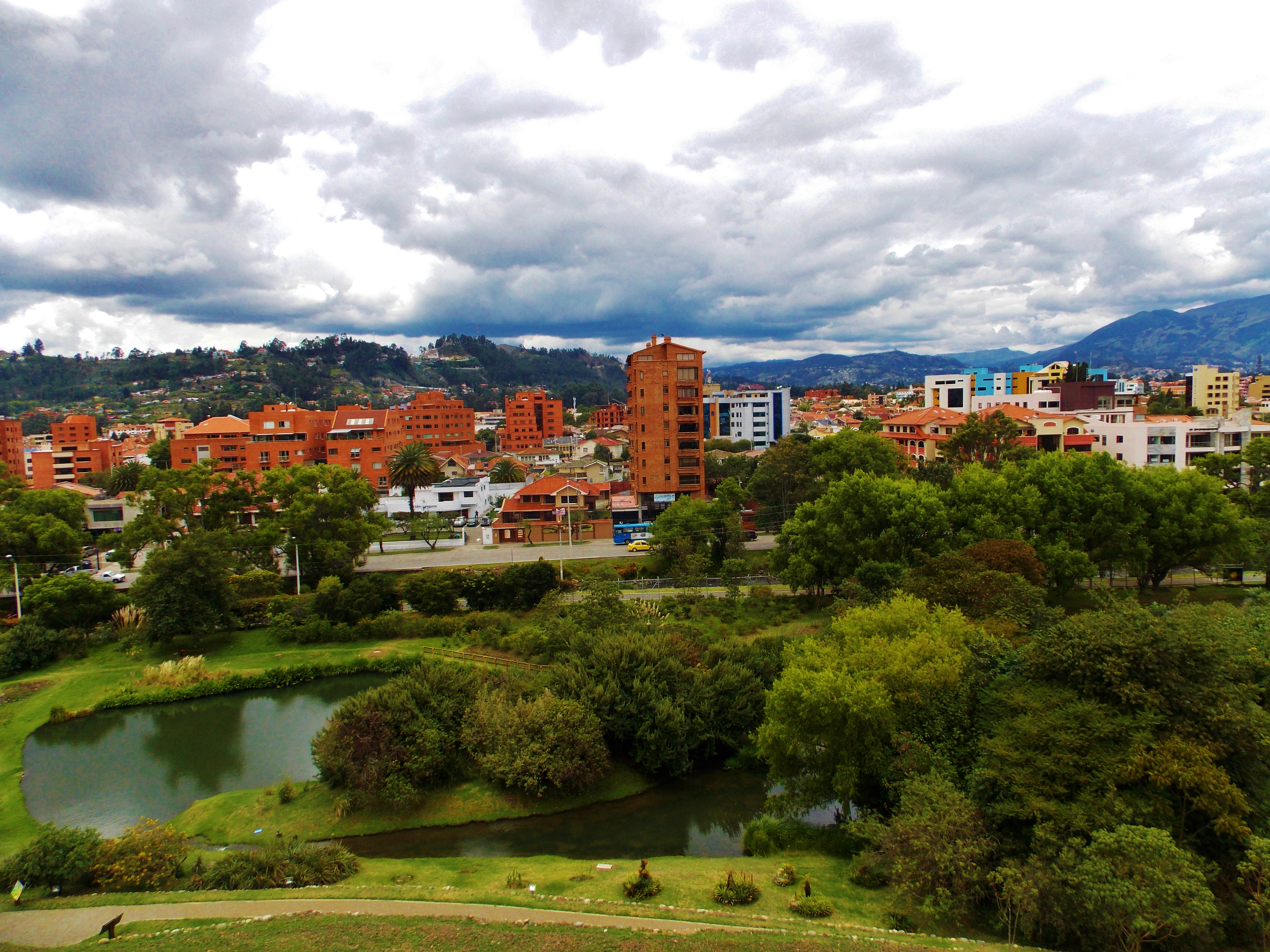
Over the river in Cuenca
Over the river in Cuenca

Pumapungo...with llama

Pumapungo…with llama

The gardens of the Bank Museum

The gardens of the Bank Museum

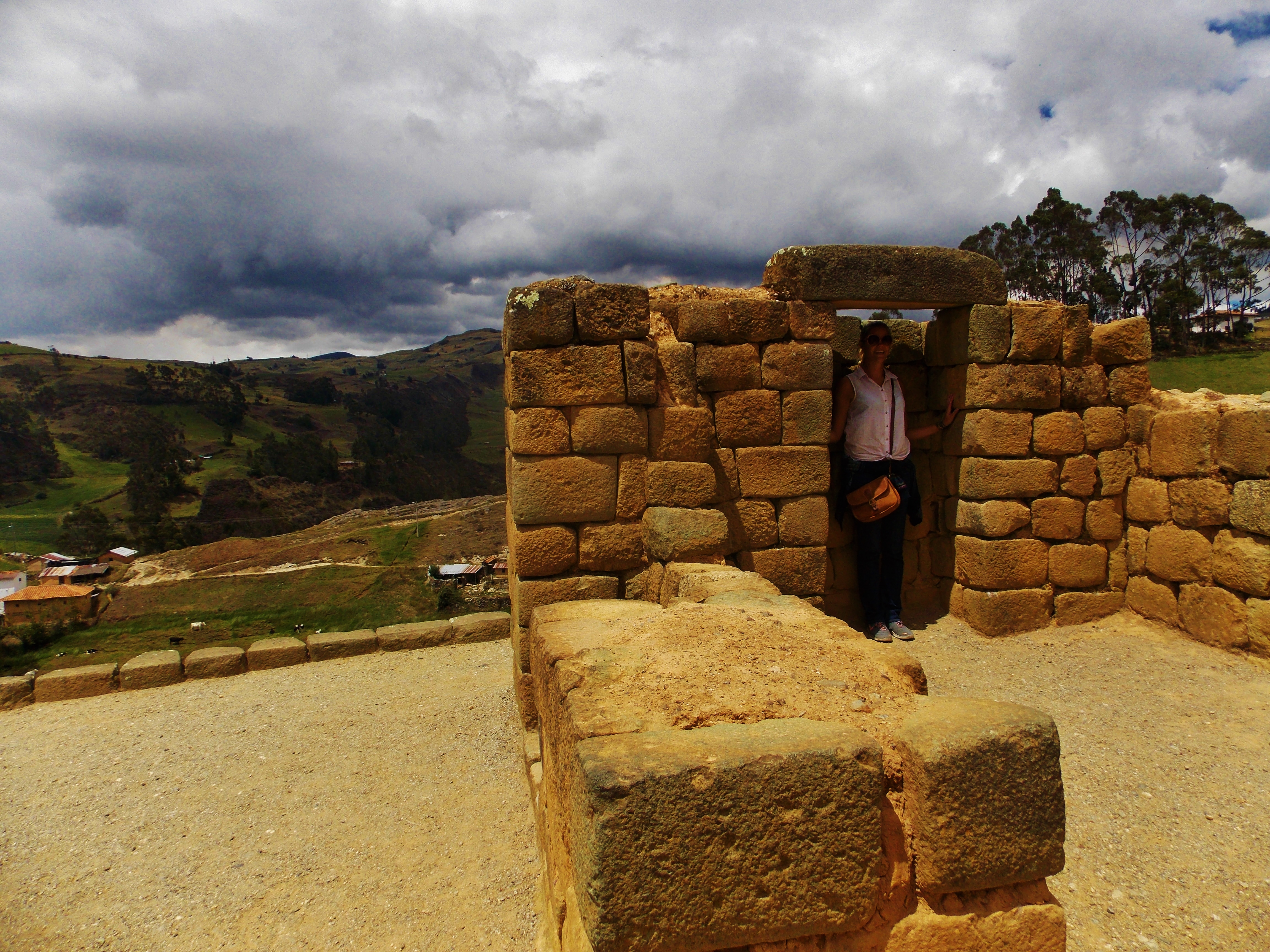
A few days later we took two buses to the town of El Tambo about 3 hours away to visit the ruins of Ingapirca, Ecuador’s main Inca ruins site which sits at 3200m up in the clouds.  A free guide helped bring the place to life for us, and explained that the site is a mix of both Inca and Cañari architecture.   The guide did not mention that the Cañari fiercely resisted the Incas for many years and would have you believe they simply came together peacefully. While the site of Ingapirca is a great example of the ‘respect’ the two cultures had for each other as shown in the architecture, with the Cañari temple of the moon on one side and the Inca temple of the sun on the other, nothing is mentioned about how the Incas slaughtered the majority of the male Cañari population on conquest, or how the Cañari allied themselves with the Spanish to defeat the Incas.  Truth or not, it’s a pretty special little place to wander around.

Ingapirca ruins
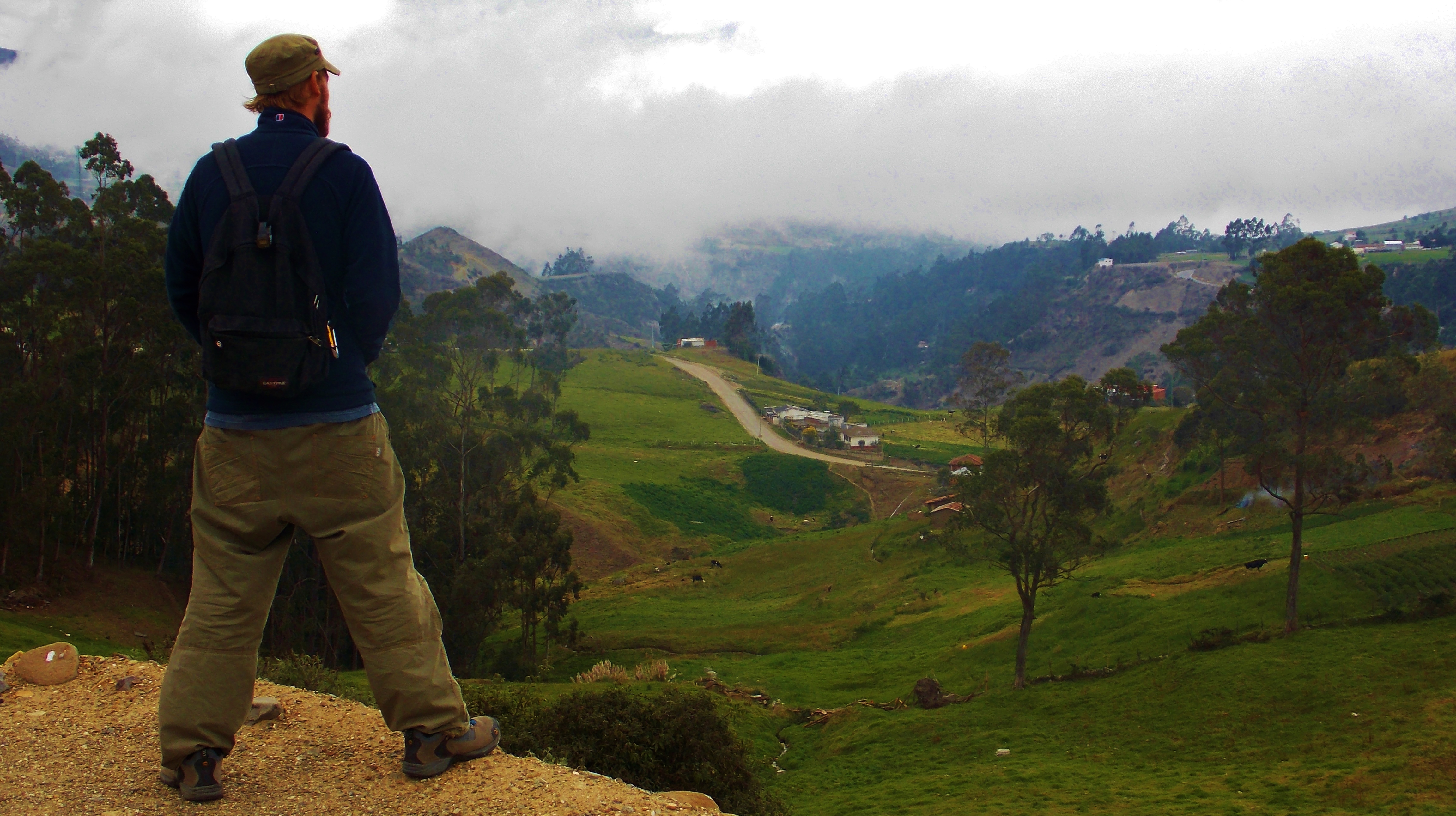
Ingapirca ruins

Not having a wee...

The sun temple of Ingapirca

The sun temple of Ingapirca

Astrological rock - The holes were filled with water so they could watch the reflection of the stars

Astrological rock – The holes were filled with water so they could watch the reflection of the stars
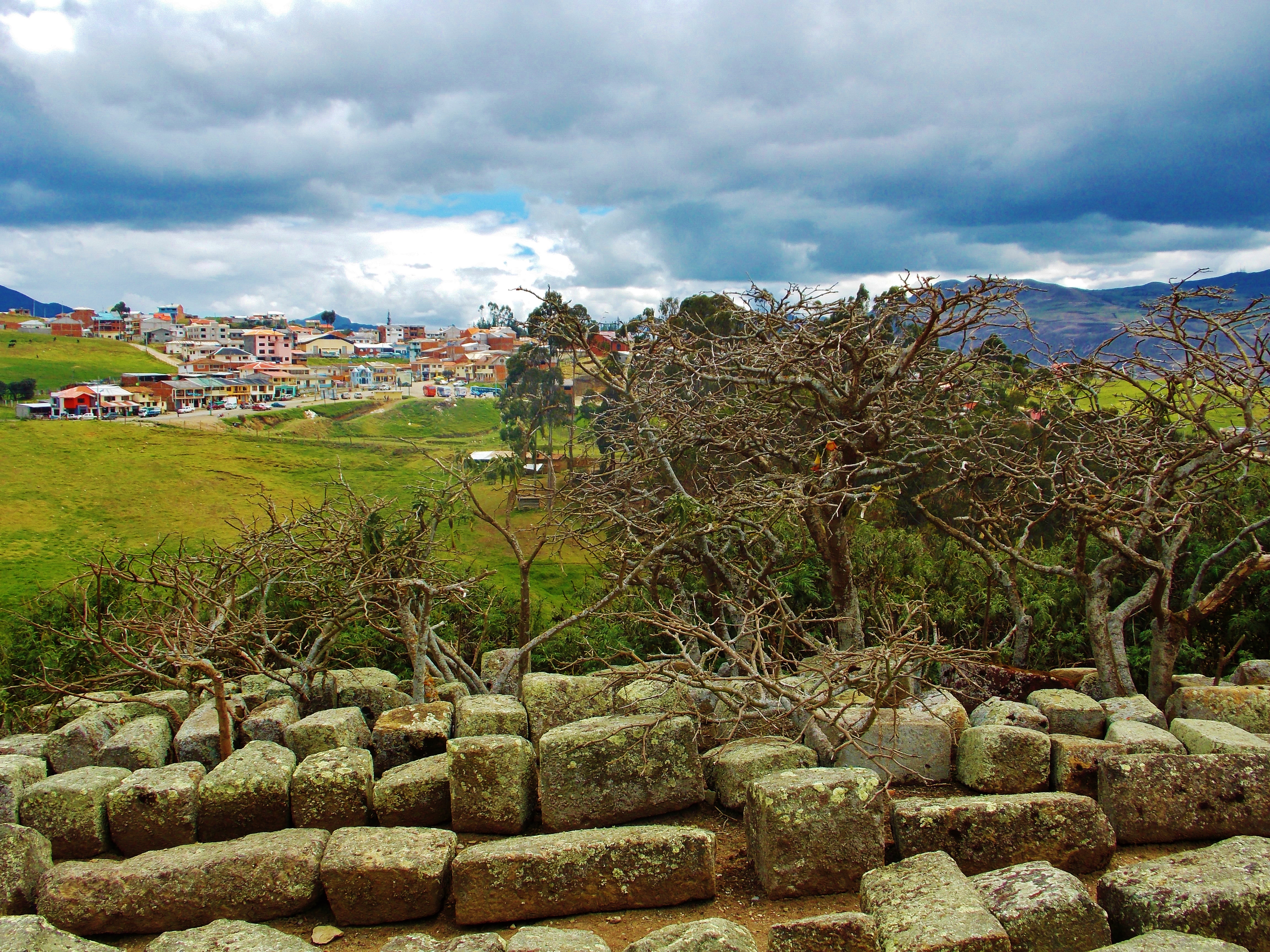
Overlooking the nearest town at Ingapirca
Overlooking the nearest town at Ingapirca

Ollie playing with Incan acoustics

Ollie playing with Incan acoustics

I’m going to talk about hats now.  This is the place for hat lovers.  More accurately, the Panama hat.  Even more accurately, the Montecristi hat.  Everyone knows what one is, but in case you don’t here’s a photo of me wearing one a few years back on our Honeymoon in Italy.  The word you’re looking for is dashing!

Panama hat wearing in the Amalfi coast in 2012

Panama hat wearing in the Amalfi coast in 2012

And just for fun, here is what I am currently looking like.  The boy band curtains were beer induced…

A fine pint at the brewhouse in Cuenca

A fine pint at the brewhouse in Cuenca

Anyway….

These hats became known as Panama hats because the Spanish shipped them back from Panama, but were actually made in Cuenca.  Posh hat shops are everywhere.  Gringos walking around wearing all kinds of expensive and fun hats is just part of the rich texture that makes up this wealthy little city.  But the hat fun doesn’t stop there!  The local women all wear these hats along with the rest of their traditional dress and braided hair.  It is a strange sight first of all, but it is so common, that after about an hour you stop double taking.  Hats are obviously very important to the people of the Andes as we noticed the further out we went.  The favorite seems to be a kind of dark green felt Trilby type hat worn as part of standard dress along with a poncho. Then there are the Cañari people who favor a sort of thin brimmed stiff white bowler hat.   I do wonder if these hat fashions were adopted after the Spanish conquest or if by some great coincidence the ‘Trilby style hat’ was created independently in both the Americas and Europe.  All very fun, but enough talk about hats.

Traditional Montecristi hat

Traditional Montecristi hat

The traditional dress is worn only by women - Men seemed to have abandoned it for modern attire.
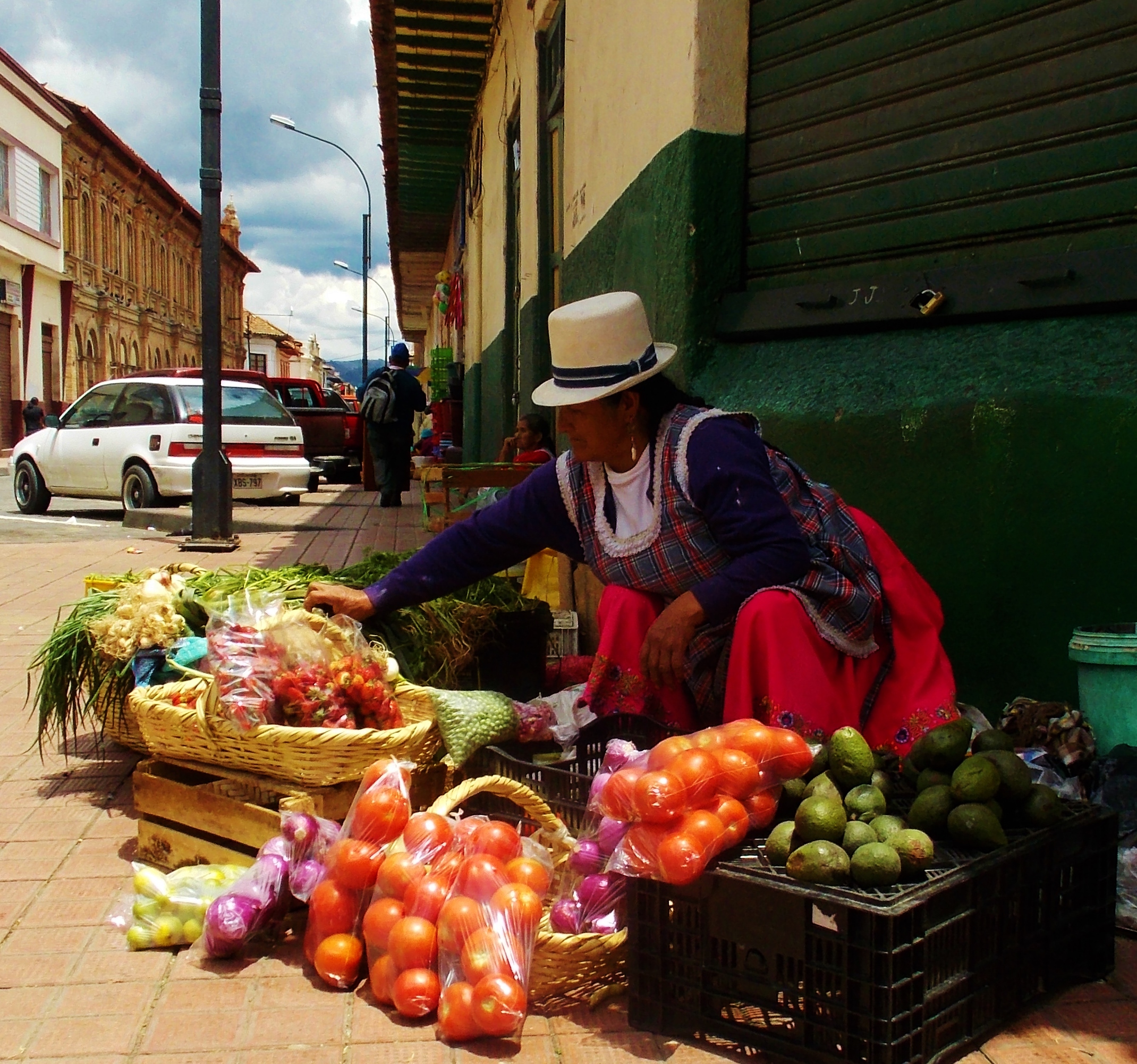
The traditional dress is worn only by women – Men seemed to have abandoned it for modern attire.

Rocking the fine hat to sell fruit and veg

Rocking the fine hat to sell fruit and veg

Traditional Canari Hats.  Photo from rochesincuenca blog

Traditional Canari Hats.

Another visit down the bank, but this time to their auditorium for a night of free music courtesy of the Cuenca Symphonic Orchestra.  I of course have no clothes suitable for an evening of culture such as this, but Ollie gladly puts on a fine dress and marches me down there.  On the way she gets squirted by an eager passenger of a passing car with some kind of foam, as they were obviously too impatient to wait for Carnival to start.  Regardless it was pleasant change of pace and enjoyable night out.
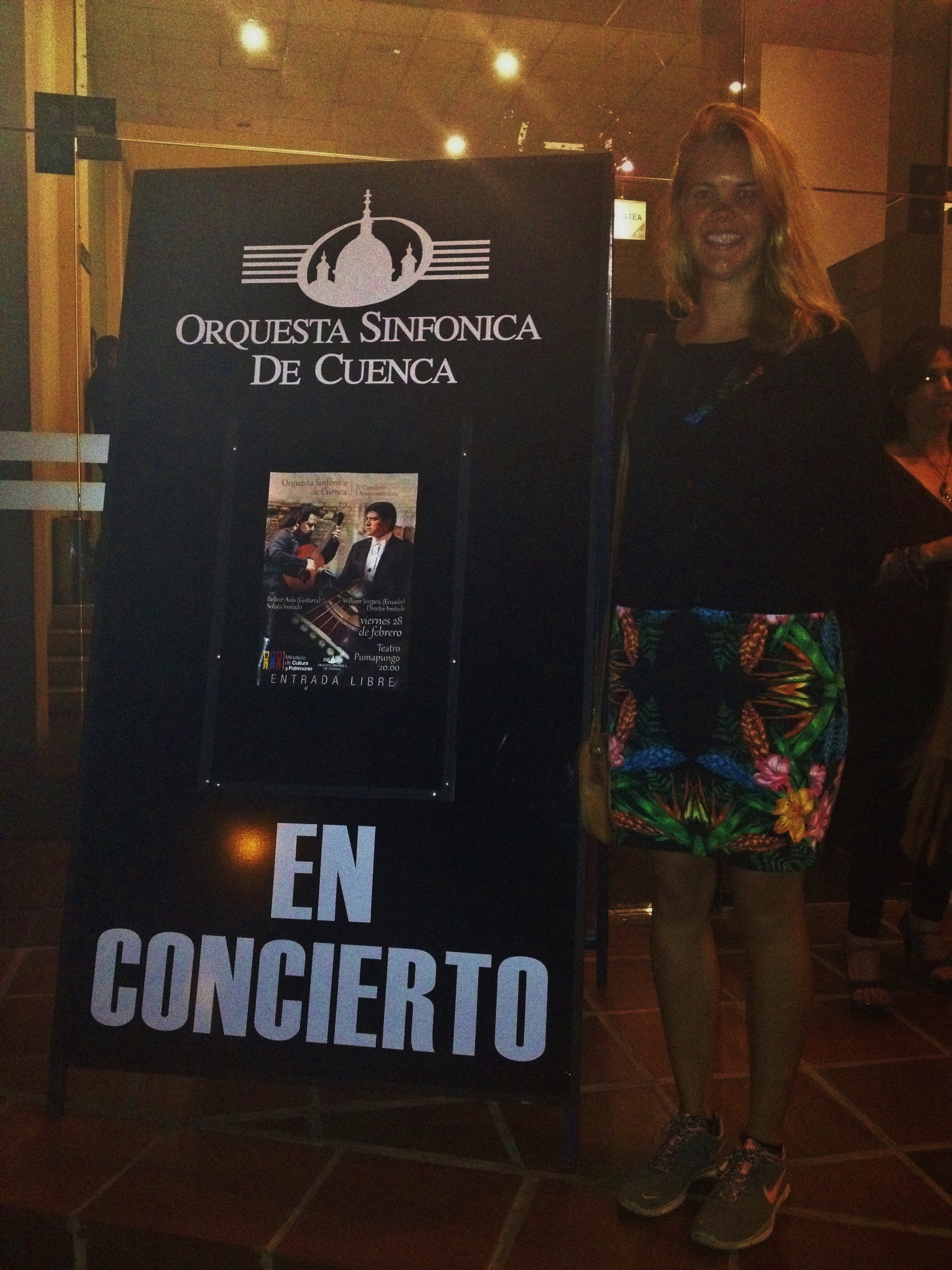
Ollie happy at being able to wear a dress

A night at the Symphony in Cuenca

A night at the Symphony in Cuenca

Carnival time!  Everything shuts down from Friday to Wednesday because it’s like a massive bank holiday.  People go mental.  Adults and children alike have a burning desire to cover each other in as much flour, water or foam as possible.  Walking the streets is dangerous, as an attack can come from anywhere.  Luckily, due to much evasive action, and turning around to go back the way we came, we didn’t ‘get it’ much. Never in a million years would it be socially acceptable to pelt a passing motorist in the face with a water bomb through an open window or pelt a stranger with flour and water from a moving truck or balcony.  All of these things would result in a swift call to the police back in Blightly…but not here.
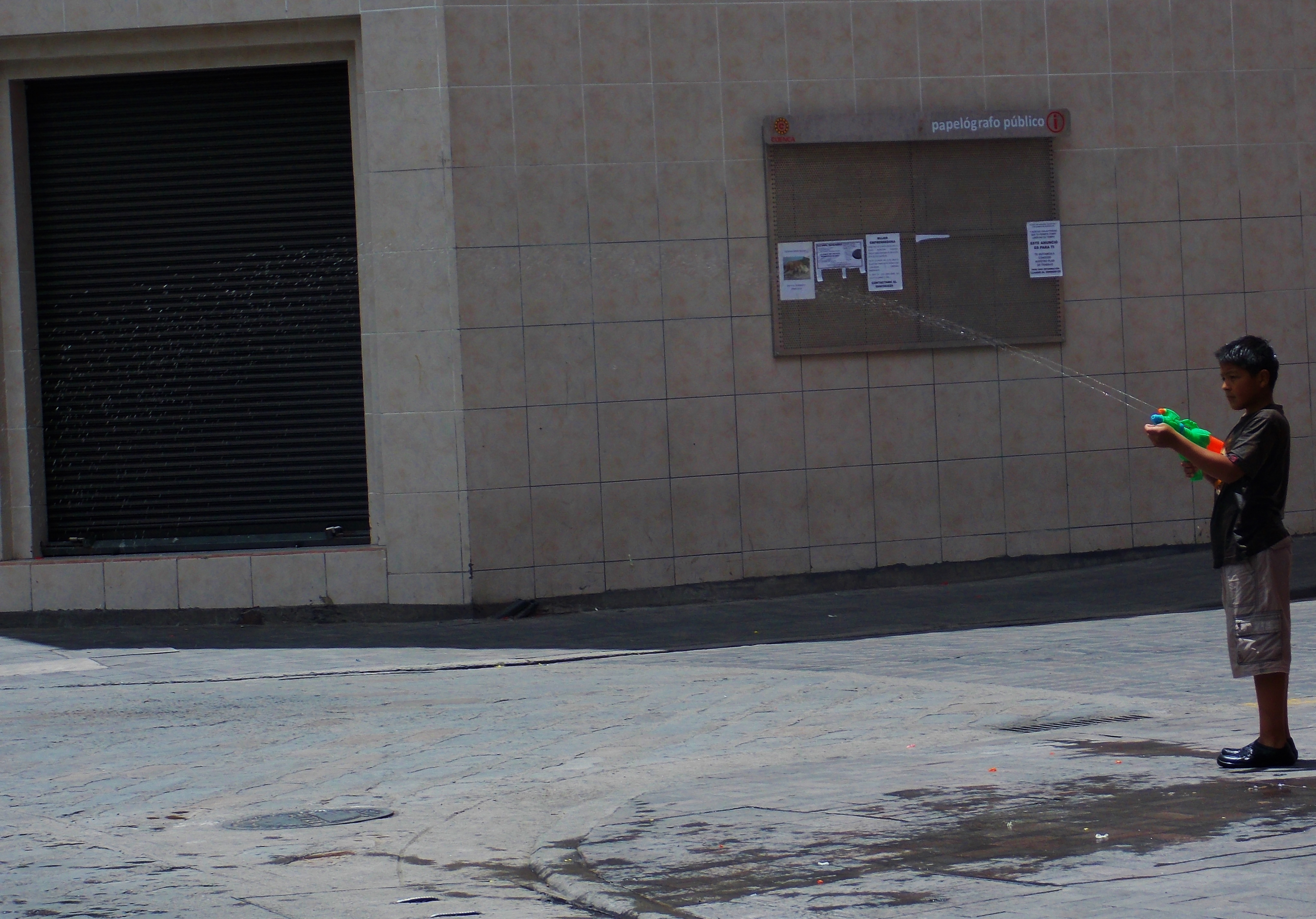
Carnival water gun fun - You understand, this is the only photo I could get.  Any of the bigger lads would have soaked me and damaged the camera!

Carnival water gun fun – You understand, this is the only photo I could get. Any of the bigger lads would have soaked me and damaged the camera!

Carnival time was a wet affair with heavy rain on both days, so the streets were not as buzzing as it would have been in Rio, but it was a great excuse for us to try the Andean delicacy of Cuy, or guinea pig to you.  Nan, if you’re reading this, I’m sorry.  I didn’t picture my fluffy childhood friends whilst eating it as when cooked they resemble nothing of their former selves.  Served with corn and potatoes in some kind of sauce, Ollie came up with the best description of taste.  “It tastes like a muscly rabbit”

Check out my selection of Cuy he seemed to say
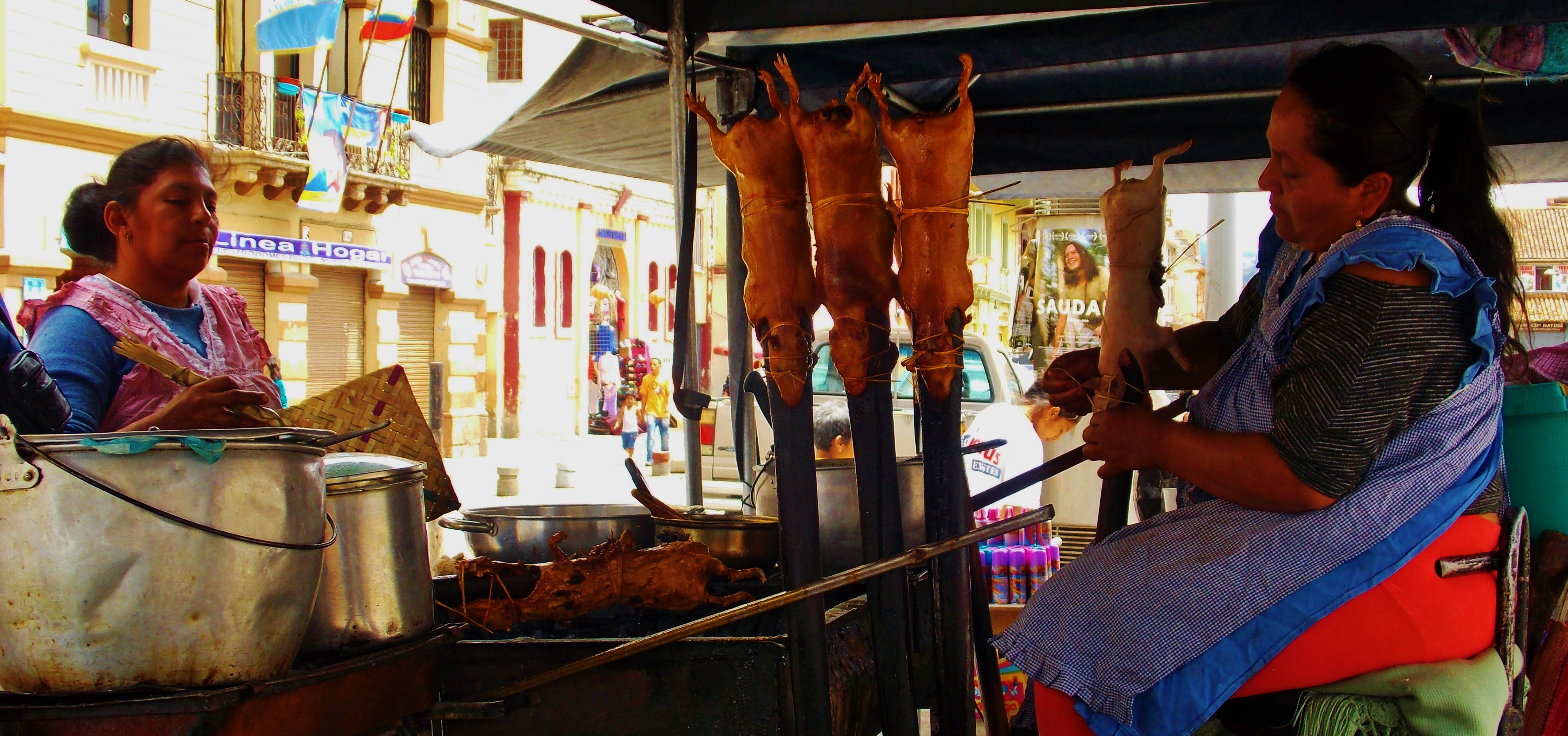
Check out my selection of Cuy he seemed to say

Preparing the Cuy
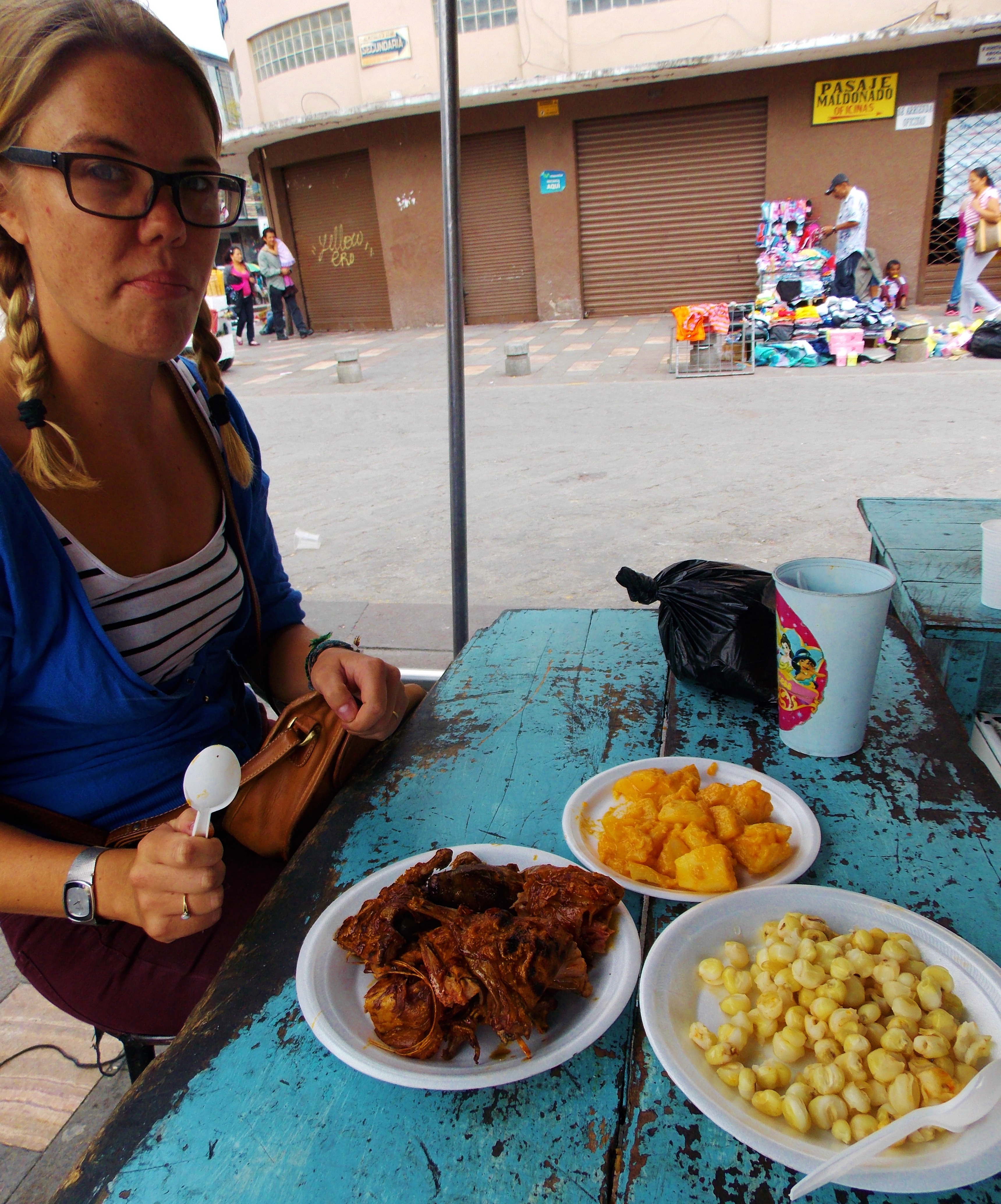
Preparing the Cuy

Not sure about it, but spoon at the ready

Not sure about it, but spoon at the ready

Again, sorry Nan

Again, sorry Nan

When we weren’t eating guinea pig we were either eating at an excellent cheapie called Moliendo, which serves up Colombian fare at a good price, or we were buying our food from of the huge markets in town.  Amazing places with almost anything you want on offer, including my particular favorite, ready peeled onions.

The meat market
The meat market

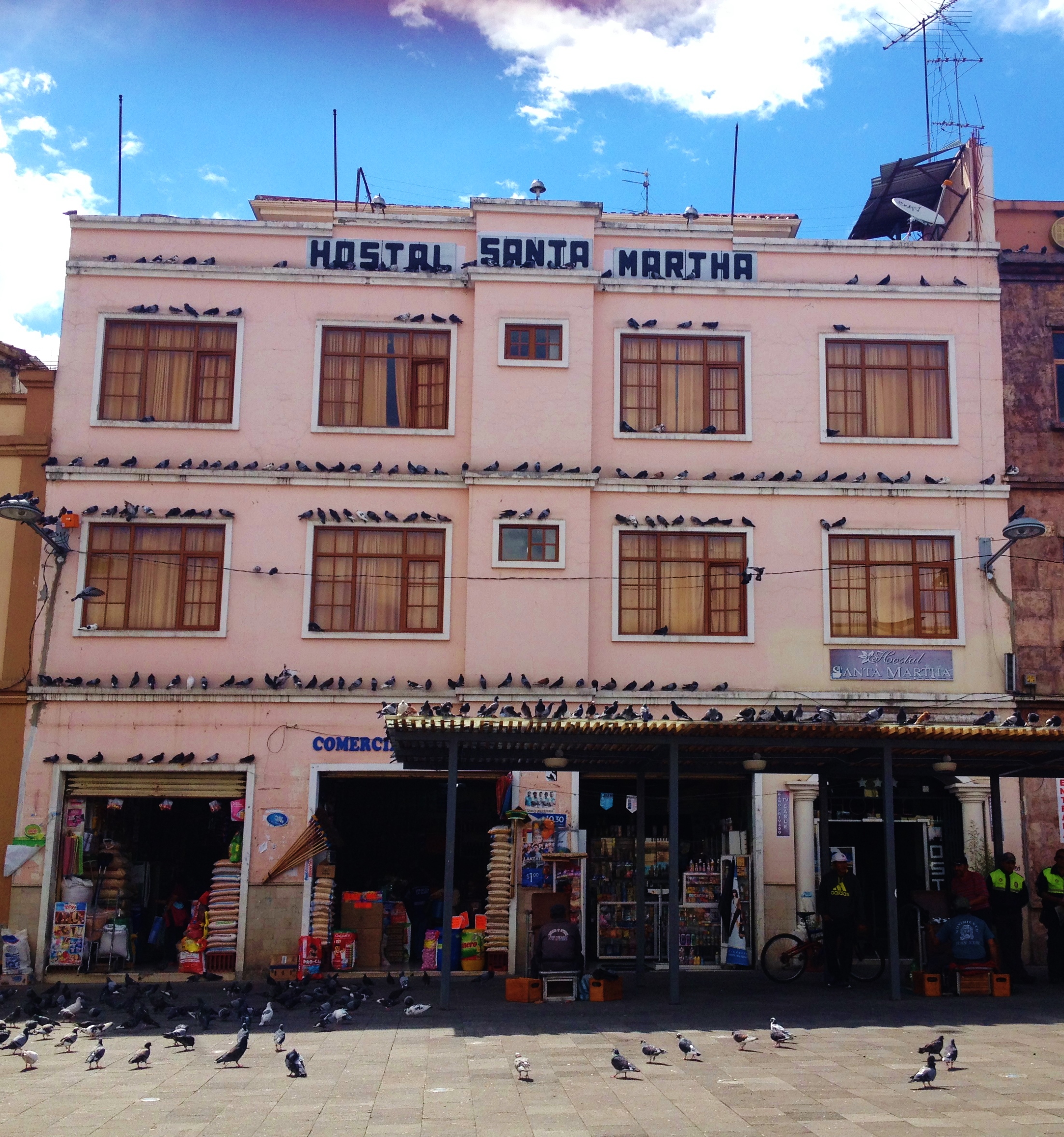
Pigeons at the PLaza Civic

Pigeons at the PLaza Civic

A bit of fruit an veg

A bit of fruit an veg

I must admit that we were not as enthused about Ecuador on most days here.  This was mainly the fact that the weather kept us in Cuenca for too long and we stopped in enjoying it.  If anyone wants to go hiking in the Cajas, and not pay big money for a guide, here is a great website with details on trails called The Free Air.  May I also suggest that you get some maps from the IGM offices in Quito (open Mon-Fri only) before you come as the tourist office in Cuenca only had one that we had to photograph.  A combination of circumstances out of our control (noisy Americans) also meant we stayed in three separate hostels.  The third one being our recommendation of choice, Hostel Hogar Cuencana.
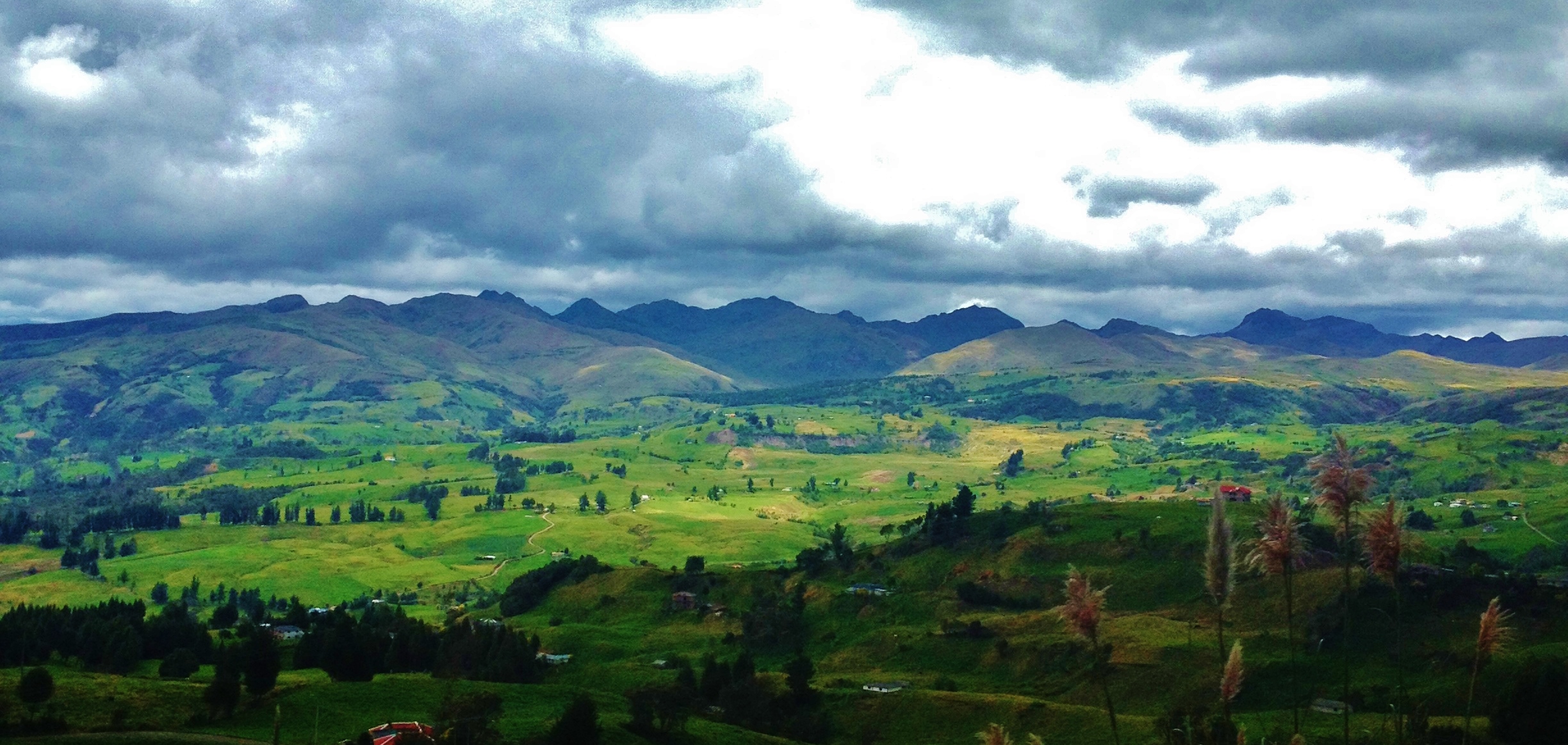
Some Andean scenery on the way to Alausi

Some Andean scenery on the way to Alausi

The day came when we managed to get out of the city.  We headed for the town of (San Pedro de) Alausí in the Chimborazo province. At 2340m, Alausí sits above the Río Chanchán gorge and presided over by a giant statue of San Pedro.  The main reason for coming here of course is to take the Nariz del Diablo train ride to Sibambe and back.  The bus from Cuenca to Alausí took four hours, going the same way we went to Ingapirca through Cañar province.  This is one of the most spectacular drives you can take for scenery.  The Andean landscape is quite literally and figuratively breathtaking the whole way.  Dropped at the side of the Panamericana 4 hours later we wandered the 1km downhill into the town, straight into the last day of carnival festivities.  After finding reasonable lodgings for $20 a night at San Pedro Hostel, we ventured out and finally tried the roast pig and potatoes we have seen so often so far in Ecuador.  While we ate at the side of the road, the entire town was out covered in paint and drenched in water from the day’s festivities.  Survival instinct kicked in again and we retreated to our hotel without getting soaked.

Arriving at Alausí - Ollie keeps taking these cheeky snaps

Arriving at Alausí – Ollie keeps taking these cheeky snaps
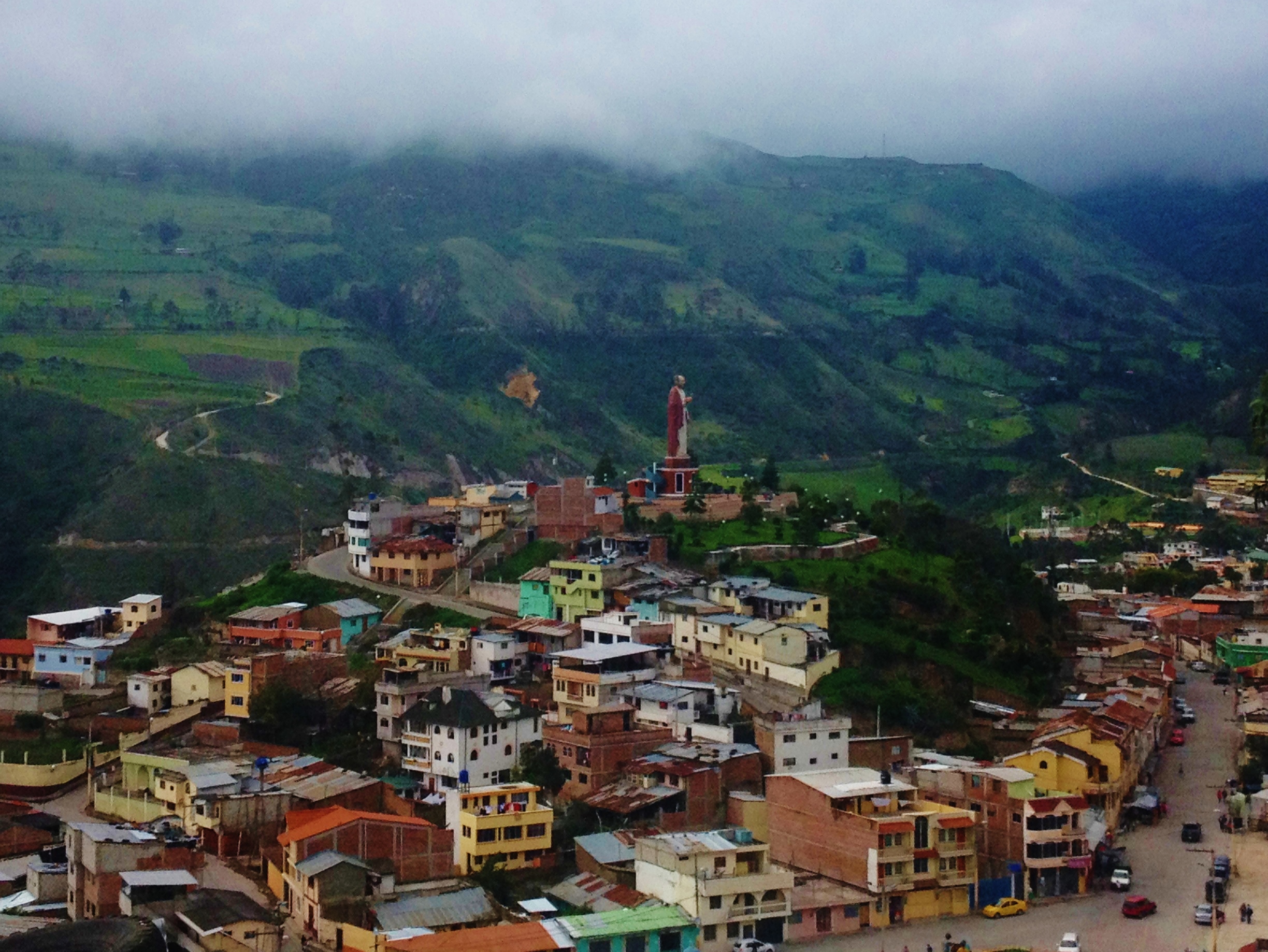
Views of the statue of San Pedro over Alausí

Views of the statue of San Pedro over Alausí

Roast pig courtesy of jammin.jux.com

Streets of Alausí

Streets of Alausí

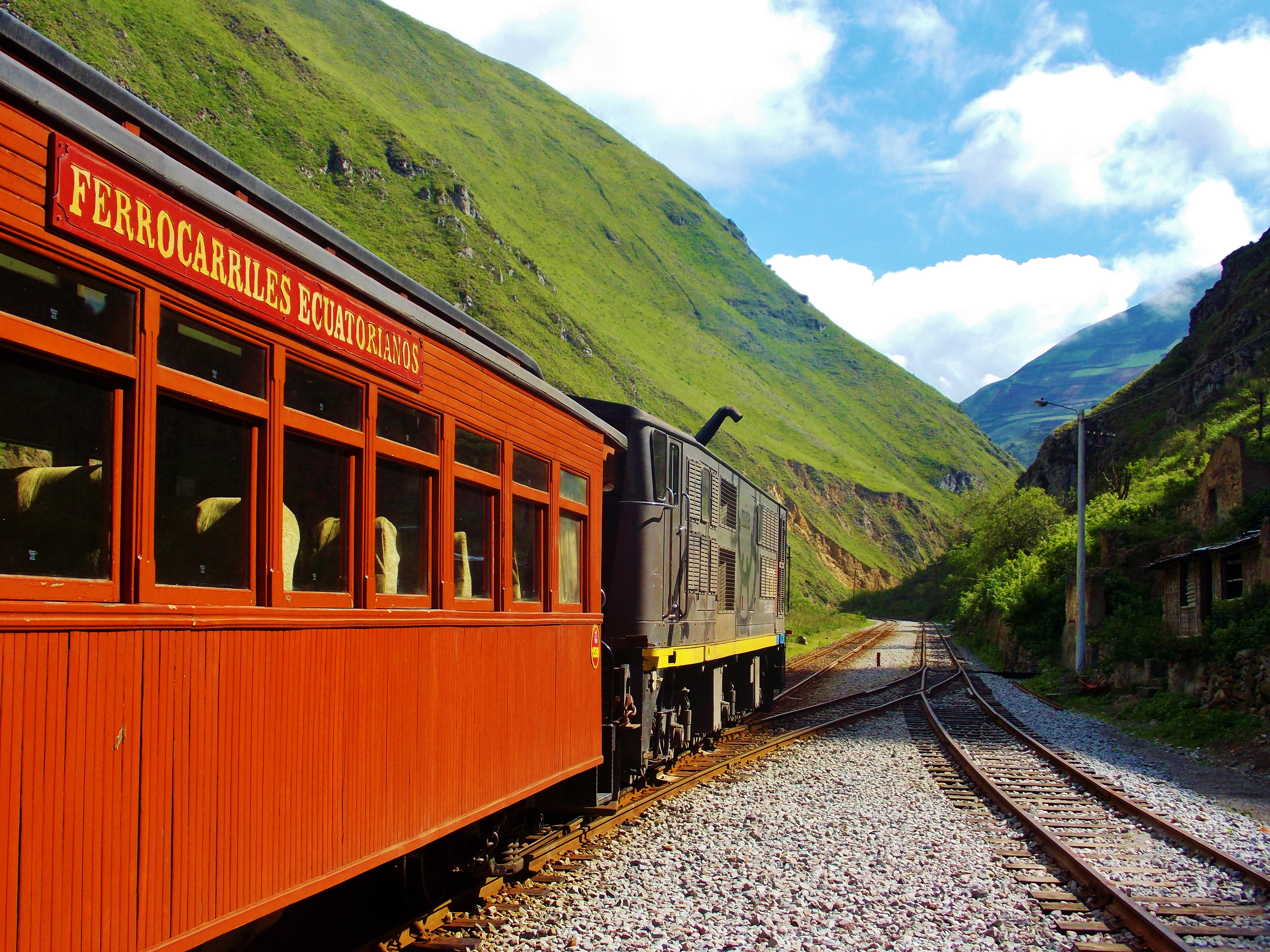
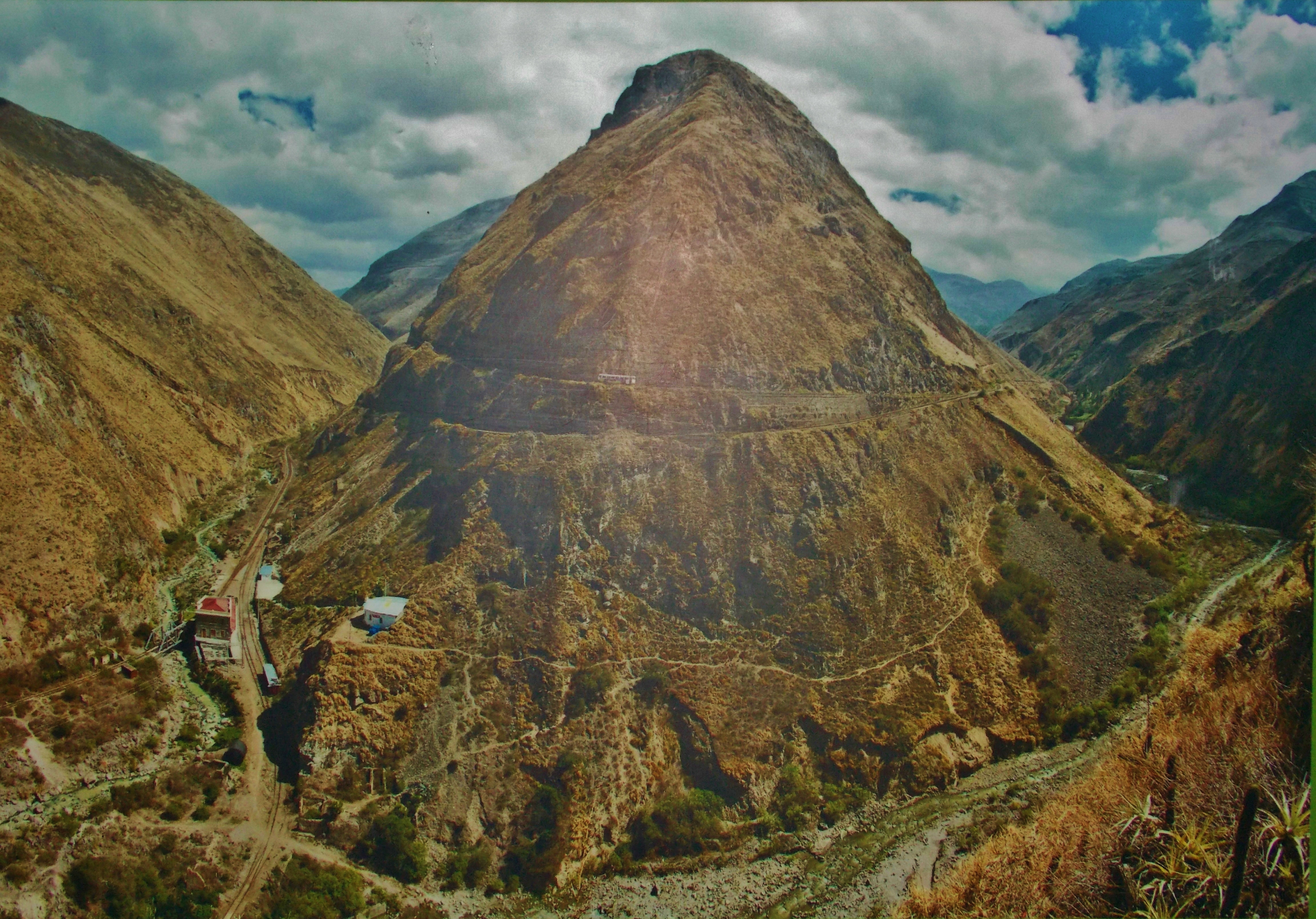
Up at 7am, we booked our tickets ($25 each) for the 8 o’clock ride on the Trans Andean section of rail that slips down one side of the mountain nicknamed the Devil’s Nose by construction workers.   The ingenious three-way switchback system means that instead of having to circle round the mountain, it zig-zags three times and descends down to the town of Sibambe below and onward to Guayaquil.  The rail system was constructed after years of planning between 1899 and 1908, and after claiming the lives of 2500 workers (a mixture of indigenous people and slaves purchased from the Caribbean) if was complete and earned its name; the Devil’s Nose or Nariz del Diablo.

Train shot
Train shot

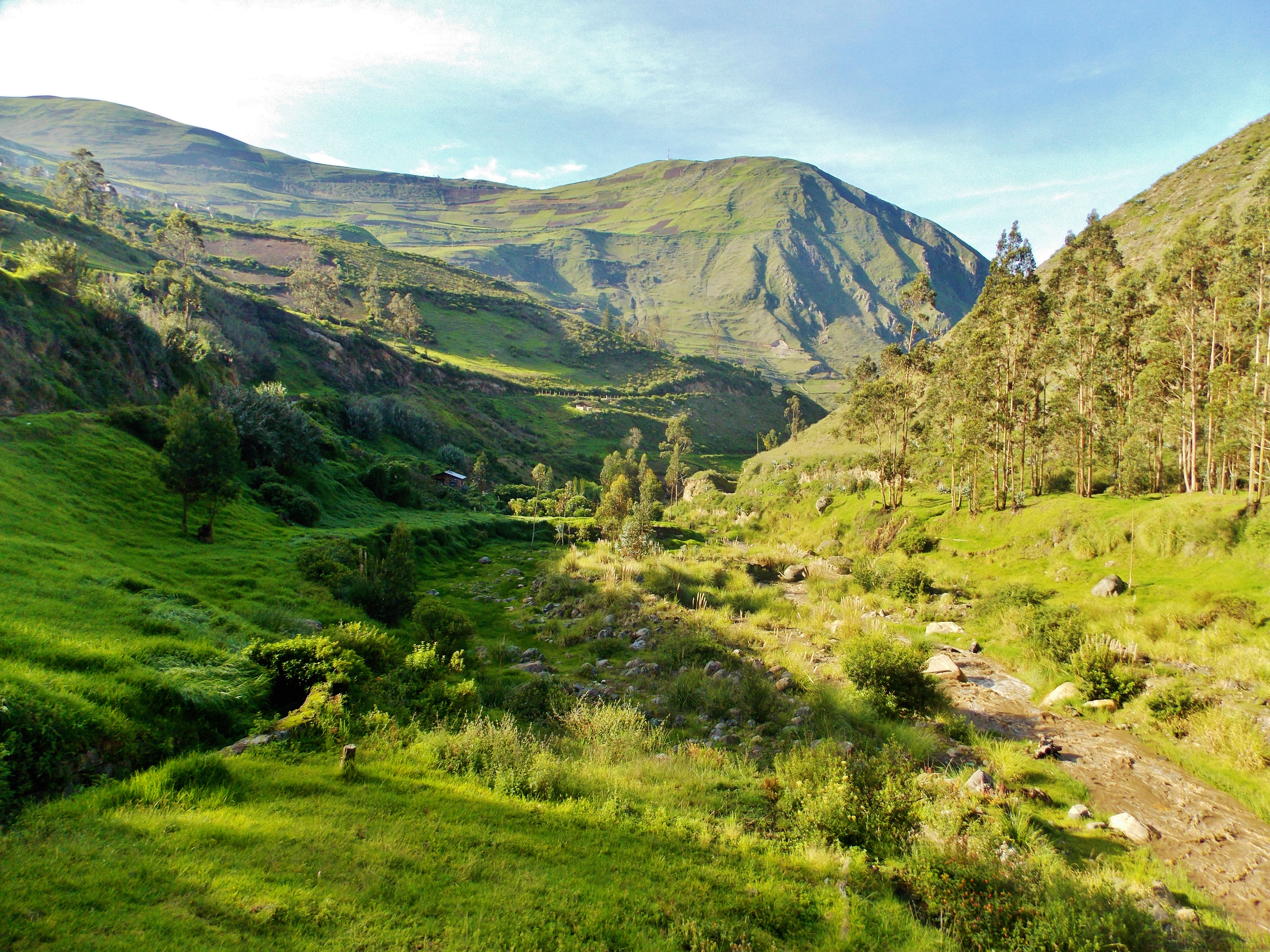
One of the MANY shots of greenery taken on the journey

One of the MANY shots of greenery taken on the journey

Top views the whole way

Top views the whole way

Another amazing view on the way

Deep concentration on the natural beauty
Deep concentration on the natural beauty

Nariz del Diablo - I clearly didn't take this photo, but it's a good'n

Nariz del Diablo – I clearly didn’t take this photo, but it’s a good’n

The ride is not like is used to reportedly be.  It seems since the death of two Japanese tourists in 2007 (who were riding on the roof), they have made it much safer and much more tourist friendly.  Although not a thrill-seeking ride anymore, it is by far one of the most beautiful train journeys you will ever take.  The ride takes you down the valley to the now deserted town of Sibambe (due to rains and landslides caused by El Niño), while you and all the other gringos take about 100 pictures of the surrounding scenery.  It’s all very pleasant, and when you get to the bottom, you can take a photo with a cowboy or a llama, or both.  Then there is a bit of a cringey dance performance by the staff dressed in traditional clothing, followed by a trip up to a small ex-church now serving as museum of sorts.  After a free coffee, you’re going back up the switchback the other way, this time just to enjoy the views.  All the pageantry aside, it really is a must do.
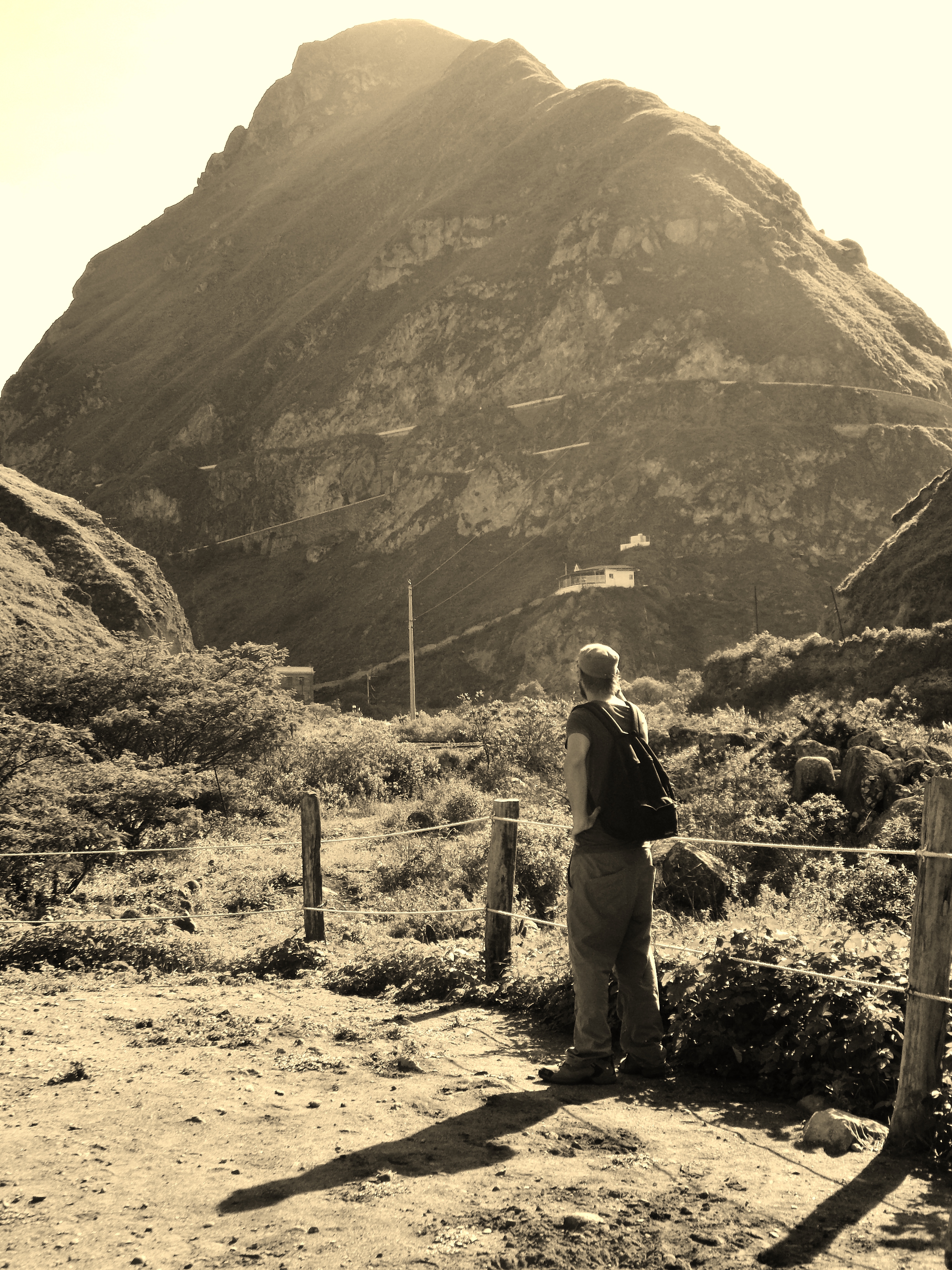
Another sneaky shot in front of the nariz del diablo
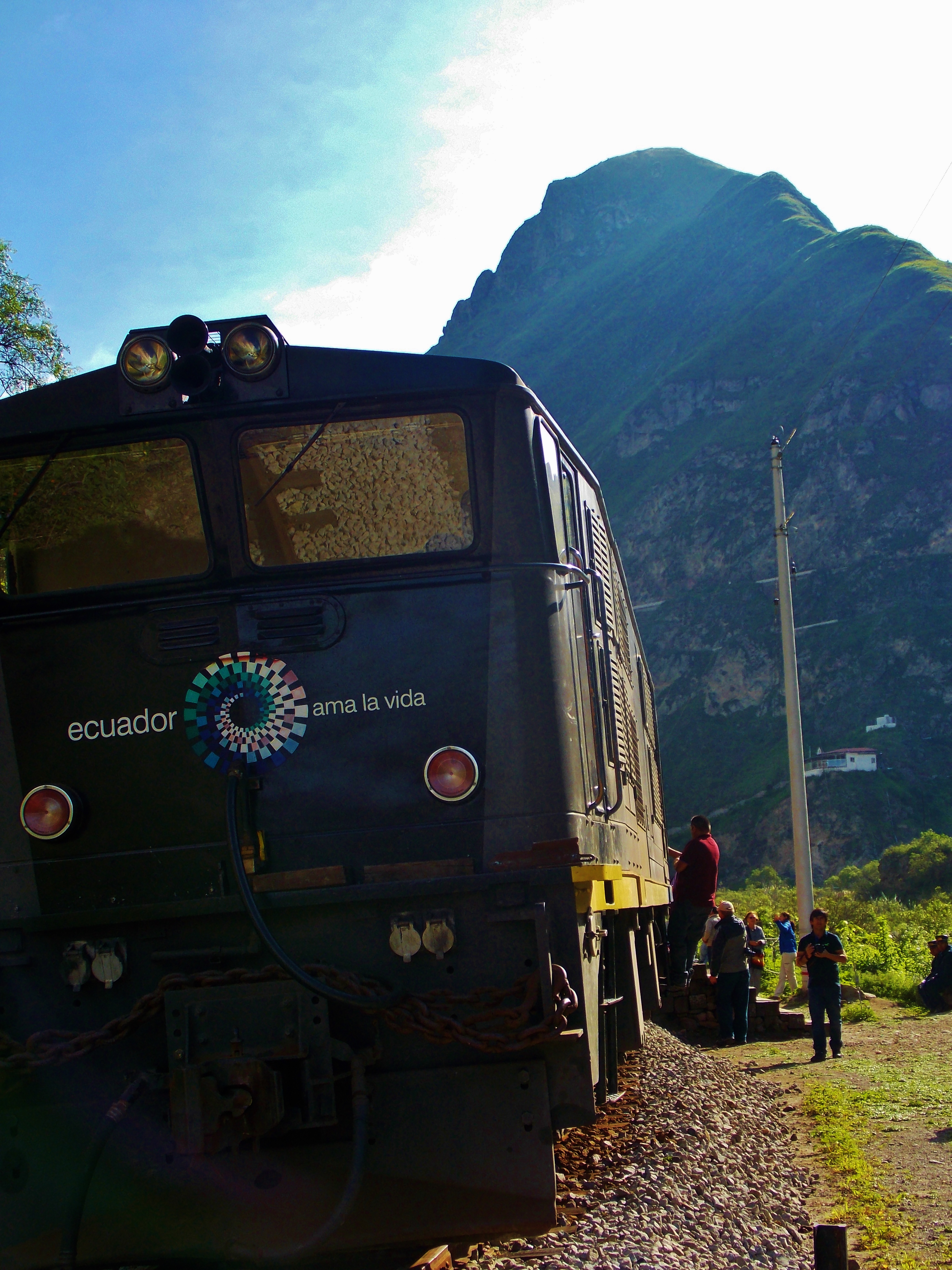
Another sneaky shot in front of the nariz del diablo

In front ofthe Nariz del Diablo

Train pose!

Switchback sign on the Nariz del Diablo

The rails from Sibambe

The rails from Sibambe

The section of the railway onwards to Riobamba has recently been refurbished, as part of a project to restart train journeys throughout the country. The stretch of road from Riobamba to Alausí runs almost parallel at times to the track, and I would imagine that this would be an incredible ride for anyone who has the opportunity.  The bus journey was spectacular enough!

Whiling away the time in Cuenca, we admitted to each other that we are missing Mexico and Central America.  Spending four months there, we became quite attached, and even though the countries themselves are quite different, there was still a ‘rhythm’ that ran through daily life, which we think we had a grip on, enough at least to get by as gringos.  Ecuador, is our first stop south of the Darien and it seems to be a much easier and more accessible for the traveler.  We miss the unpredictable nature of an El Salvadoran bus journey, and the diversity of food on offer at the side of any street in Mexico along with the brightly dressed Mayan space cowboys who wield machetes everywhere they go in Guatemala.  We also miss the 30 degree heat of Nicaragua! There is just a different feel to life here.  It seems much more relaxed, and yes, safer.  I guess this is why it is more popular with the backpacker gap year kids.  The more we move though, the more we see the beauty of this country and now look forward to our next stops.  We just wish the weather would sort itself out a bit!

A big one this time, so if you’ve got this far, thanks for reading.  Check out the full galleries for both for more snaps.


7 Comments

Quito – The dizzying heights of our first stop in South America

Plaza Santa Domingo of Quito

Plaza Santa Domingo of Quito

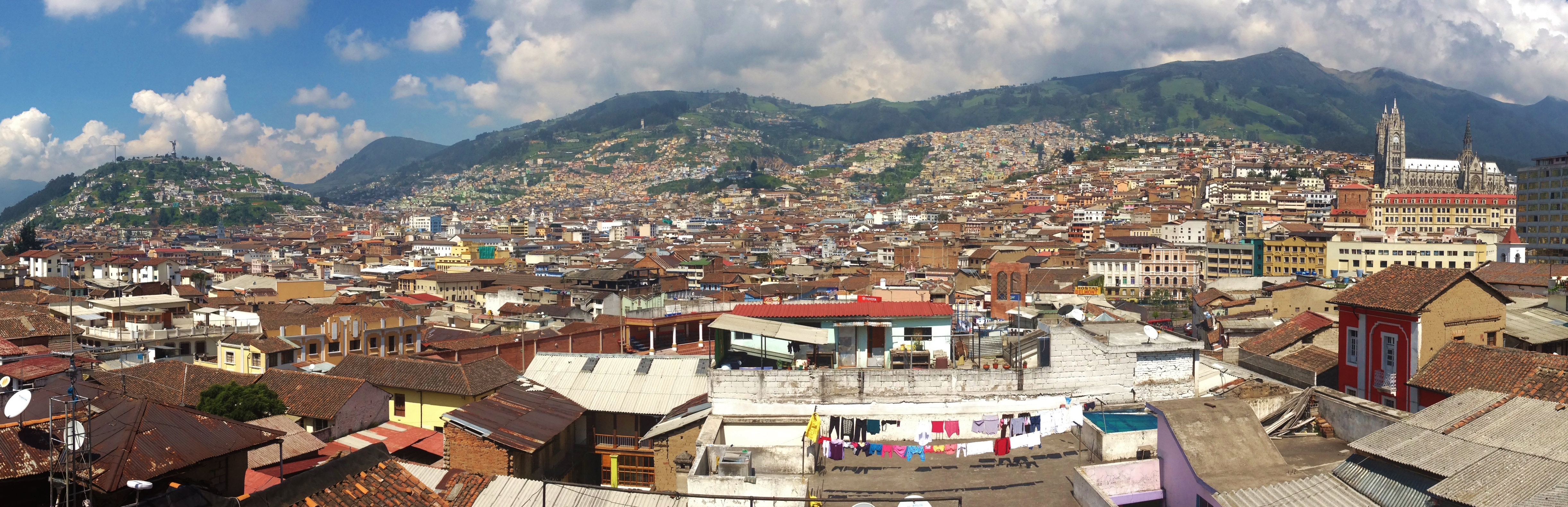
Quito, the capital city of Ecuador, is our first stop in South America.  It is the second highest capital city in the world, which is to say the highest I have ever been in my life at 2850m.  As previously mentioned in my last post, we stayed at the Secret Garden hostel, which is located in the San Blas area of the Old Town/Centro Historico.  Price was a little steep at $32 a night with tax for a private room, but the bed was comfy, the room cosy (if a bit noisy) and the view of the old town, breathtaking.  The old town is a UNESCO world heritage site and is set in what looks like a huge valley, in the shadow of the 4794m peak of Volcan Pichincha.  The city is huge and sprawls to an area of 324km².

Panorama of Quito Old town from Secret Garden terrace.  Panecillo on the left all th way to the Basilica on the right

Panorama of Quito Old town from Secret Garden terrace. Panecillo on the left all th way to the Basilica on the right

San  Blas - Street where we stayed in the Old Town

San Blas – Street where we stayed in the Old Town

Just want the gallery? Click here.

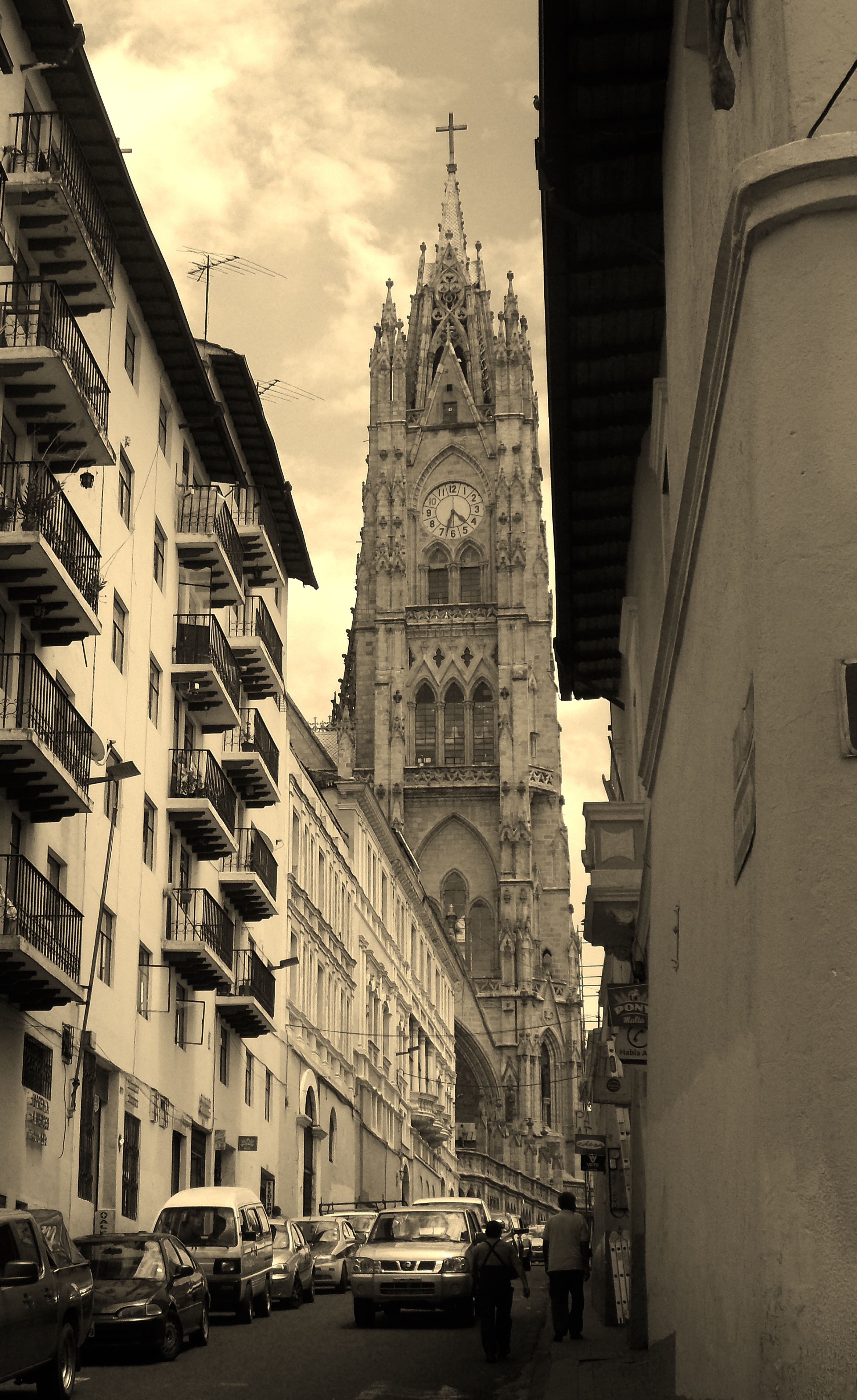
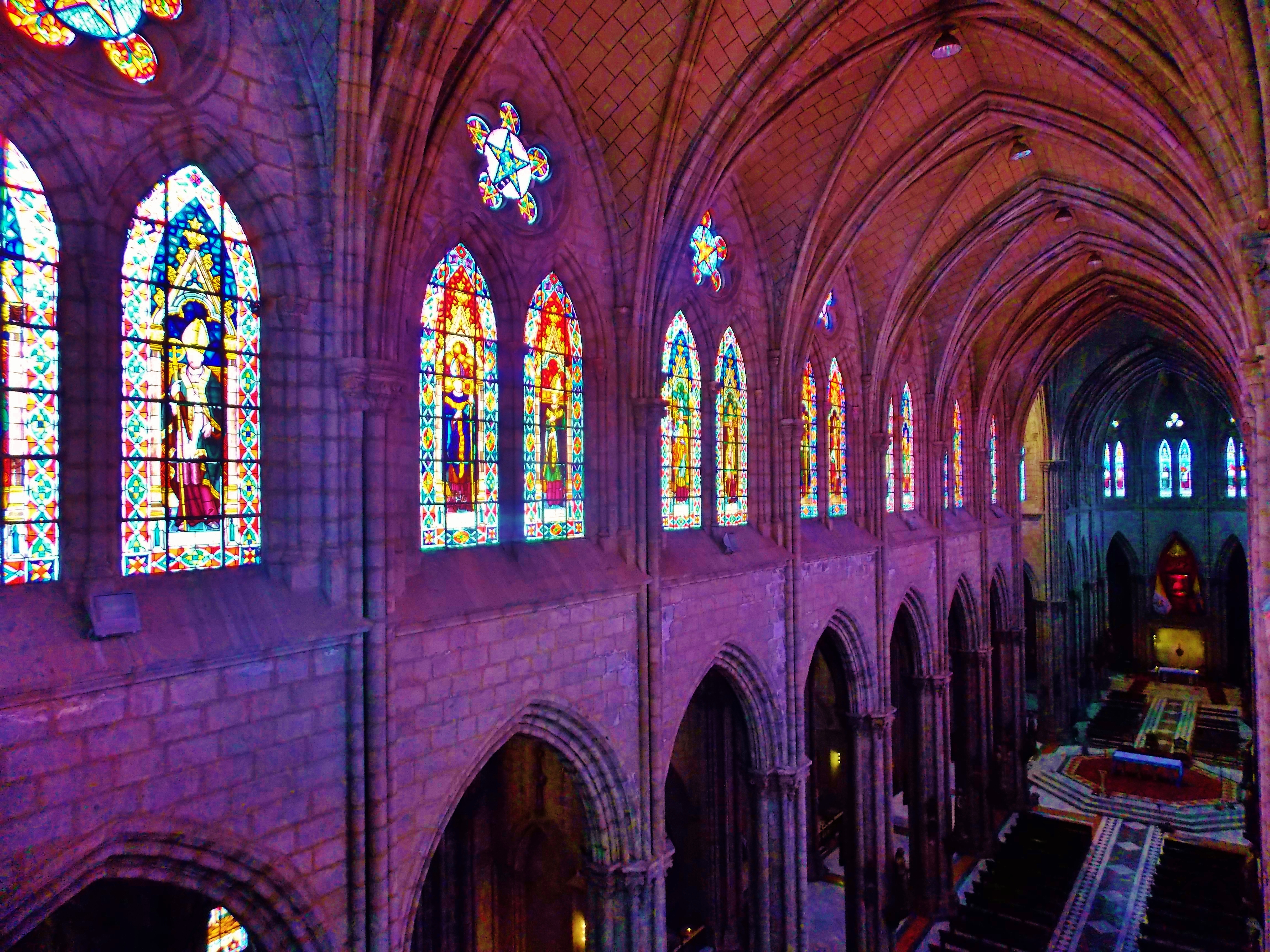
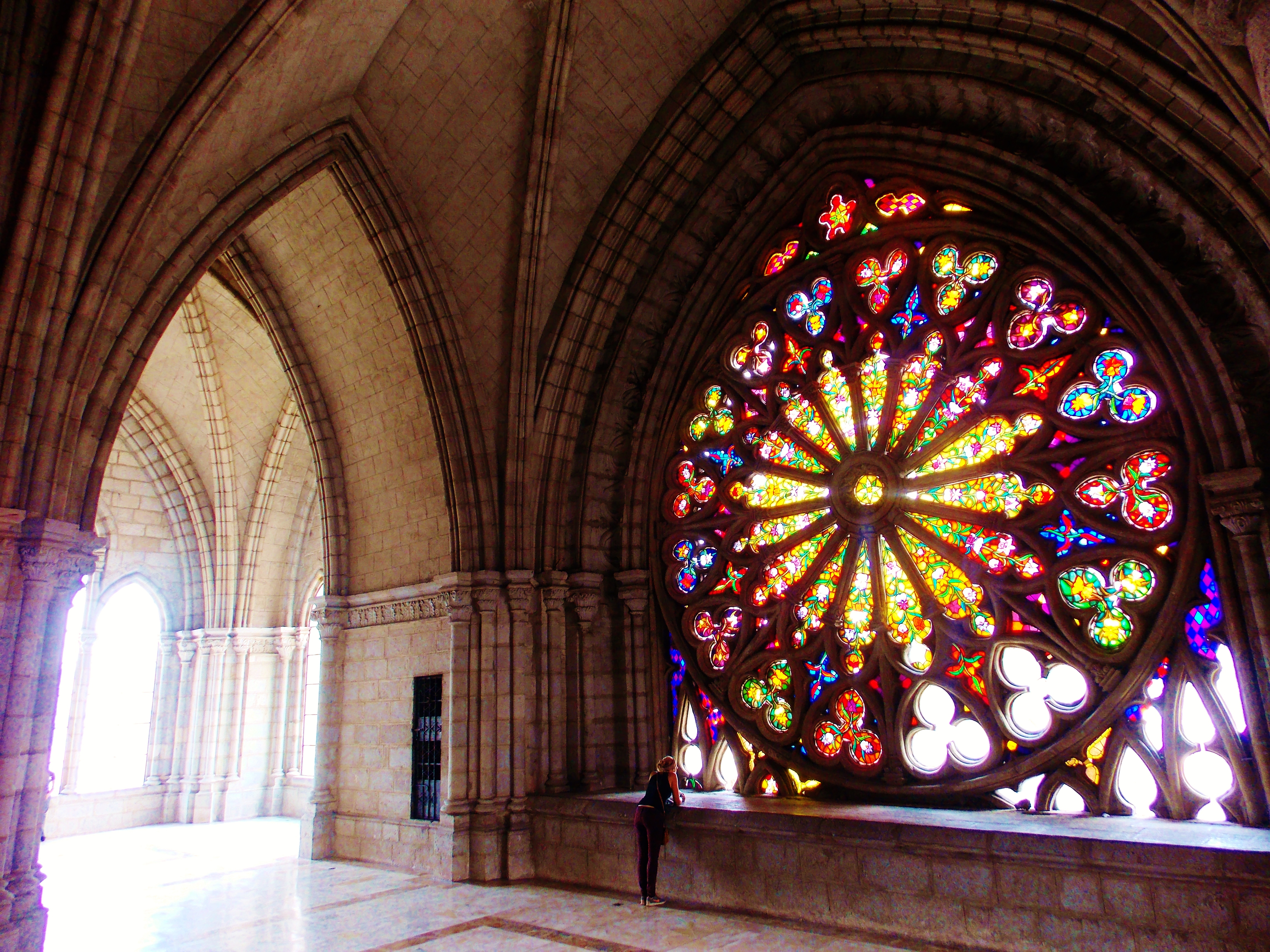
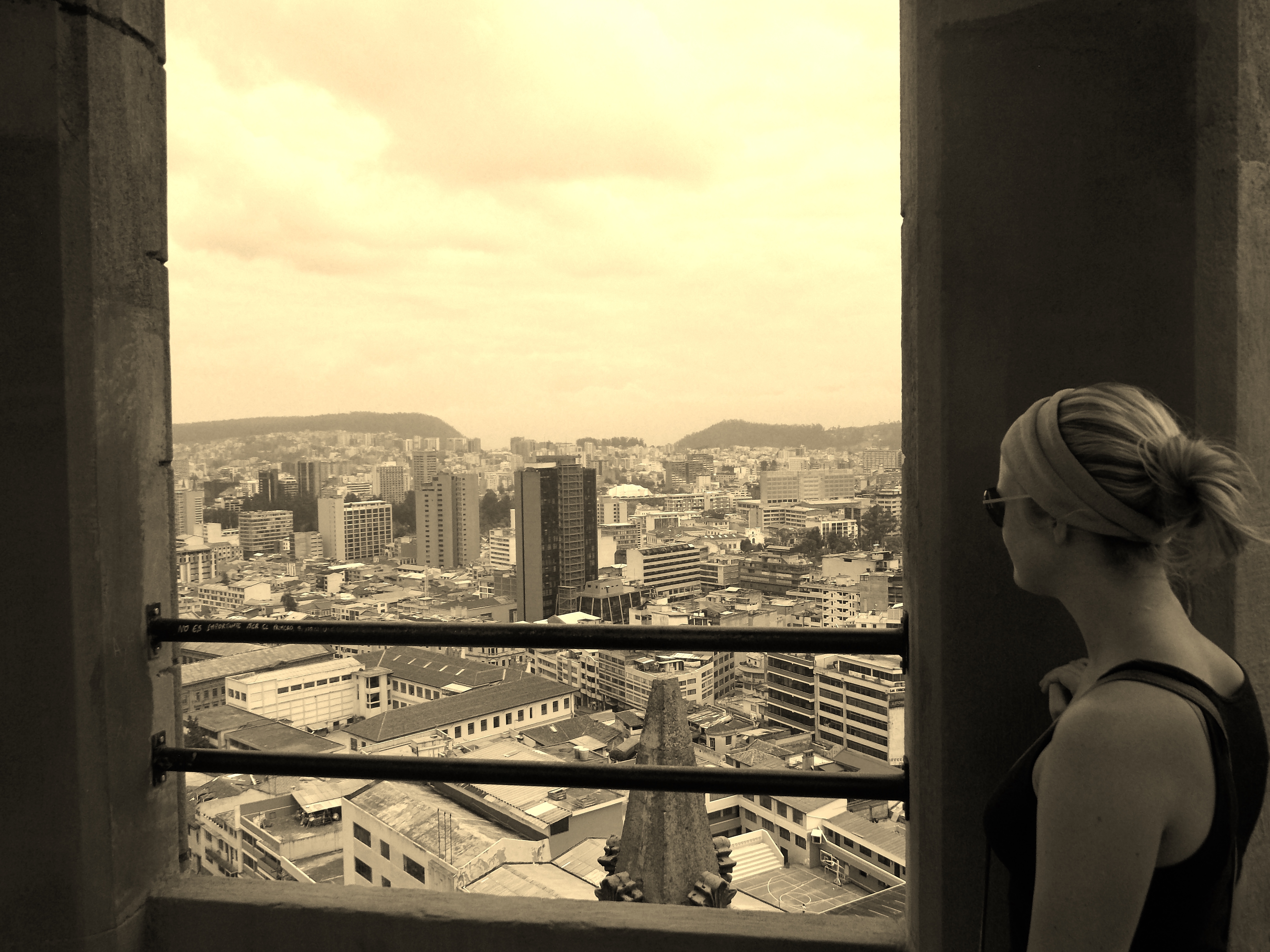
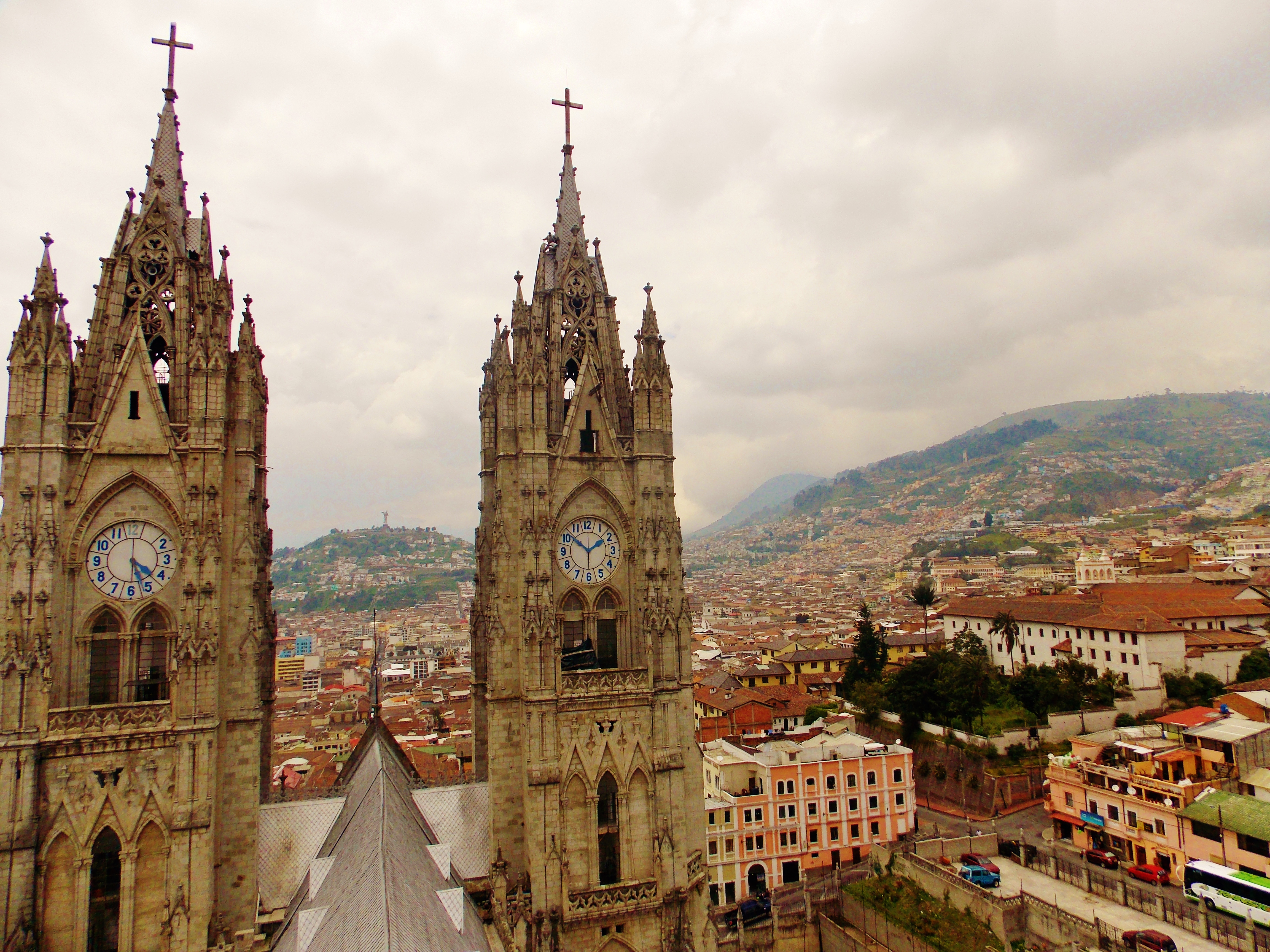
The first order of business was to acclimatise.  The effects of altitude were very immediate, noted by panting and almost keeling over when trying to climb 4 flights of stairs.  Ollie has experience with this sort of thing from her last visit to South America in Chile, where she had a more serious reaction.  We decided to take it easy and explore the old town, starting by visiting the Basilica del Voto Nacional, a 115m high cathedral of neo-gothic design built at the start of the 20th century.  In a cheeky salute to the country’s wildlife it has birds, iguanas and turtles poking out if its side instead of traditional gargoyles. $2 gives you access to the highest points, where you climb up rickety staircases to grab some spectacular views of Quito’s old and new towns.  A bit shaky on our feet is an understatement.  We took it slow.
One of the towers of Basilica de Volto Nacional

One of the towers of Basilica de Volto Nacional

Inside the  Basilica de Volto Nacional

Inside the Basilica de Volto Nacional

Stained glass glory of the Basilica de Volto Nacional

Stained glass glory of the Basilica de Volto Nacional

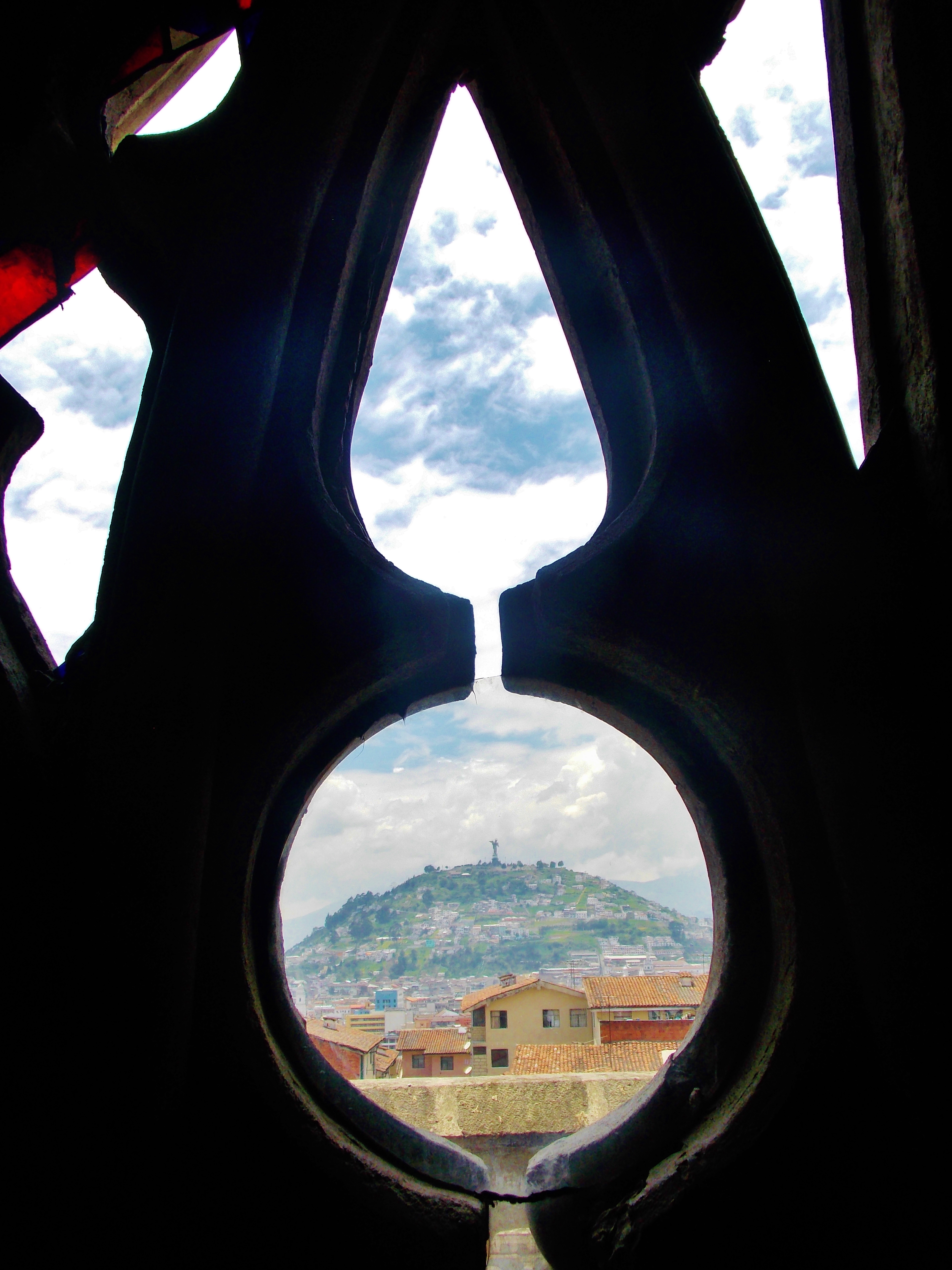
Panecillo htough a broken pane of the Basilicas stained glass

Panecillo htough a broken pane of the Basilicas stained glass

Basilica Selfie

Basilica Selfie

Looking out over Quito - Its pretty damn big

Looking out over Quito – Its pretty damn big

From the top of the Basilica's Spire

From the top of the Basilica’s Spire

No Gargoyles on this cathedral - Just a few salutes to the Galapagos

No Gargoyles on this cathedral – Just a few salutes to the Galapagos

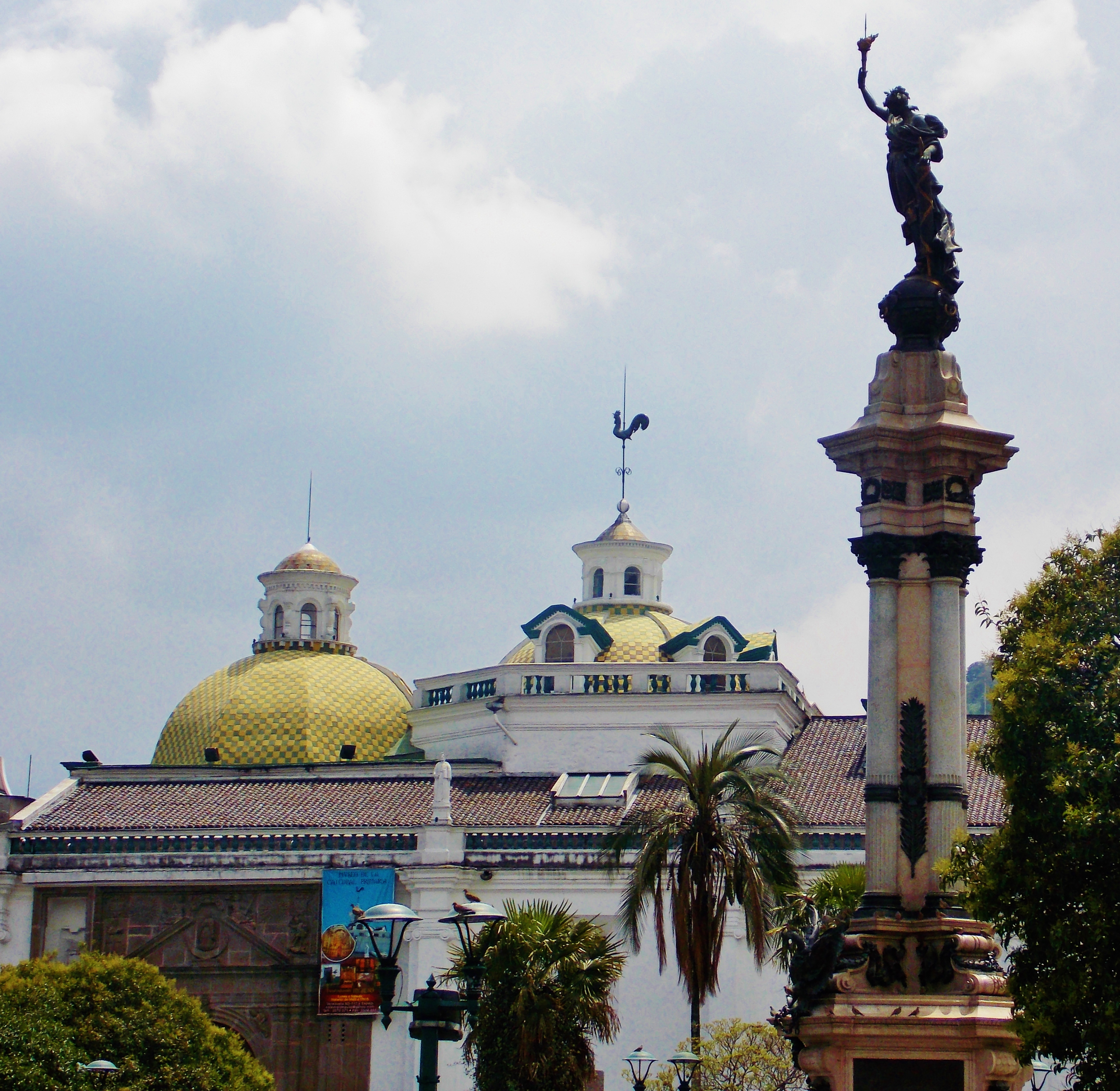
We then set out to explore the rest, arriving first at the Plaza de la Independencia which is surrounded by a handsome collection of buildings.  (Note: the majority of the photos in this post are of buildings, with the occasional selfie in front of buildings, sorry. They’re just rather photogenic.)  This plaza was great place to sit, people watch and start to soak up the general Andean vibe.  National mayoral elections were set for the Sunday so there was a peaceful yet passionate rally going on in front of us.  A handsome square with some wonderful buildings, here are some pretty pictures:

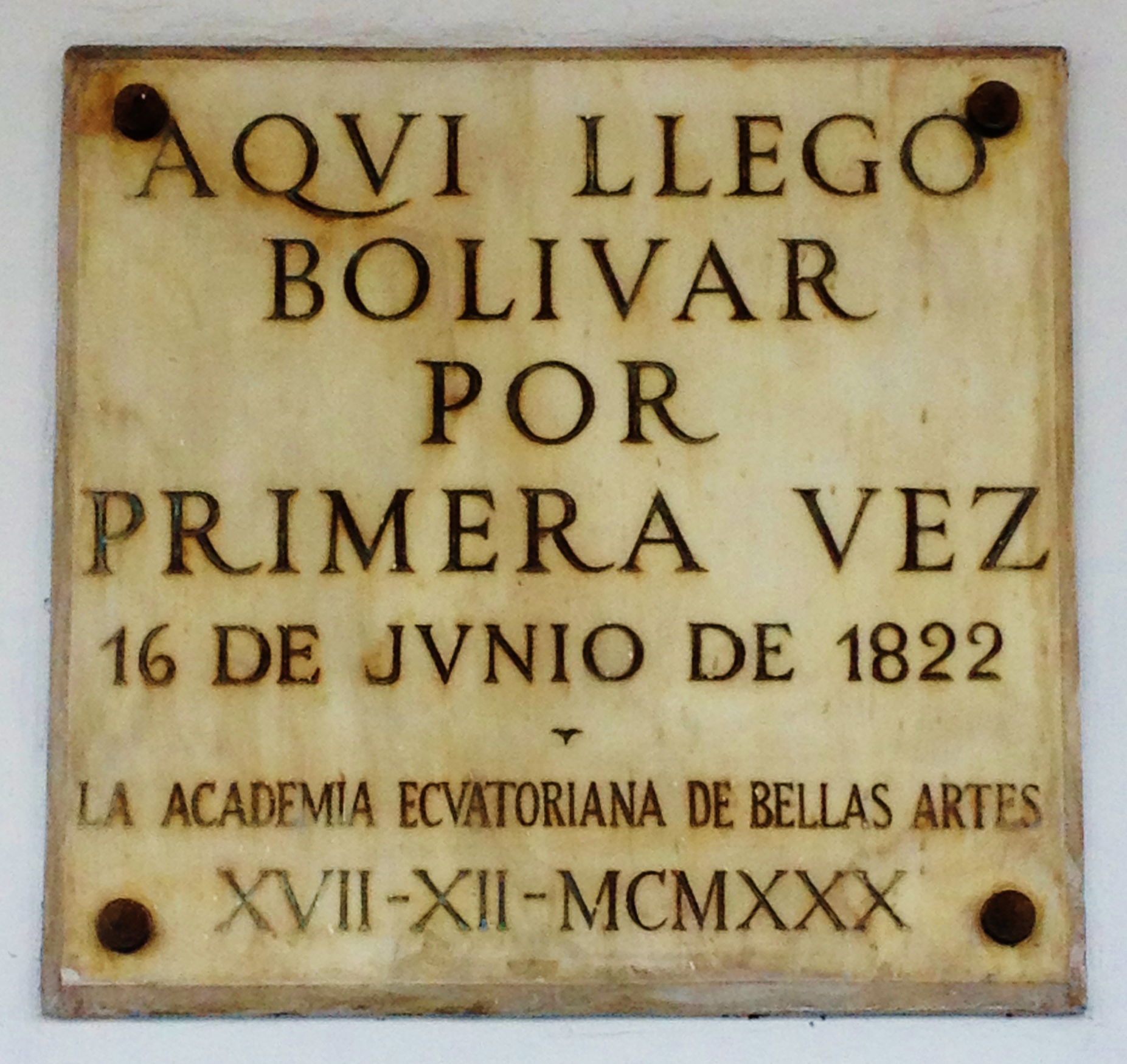
Bolivar plaque

Bolivar plaque

La Compañía de Jesús with its moorish influenced dome in the background

La Compañía de Jesús with its moorish influenced dome in the background

Plaza Grande - Quito

Plaza Grande – Quito

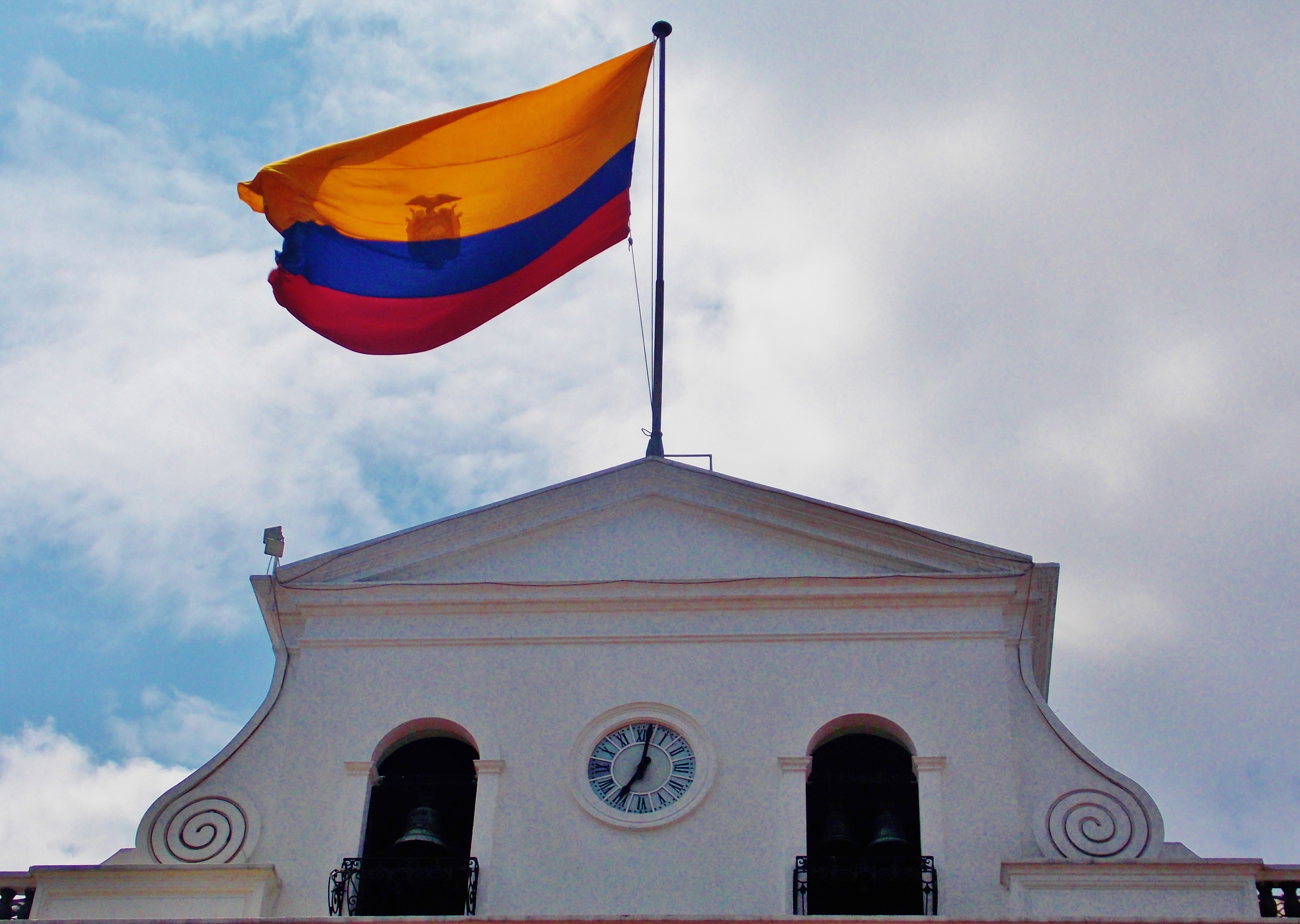
Finally got a flag shot.

Finally got a flag shot.

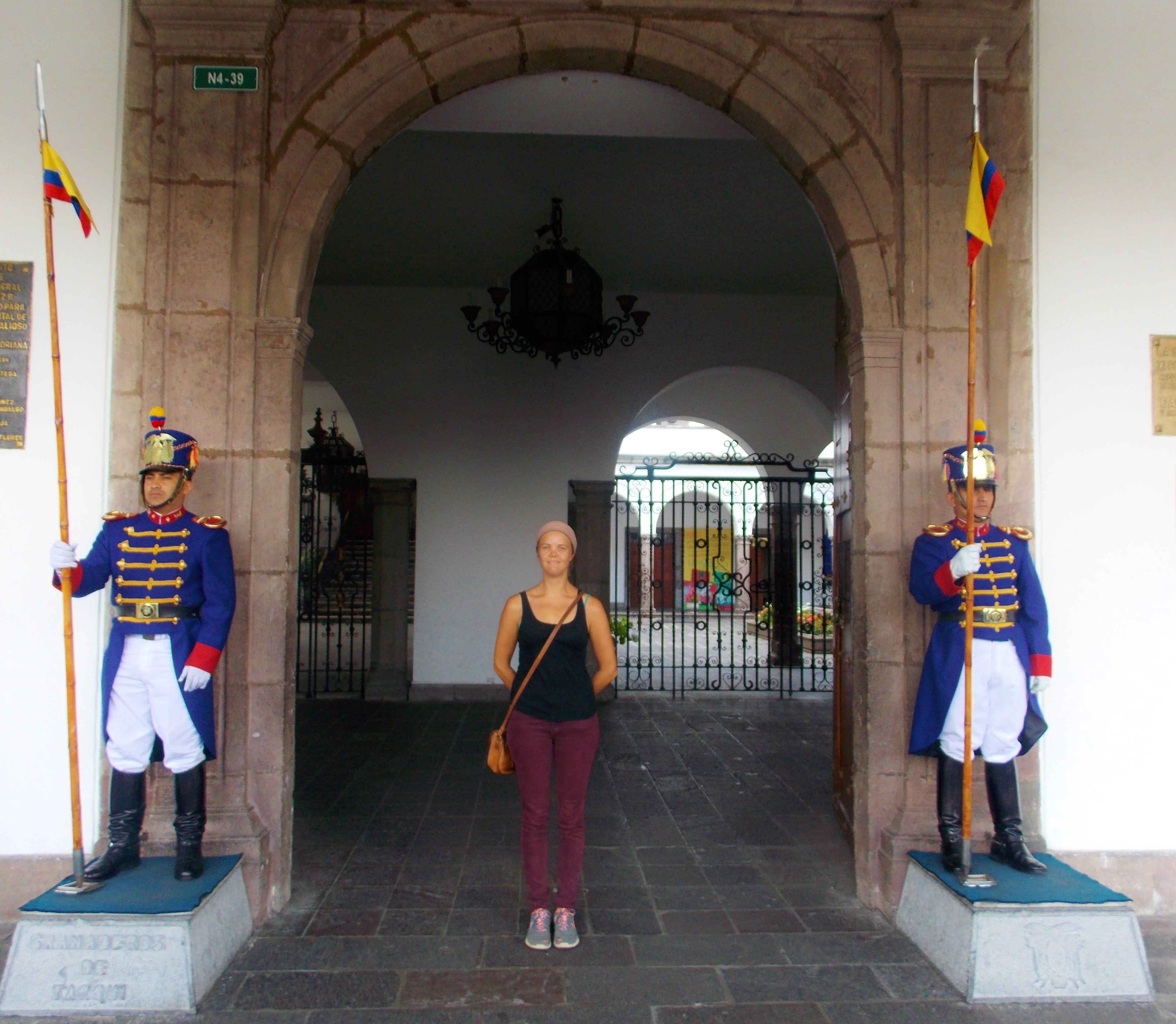
Guards of the Palacio del Gobierno (Presidential Palace)

Guards of the Palacio del Gobierno (Presidential Palace)

I feel it important to add that due to elections, all sales of alcohol were banned for a few days before the election.  We experienced a similar thing in El Salvador while we were there.  Couldn’t help thinking what the reaction would be in the UK if the government tried to impose this law?  Regardless, it tied in nicely with our pledge to stop drinking daily and get into more hiking and general day activities in Ecuador.  A hostel is a different place when backpackers are forced to be sober.  Still noisy bastards though.

Just another Quito street

Just another Quito street

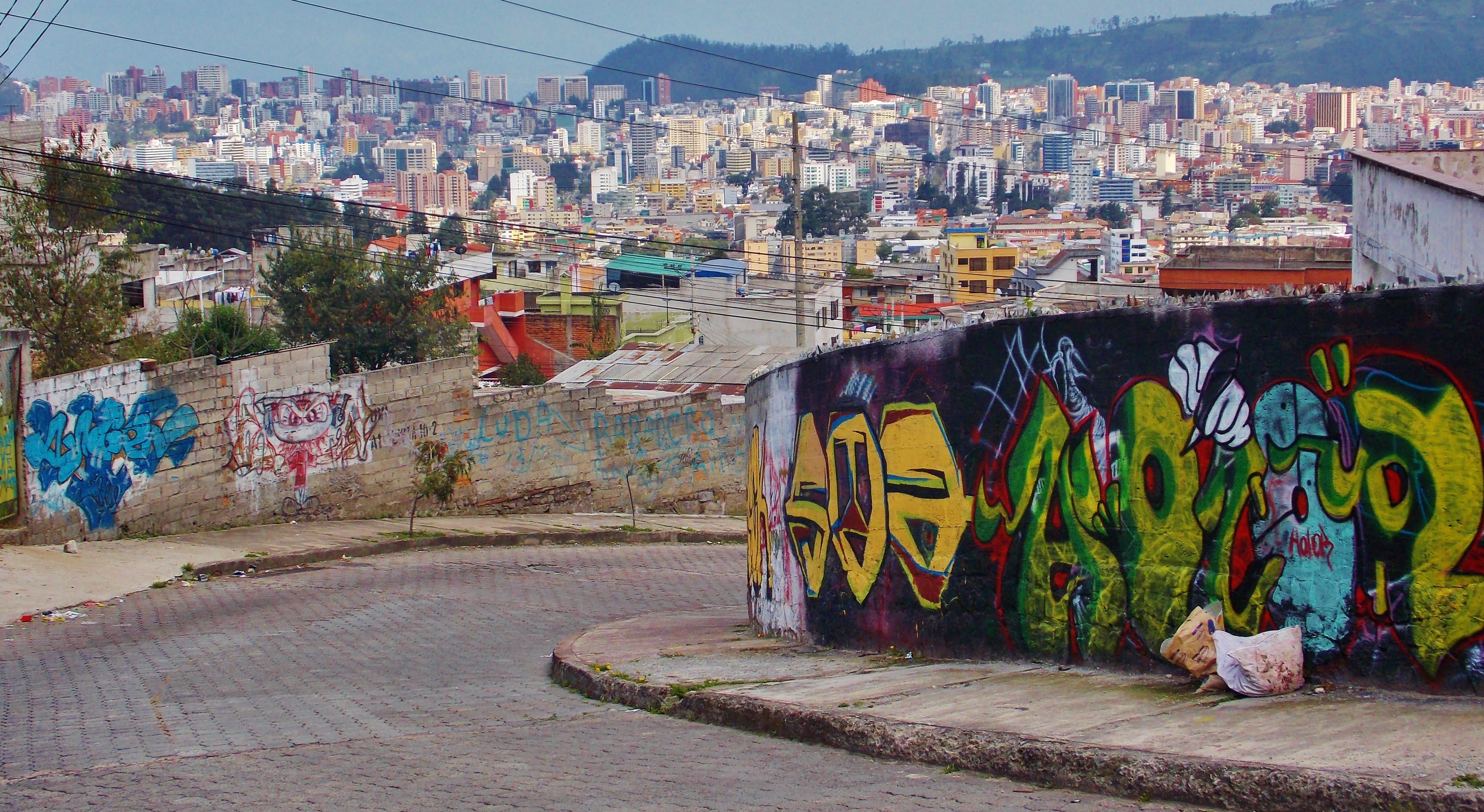
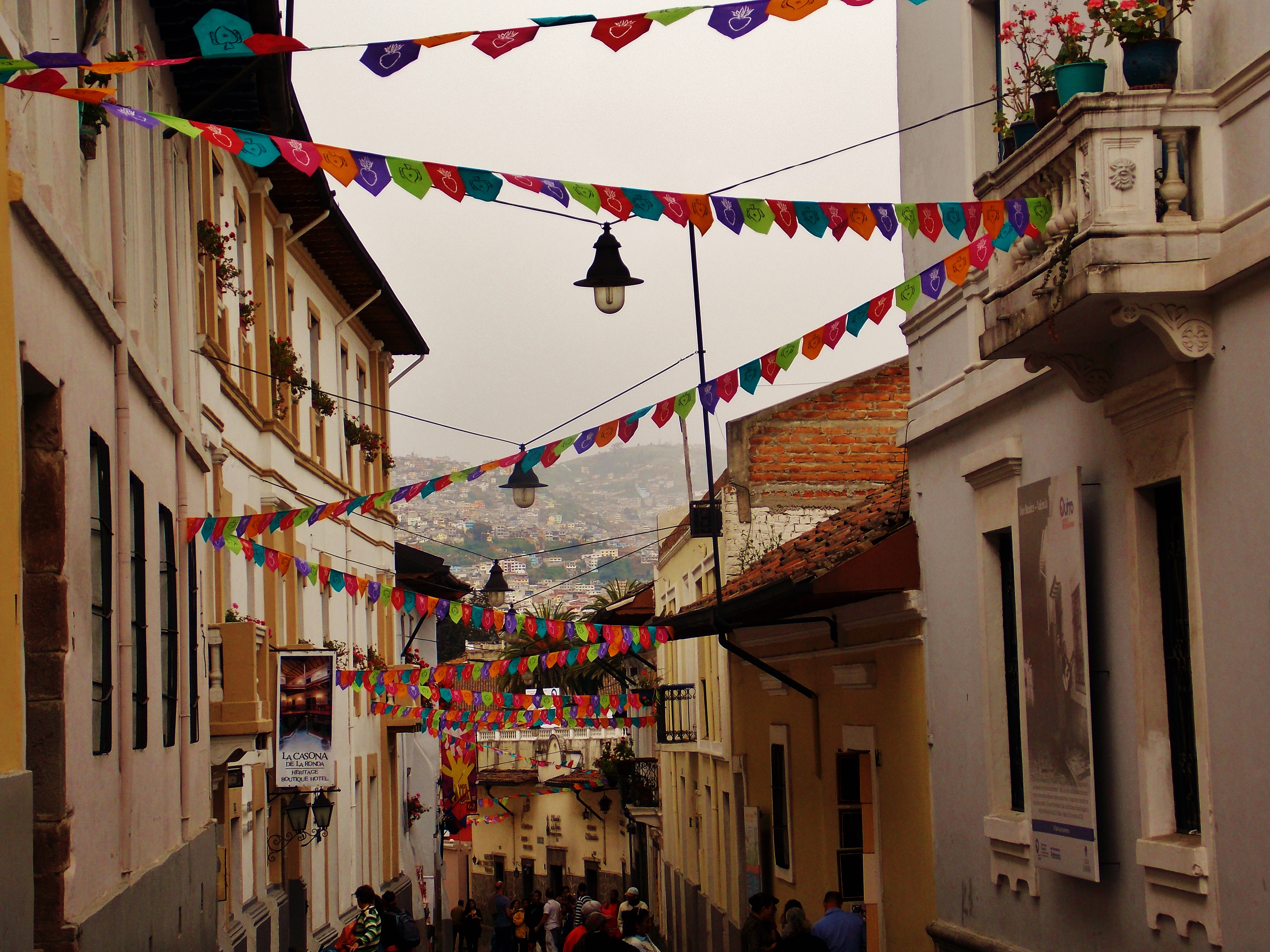
Pretty colours of Quito

Pretty colours of Quito

We ventured into the new town to find a book shop (Confederate Books, very good) on our second day.  Walking there takes about 30 mins at a gentle pace, past many grand monuments of various people of import throughout Ecuador’s history.  Passing through Parque la Alameda and Parque El Ejido, it is clear that the Ecuadorans take pride in their public spaces.  The centre of the new town itself, La Mariscal, reminded me of Playas de las Americas in Tenerife.  BBQ restaurants and bars galore sprawl out to four streets around Plaza del Quinde.  As there was no drinking allowed at the time, and it was morning, the vibe was a subdued one, but you can tell it probably gets quite messy of an evening.   Avoid.

Various warnings about safety in Quito are to be heeded, but we felt safe walking around the city.  We have certainly been to sketchier places so far, and the heavy presence of police around the main tourist areas was reminiscent of New York.  Public transport used throughout the city.  It was cheap and reliable, but also a bit crowded.  No issues had.

Views of Quito

Views of Quito

Something out of nothing on the grimy streets of Quito

Something out of nothing on the grimy streets of Quito

Becoming more backpacker than I ever wanted we are now imposing a stricter budget on ourselves.  This means eating cheap(er).  And we did.  Empanadas are widely available, with meat or cheese for between $0.50-$1.50, depending on size and quality.  If you haven’t come across these, they are like Cornish Pasties and equally delicious.  There are hundreds of small eateries around the city offering cheap breakfast and lunch for between $2-$4 a plate.  (Loss of appetite due to the altitude meant that a 2 course meal was a bit beyond us though) There are also many great-looking eating establishments where you can enjoy fine dining.  We can only look at these places and reminisce about when we could afford such treats.  We relied instead on the local bakeries for food, of which there are many.  On offer are some incredibly delicate cakes and delicious breads.  We favored a cheese loaf and combined it with avocadoes, tomato and cucumber.  I referred to as the Quito Special and it served us well.

The Plantain shop...I guess

The Plantain shop…I guess

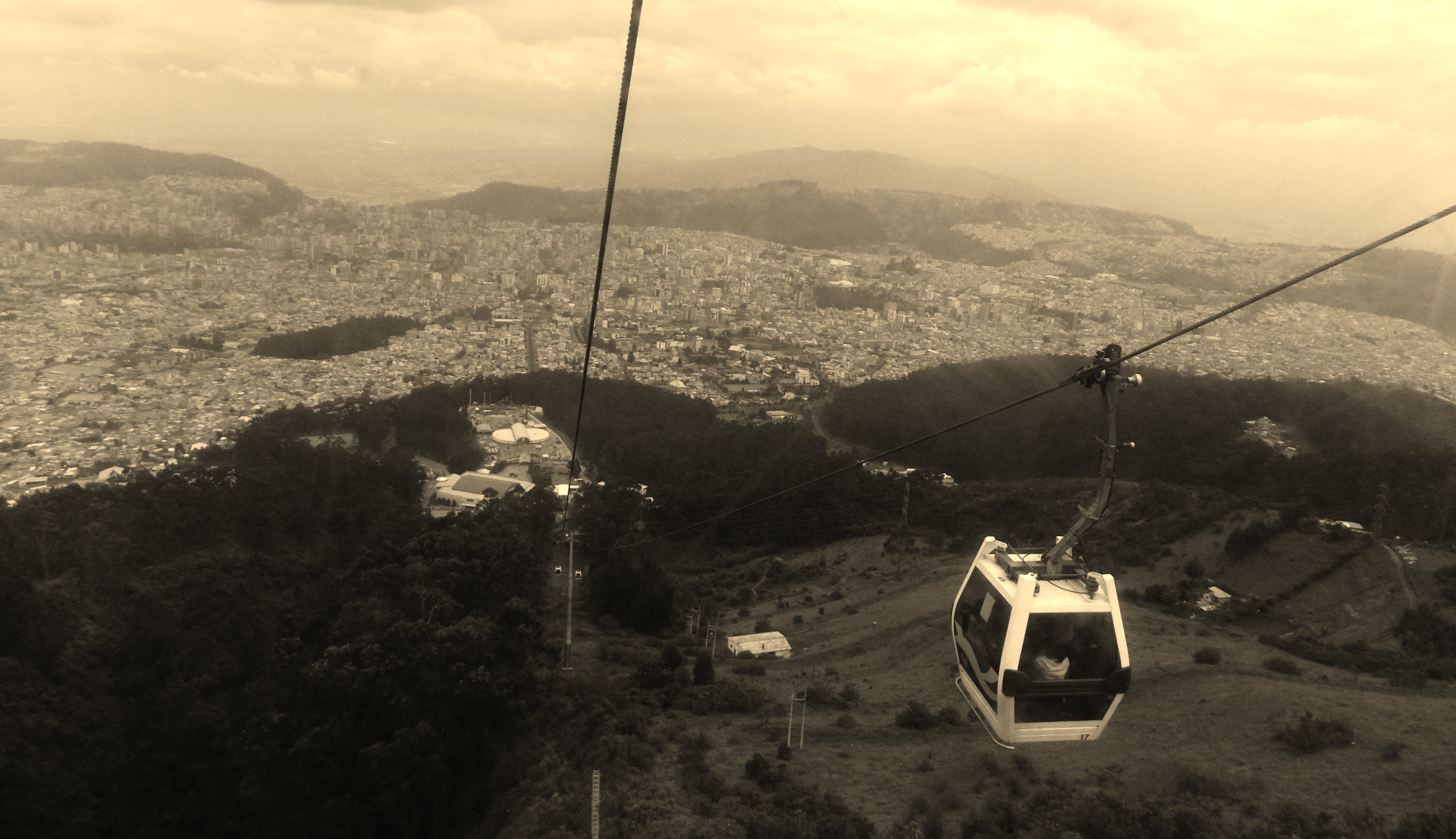
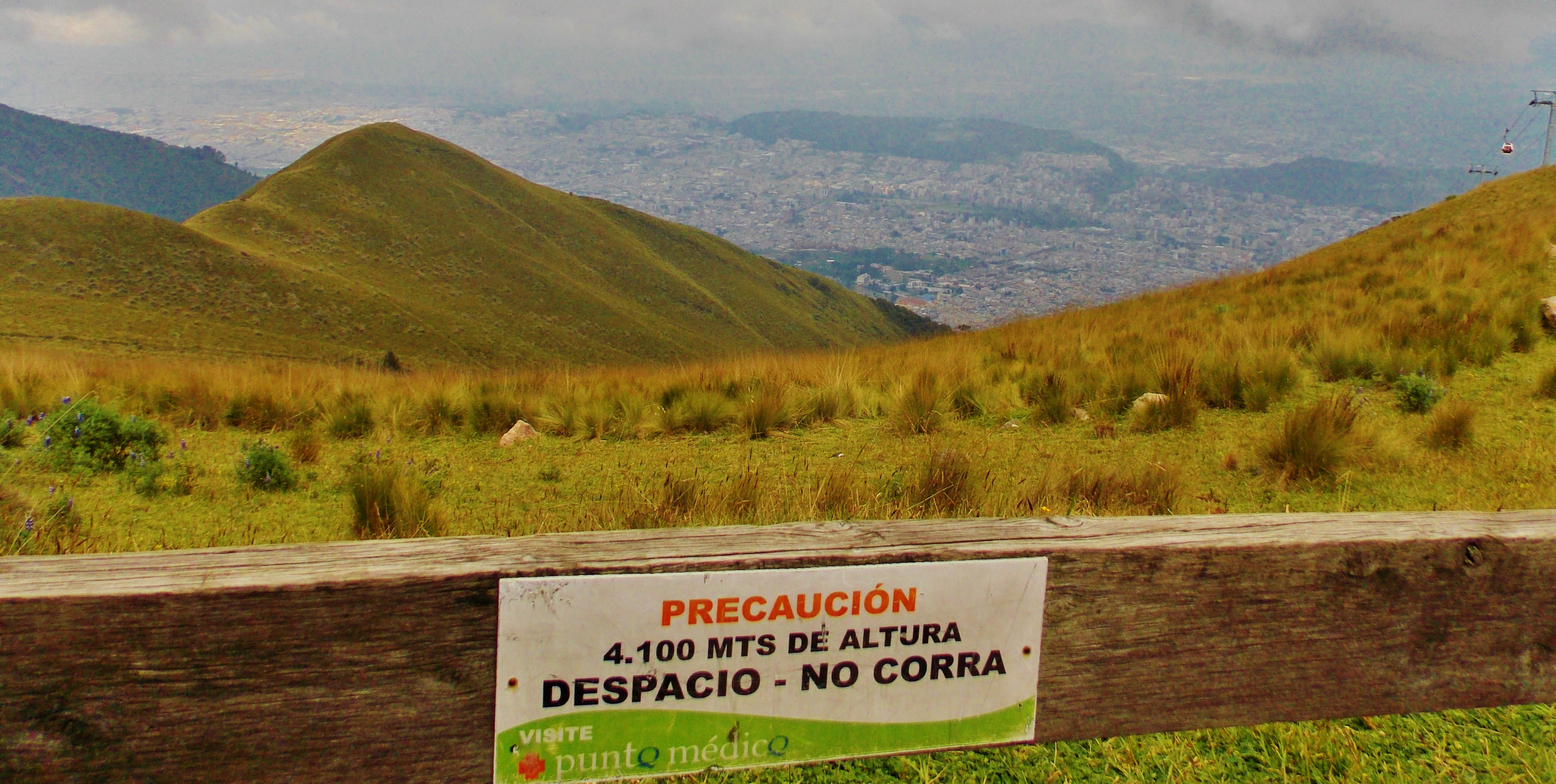
There is plenty else to keep you busy in the city.  Once we felt up to it, we took the 2.5km ride on the TeleferiQo, a cable car that rises to a height of 4100m up Volcan Pichincha.  Some awesome views were on offer as well as our first sight of some llamas who were knocking about up there.  So very exciting…

TelefériQo

TelefériQo

Cruz Loma, top  of the TelefériQo

Cruz Loma, top of the TelefériQo

Llamas!

Llamas!

The hill of the Panecillo from top of the TelefériQo

The hill of the Panecillo from top of the TelefériQo

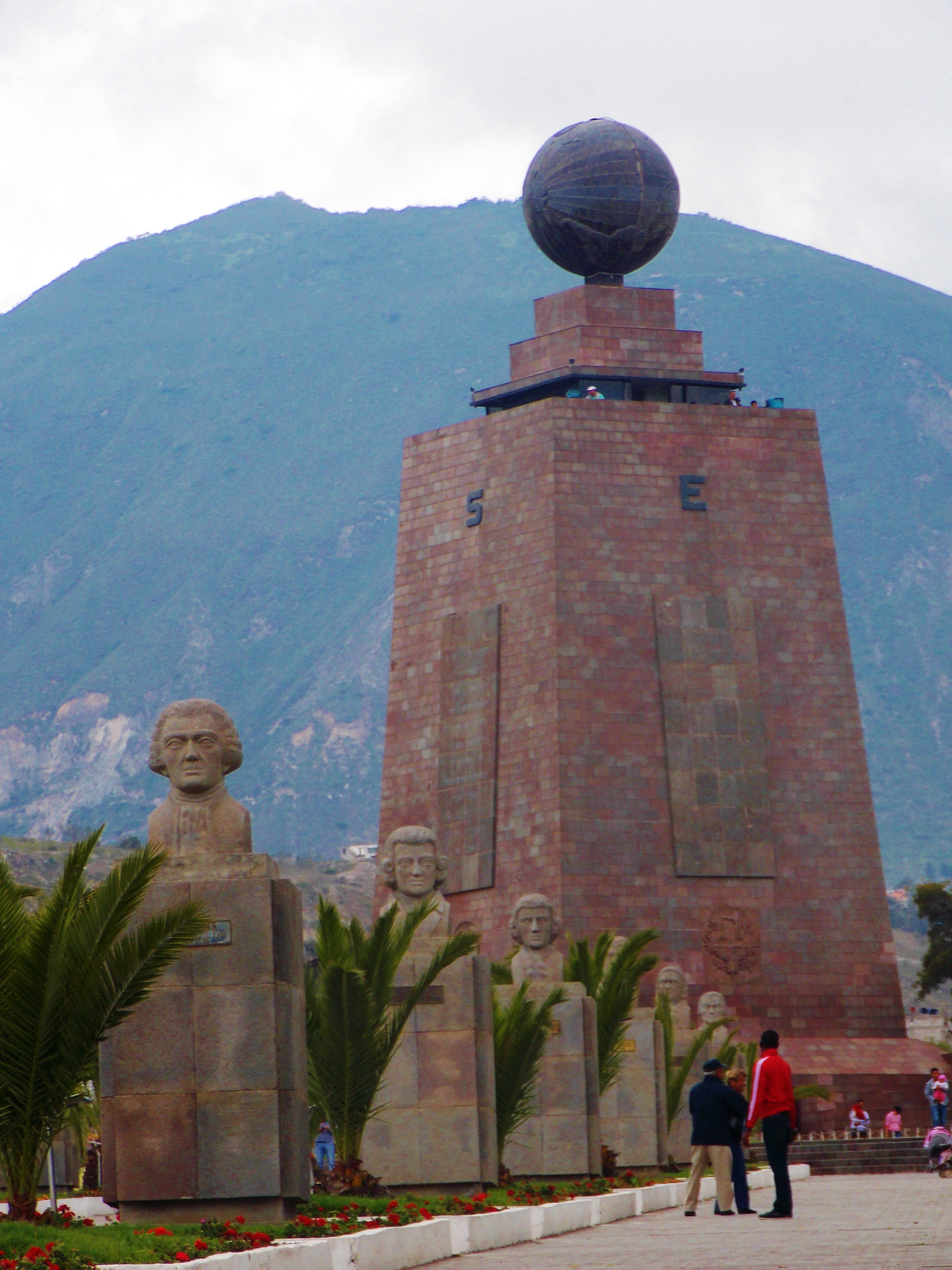
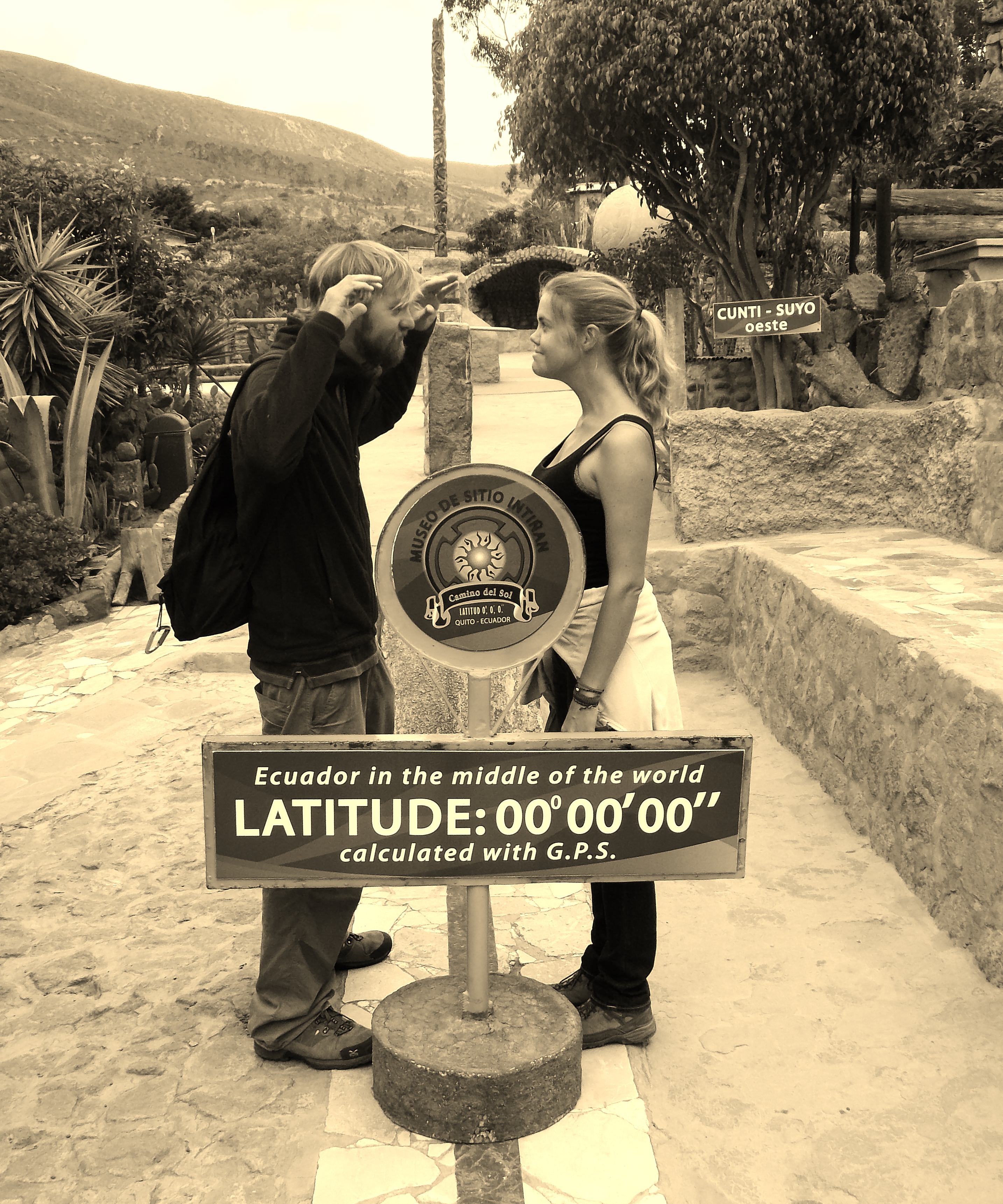
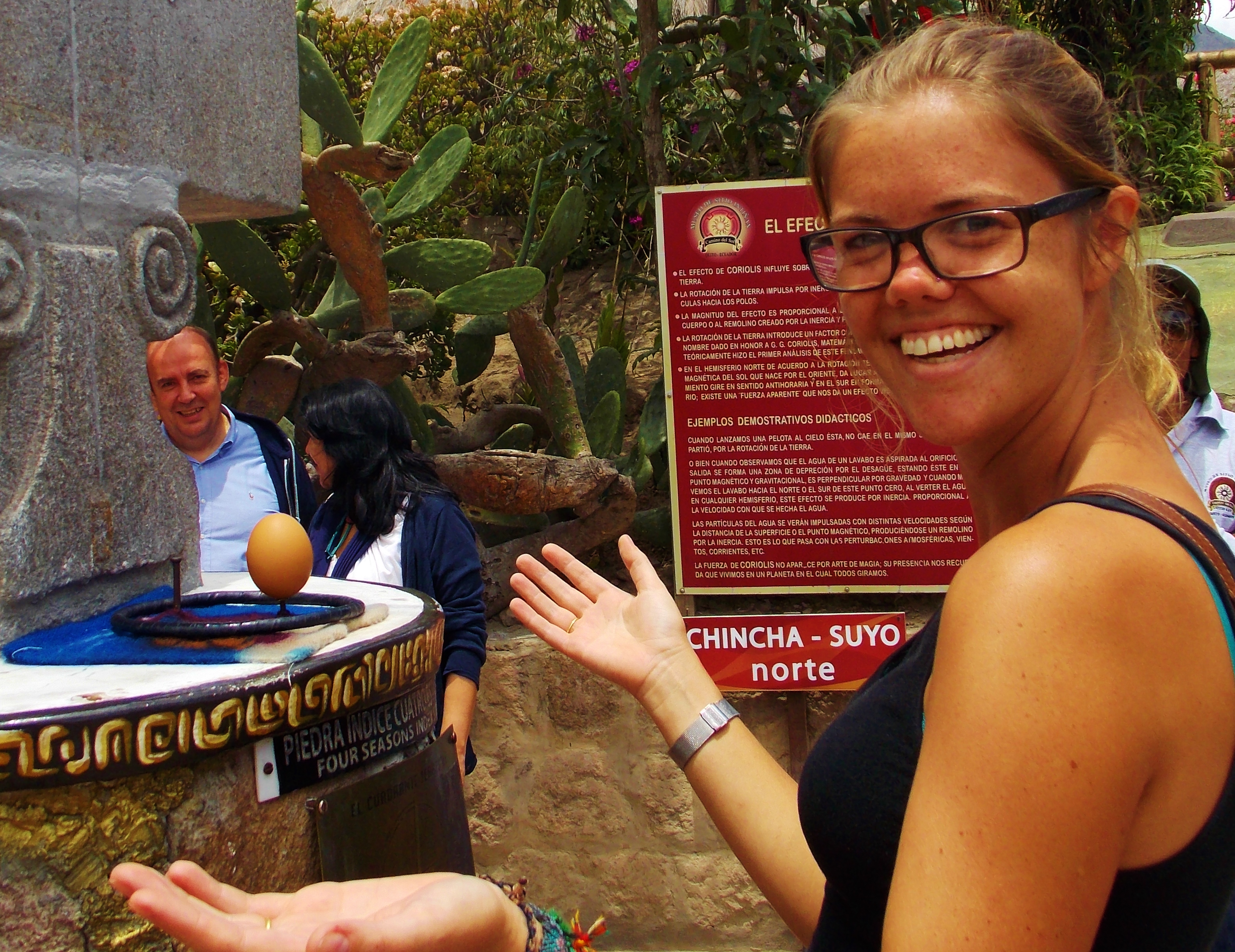
Silly me, I didn’t realise that the translation of Equator in Spanish is actually Ecuador. Something of a lightbulb moment thanks to iPhones auto correct text.  So, a day trip to the site of Mitad del Mundo, where in 1736 Charles Marie de la Condamine made measurements to show the equatorial line was in order. City buses are dirt cheap ($0.40 each) and get you there in about 1.5 hours.  Today, there is a huge monument and complex that declares itself ‘The middle of the world’, although now with the invention of GPS, this is shown to be inaccurate.   We visited the Museo Solar Inti Ñan a few meters down the road, which now claims to be on the exact point of the Equator (but this is also discredited by many). At the museum they get you to walk on the equatorial line and challenge you not fall off due to the power of the equator.  The power of suggestion is a wonderful thing and of course, everyone fell off.  They then demonstrate the Coriolos Force which causes weather systems to veer right in the northern hemisphere and left in the southern hemisphere (and apparently why toilets flush the other way when in Australia).  Here, at the ‘middle of the world’ they drain a sink on the equatorial line and the water slips down without spinning.  It’s then repeated just to the north of the line (draining counterclockwise) and to the south (clockwise of course). A neat trick, but hard to believe…something to do with magnets maybe?  Then came balancing an egg on a nail; a feat that is apparently easier dead on the equator.  Ollie being the only one in our group who managed to do it got herself a handsome certificate for her efforts.  Even though it may not be exactly on the equator and the demonstrations mere trickery, it is as close as you’re going to get to it, and it’s a pretty fun day out!

Mitad del Mundo monument

Mitad del Mundo monument

Museo Solar Inti Ñan - The museum at the center of the world

Museo Solar Inti Ñan – The museum at the center of the world

God were fun!

Egg Balancing at the ecuator.  One of the many things we witnessed and not sure how much trickery was involved.  However...well done Ollie!

Egg Balancing at the ecuator. One of the many things we witnessed and not sure how much trickery was involved. However…well done Ollie!

Egg balancing certificate

Egg balancing certificate

150 year old genuine shrunken human head, next to that of a sloth...for perspective i guess.

150 year old genuine shrunken human head, next to that of a sloth…for perspective i guess.

There is plenty more to do in the city, with various travel agencies offering tours to the surrounding towns of Mindo and Otavalo.  We have decided to head south to Cuenca, then work our way back to Quito and check these places out then on Route to Colombia.

La Ronda

La Ronda

Panecillo (the virgin of Quito)statue from La Ronda

Panecillo (the virgin of Quito)statue from La Ronda

Beard progress

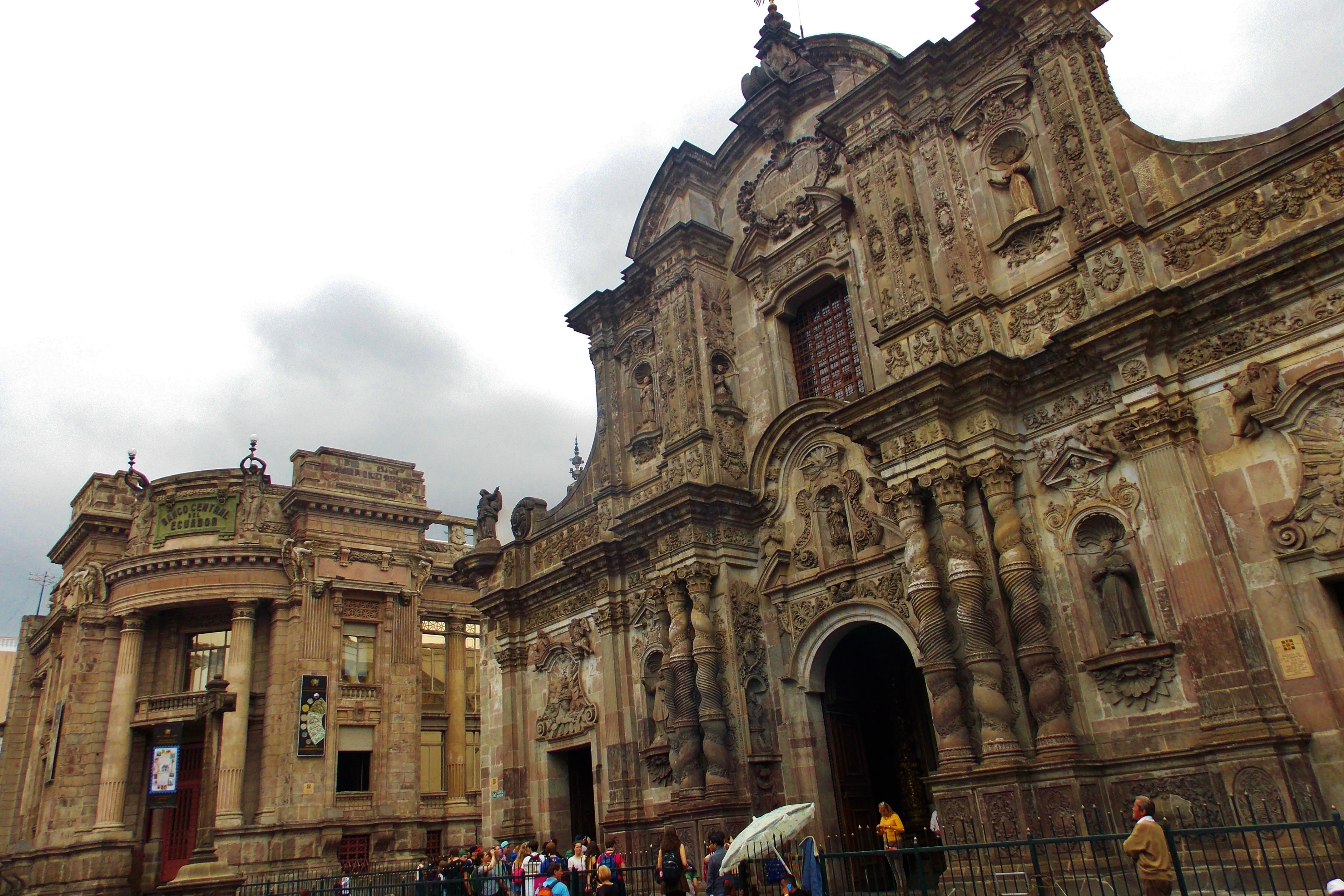
Church of the society of Jesus (A church covered in gold inside) next to the National Bank of Ecuador

Church of the society of Jesus (A church covered in gold inside) next to the National Bank of Ecuador

One thing we have noticed is the general levels of tourism here.  Not just your backpackers, but people from all walks of life.  Also, the average age of backpacker has dropped 5-10 years here, so we are now surrounded by ‘gap yahs’ who seem to be less friendly than the average traveler in Central America.  Maybe we are now too old to hang with them.  Oh well…

Anyway, bring on Cuenca, the city of the Panama (Montecristi) hat.


Leave a comment

Time flies – Ten days on Isla de Ometepe

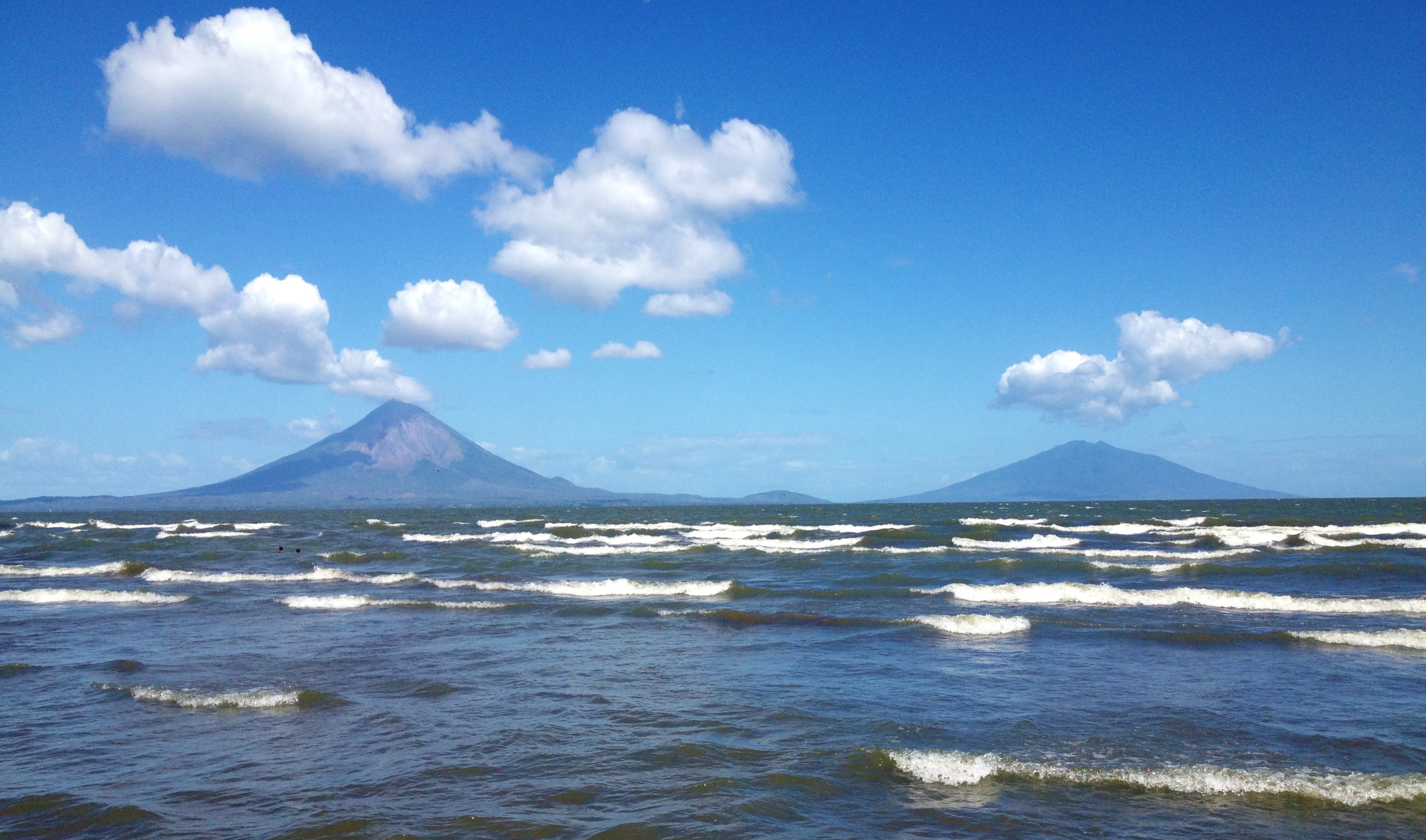
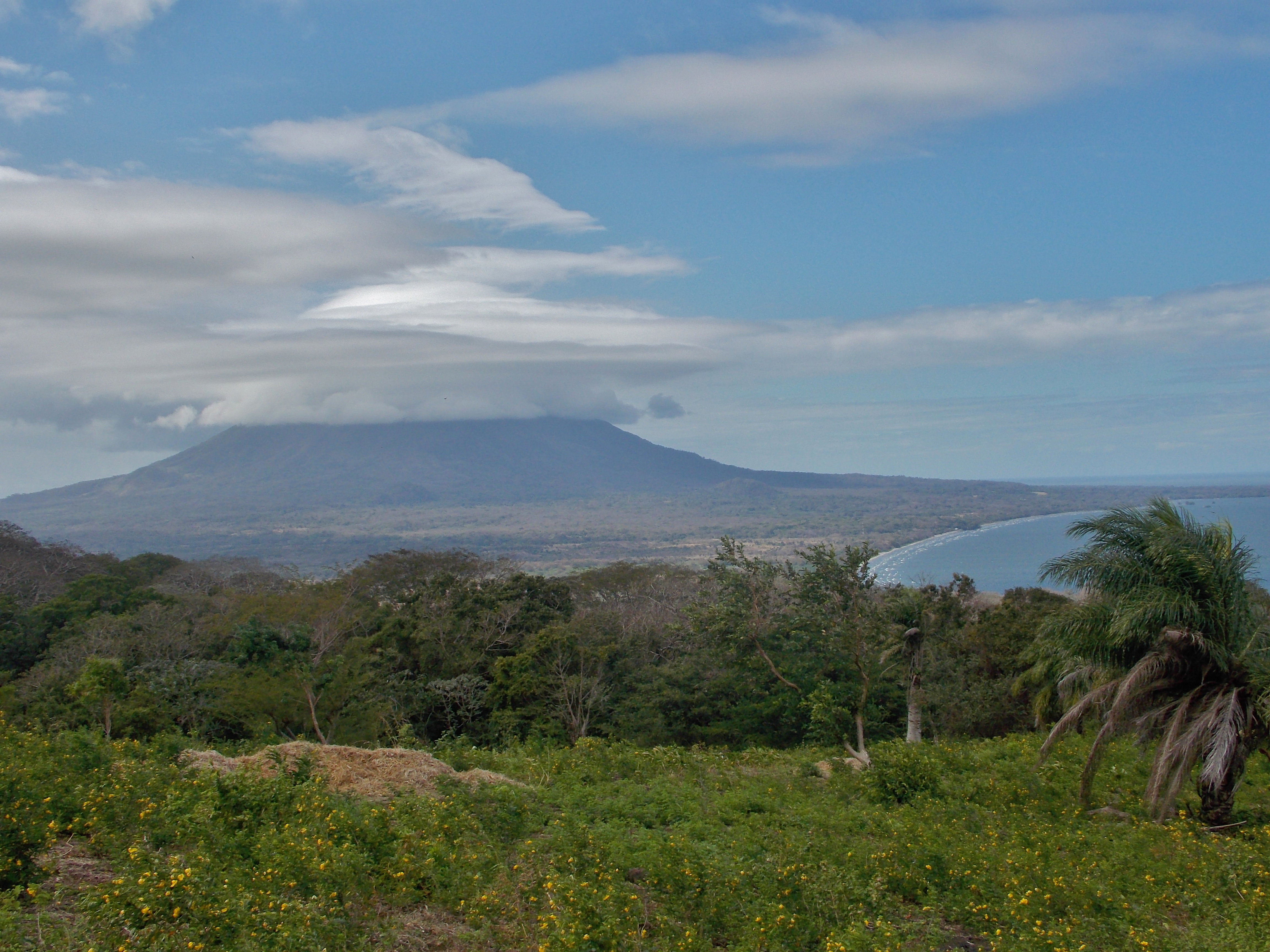
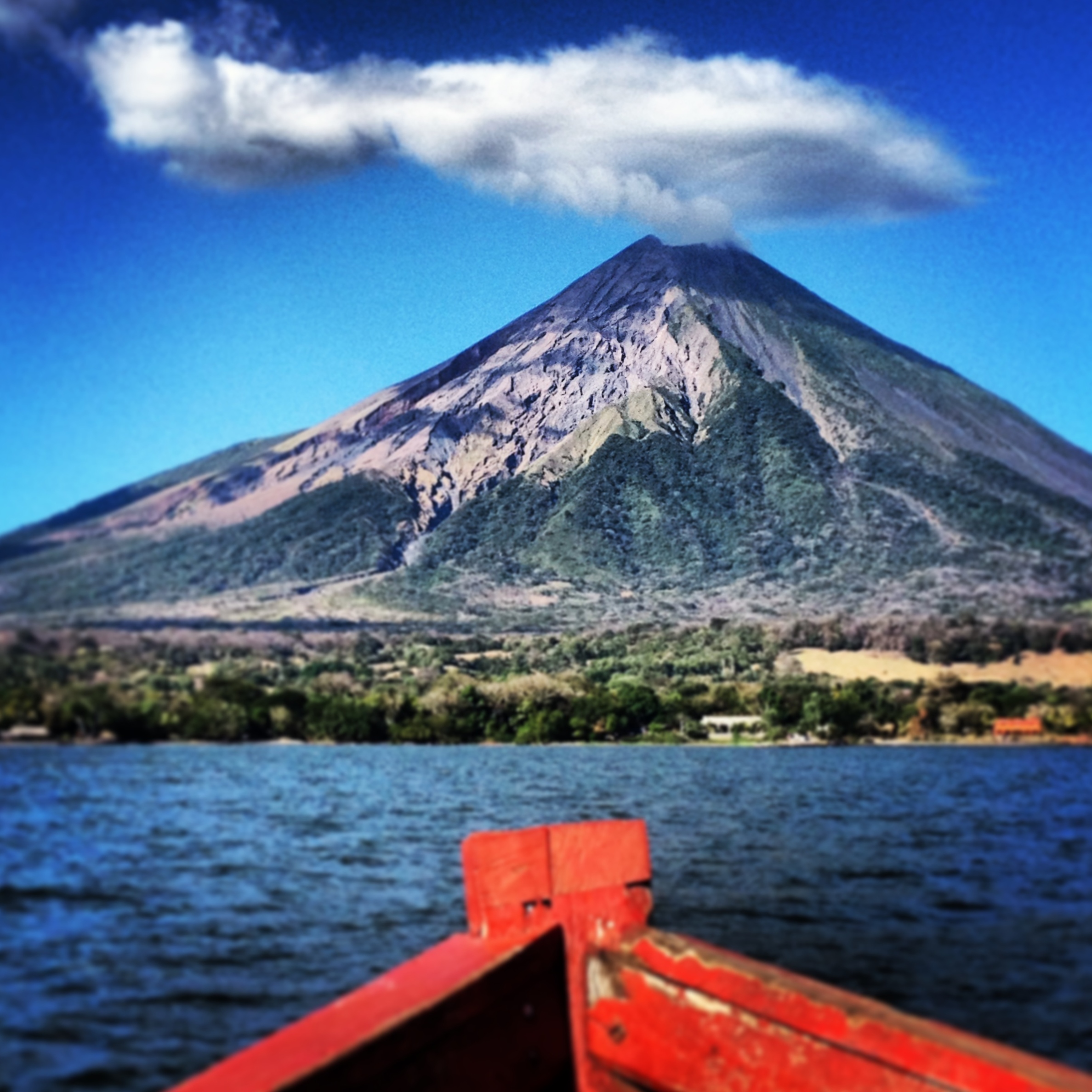
Ometepe as seen from the other shore

Ometepe as seen from the other shore

Nicaragua has proved to be something of a game of two halves for us. After several days in each of its well-known cities, León and Granada, we were ready for a change. Before we left I had noticed in the British press how hotly Nicaragua was being tipped as the new ‘must-see’ tourist destination, and so far at least, it had seemed to us like the country’s tourist board and main players had expertly mapped out a standard gringo route which we’d been rolling along. We were keen to step off it a little, but were constrained time-wise by a flight out of Central America a couple of weeks hence. So looking for some fresh air, outdoor activities and more hammock time, we decided to head to Isla de Ometepe, an island in the middle of the enormous freshwater Lago de Nicaragua in the centre of the country. The lake itself used to be part of the Pacific, until volcanic activity cut it off.

Ometepe means ‘two mountains’ in the Nahuatl language, and if you see any pictures of it you’ll see why. Two volcanoes rise out of the lake, linked by an isthmus between the two. The larger peak, Volcán Concepción, is a forbidding, steep-sloped cone that rises to 1610m and remains active today. Its smaller and dormant sister, Volcán Maderas, is smaller at around 1394m and rainforest-clad, with a crater lake at its summit. The sight of both as you arrive on a boat is quite something. Apparently when the first inhabitants arrived they believed they’d found the promised land and it’s not too much of a stretch of the imagination to see why.

For the full photo gallery, click here!

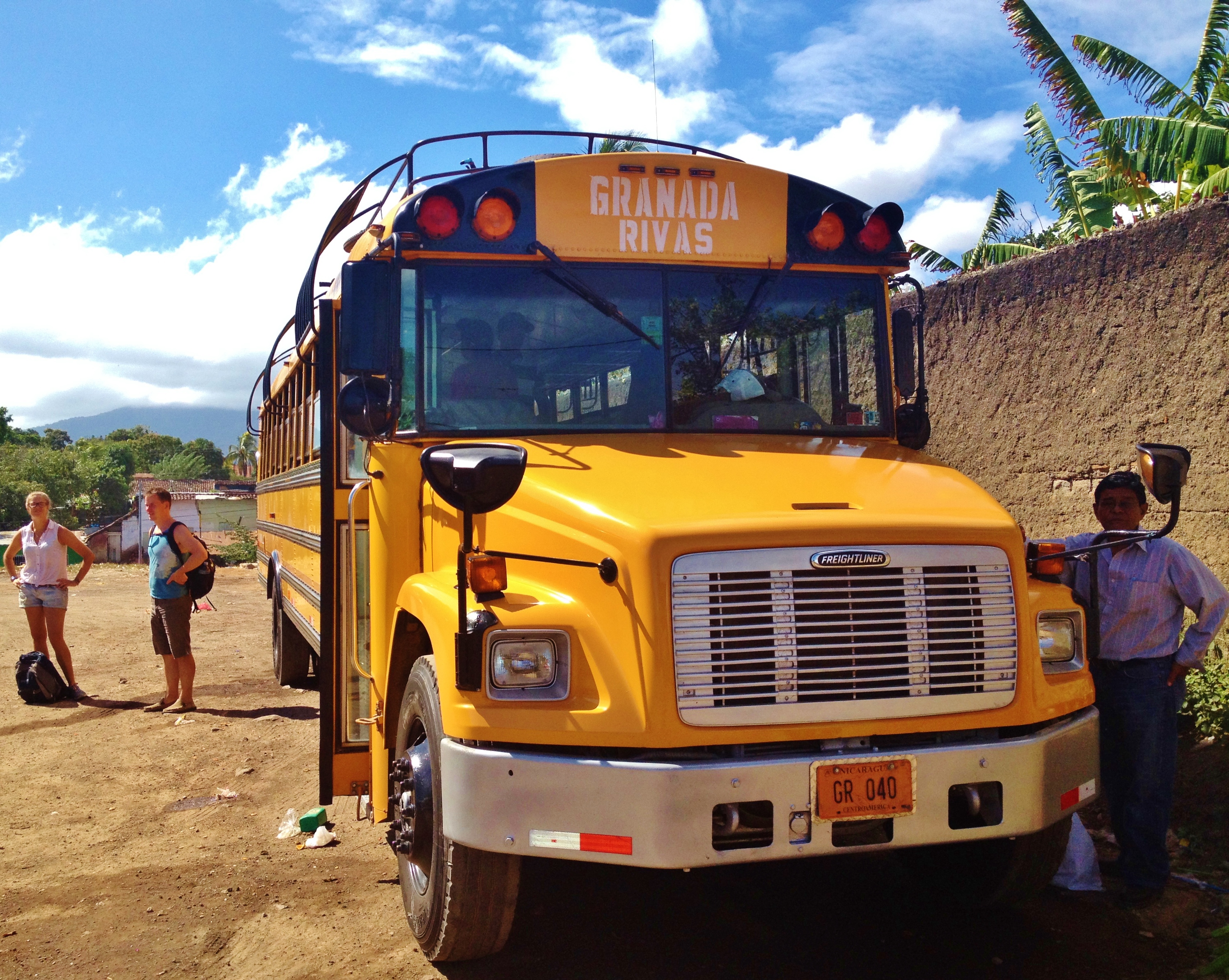
A short 90 minute wait...

A short 90 minute wait…

Our journey there began in Granada at around 10am, and after an hour and a half’s wait for the Rivas-bound bus to actually leave (hey, there’s always more room for an extra 30 people in the aisle and somehow, 2 bikes) we were rolling south. On arrival at Rivas we were greeted with a scrum of taxi touts offering to take us to the port or one of several beach towns for which Rivas is the hub. We eventually got one for $4 for the 3 of us, although we did have to wait while the driver’s friend applied transfers to the window before we could head off. Essential maintenance I assume…. Down at the port of San Jorge we were informed we could wait an hour for a ferry or catch a ‘lancha’ in 30 minutes for half the price. Being keen to get to some lodgings before dark we opted for the latter. The lancha was a somewhat elderly two-storey wooden vessel that carried around 90 souls in a minimal degree of comfort across the choppy waters of the lake. But for $1.60 each no-one was complaining!

Approaching the menacing Volcan Concepcion

Approaching the menacing Volcan Concepcion

After two more comically-packed buses we arrived in the small village of Santa Cruz near the foot of Volcán Maderas and set off to walk the final few hundred metres in the hope of securing a place to rest our heads at El Zopilote , which describes itself as a ‘Finca Ecológica’ – a working organic farm and hostel. Four of us arrived from the boat, one with a tent, but we were told that there was space for the tent but just one hammock remaining. After standing around looking distinctly forlorn for several minutes in the failing evening light they phoned up to reception to check again and decided there were 3 free hammocks which we gratefully accepted. The walk up the hill to the farm from the road was one final punishment after a hectic day’s travel but we arrived at a friendly reception area as dinner was getting underway and were rewarded with some cold beers. To our delight we found that they also sold rather excellent red wine, which was somewhat necessary in order to fall asleep in a hammock in the open air!

El Zopilote as seen from the road

El Zopilote as seen from the road

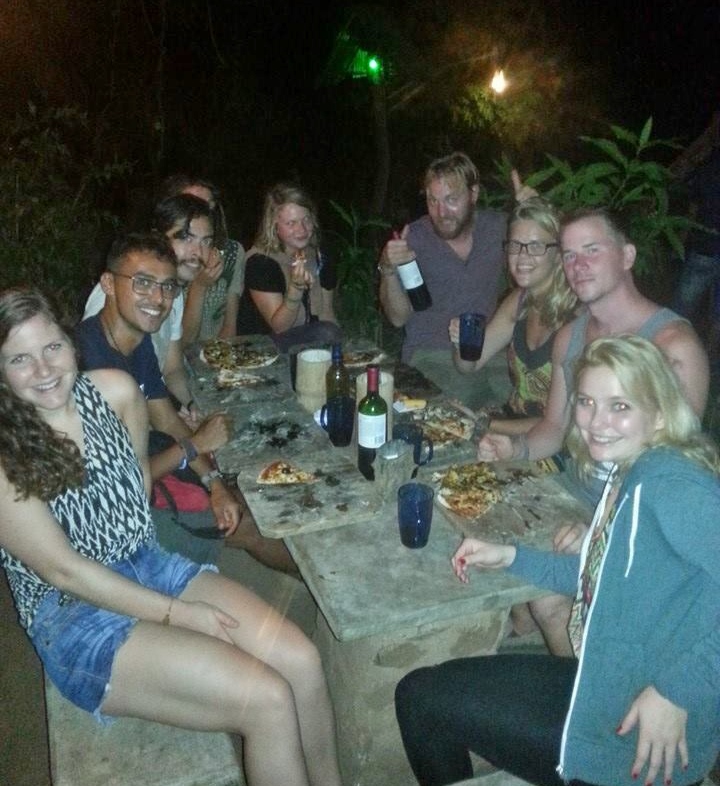
The next day dawned early and bright, and got off to an excellent start when Rich and I found we could trade up from hammocks to a wooden cabin for the princely sum of $14 per night. This was the point we realized we might be staying a while. El Zopilote itself is a beautiful and calm spot, just what we’d been looking for. Various palm-topped buildings are spread out among plantain trees and swaying bamboo, just high enough above the lake for the breeze to cut through the heat of the day. It is Italian owned, which means that the important things are taken seriously – decent wine, homemade pasta, bread, gelato and best of all, a wood-fired pizza oven that is cranked up 3 nights a week to make the best pizza we’ve had since leaving Brixton and Franco Manca behind! The rest of the menu is made up of fresh ingredients, often grown or made on the farm; in short, this is the best we’ve eaten on the whole trip. Rich had probably his first ever vegan meal and barely winced (although after 9 days here I think he may be hankering after a burger…)

Our cabin at El Zopilote

Our cabin at El Zopilote

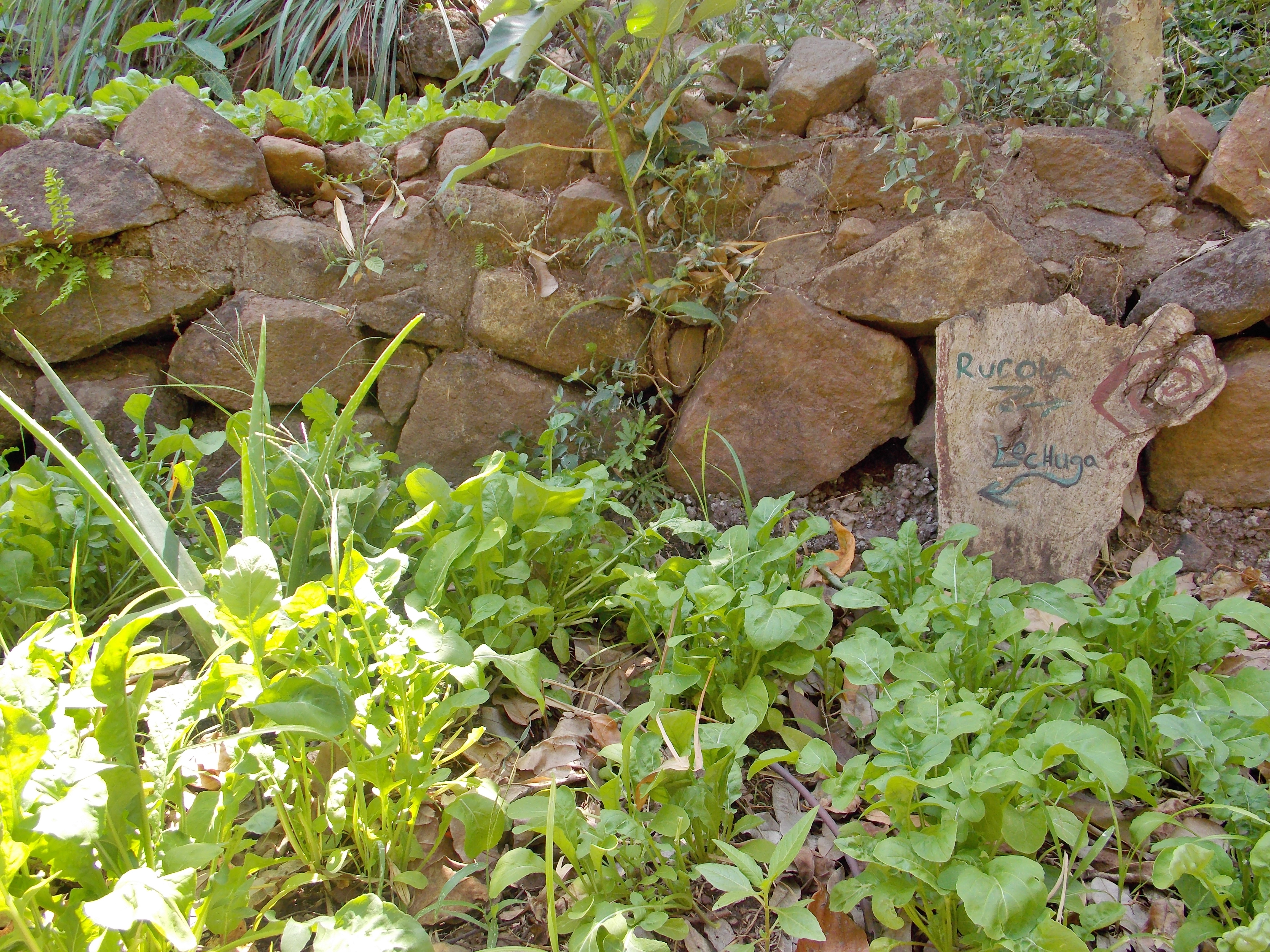
Rocket and lettuce growing in the kitchen garden

Rocket and lettuce growing in the kitchen garden

Pizza night at Zopilote (thanks Nina for the picture!)

Pizza night at Zopilote (thanks Nina for the picture!)

But Ometepe has much more to offer than a good spot to relax and eat, so after a couple of days R&R we were keen to tackle Volcán Maderas and work off at least a little of the pizza. With that in mind, Rich, Will and I booked a guide and set the alarm for 6am the next day. It turns out Rich may have subconsciously been a little less keen as he kicked a rock during a late-night toilet dash and slashed the end of his toe, which meant that he bagged an extra hammock day while Will and I set out for the summit. The climb began gently, out through farms and fields of plantain, yucca and avocado trees. The trail then entered the forest and we began to climb more steeply, with howler monkeys in the trees overhead. As we entered cloud cover the path grew muddier but a lot of fun as we clambered over tree roots and rocks towards the top. The mud was almost comically bad, churned up by several insane souls who had been completing an ultra-marathon up and down both volcanoes two days prior, but after 3 hours we had reached the summit and climbed down the 15 minutes or so into the crater where there lies a lagoon among the rainforest, eerily grey and misted under all the cloud. After a short lunch stop we started back down and incredibly I only fell in the mud once on the descent… I’d heartily recommend the climb – it took us 6.5 hours in total and is challenging but very enjoyable.

Ramshackle farm on the slopes of Volcan Maderas

Ramshackle farm on the slopes of Volcan Maderas

Lovely clear weather at the top

Lovely clear weather at the top

Will taking on the mud

Will taking on the mud

View over to Concepcion on the descent

View over to Concepcion on the descent

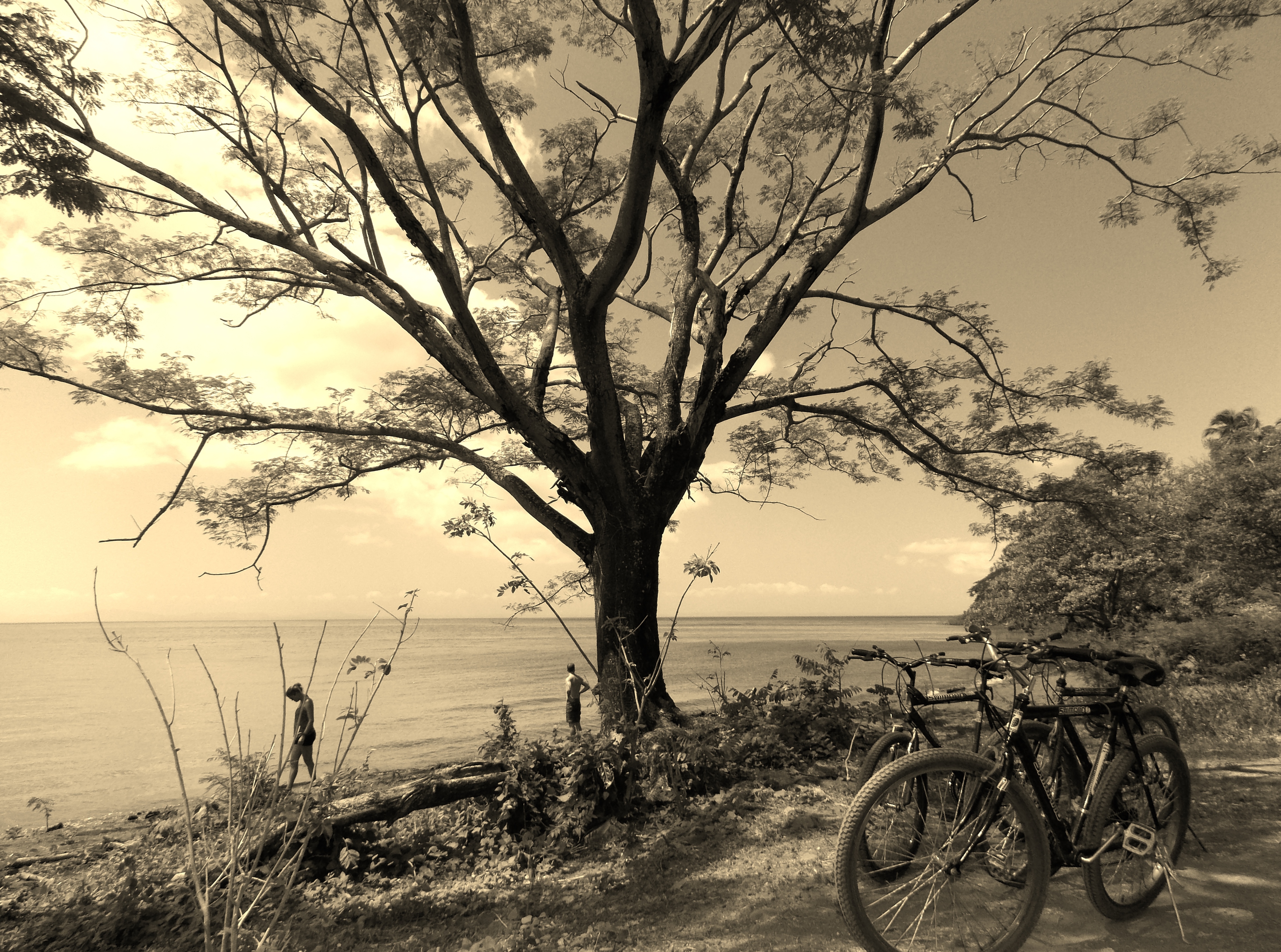
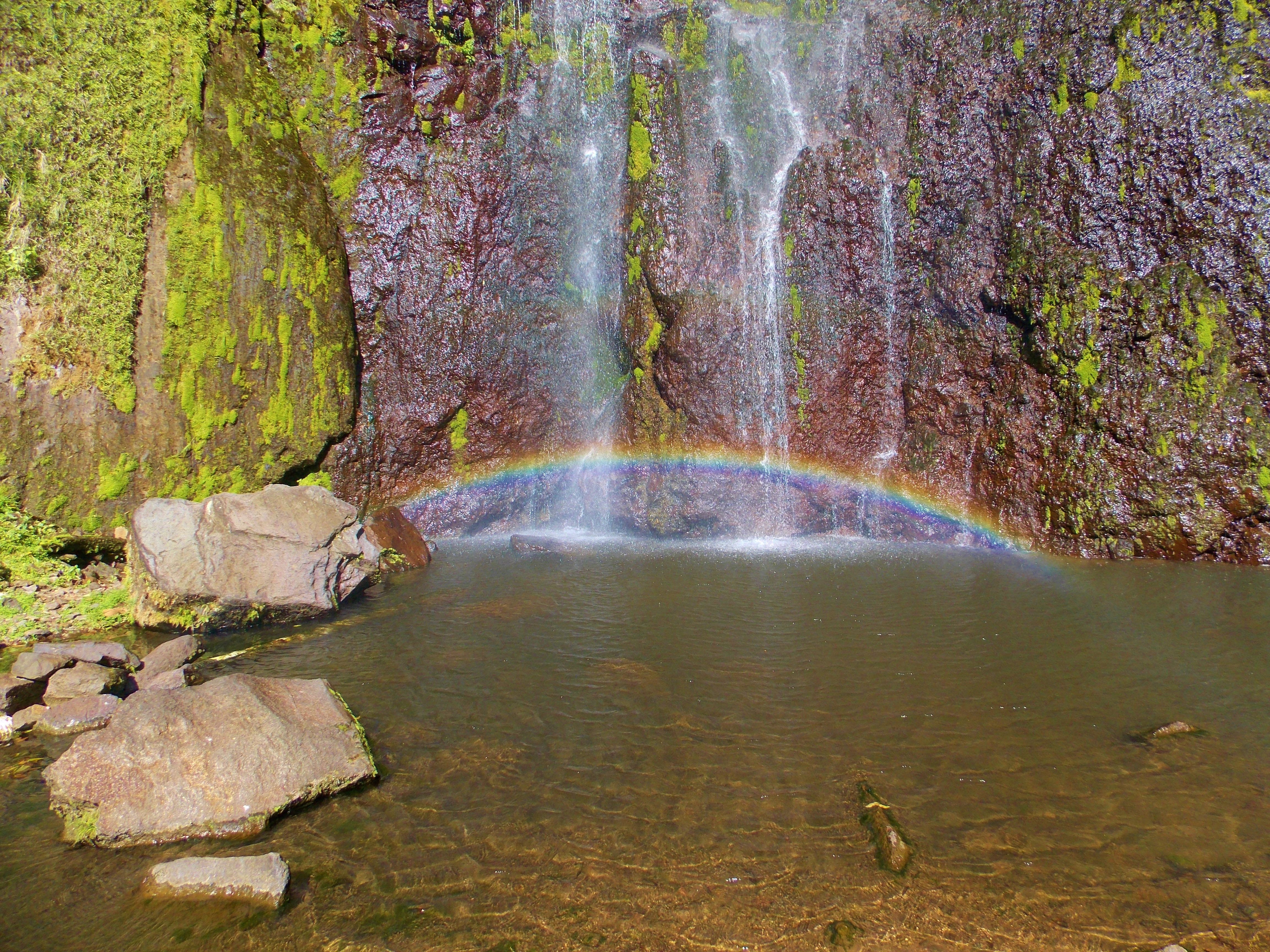
After another day hammock-bound resting our legs we were keen to head out again and so rented mountain bikes and set off south for some reputedly spectacular waterfalls near San Ramón about 8km round the base of Volcán Maderas. This may not sound far, but the paved road ran out after about 500m so most of the ride was spent bouncing over rocks and dust in the midday heat. When Rich’s hands blistered after 5 minutes we knew the day would be a little more challenging than anticipated. We arrived at the base of the trail to the waterfall after an hour and a half of tough riding but the incredible scenery really did soften the pain! It was then another hour and 15 minute hike up to the waterfall – apparently 3km, but the third kilometer was at least 2½ in itself, so we were close to turning back but very glad we didn’t in the end. The falls are a 260m drop down a sheer, fern-dotted rock face into a small pool below, but the water bounces down rather than plummets so that you can stand under it like a shower – and a very welcome cold one at that after the exertion to reach it! Saddle sore and blistered, the ride home was done through gritted teeth, with a beer stop on the way, but the pain again tempered by the sight of the setting sun painting the slopes of Volcán Concepción in spectacular colours in the distance.

Rest stop on the shore

Rest stop on the shore

Living wall on the way up to the falls

Living wall on the way up to the falls

San Ramon falls...finally

San Ramon falls…finally

A fine spot for a shower!

A fine spot for a shower!

Somehow we had whiled away nearly a week here by this point and were feeling rather at home. It sounds clichéd but time seems to take on a different quality here; the pace of life is entirely different and the island does feel like its own little world. We hired a scooter and set out to explore (the section with paved roads this time!) and agreed that of all the islands we’ve bombed around on a 50cc this was definitely the most enjoyable; the shifting views of the volcanoes always impress, the roads were frequently invaded by cattle, horses, pigs or dogs, and best of all – there is a level crossing. Not for trains, but for driving across the island’s perilously short airport runway! An incredible sight that we would have photographed but for the gun-toting security guard operating the barriers…. A short stop at Punta Jesús Maria, a long spit of dark sand that protrudes into the lake and swarms with seabirds was a picturesque stop, as was a well-earned cold Victoria beer at the edge of Playa Santo Domingo on our way back. Sat by the water’s edge you could almost believe you were by the sea, but there is something missing, which we released was the ocean salt-smell. Even when the other side is lost in the haze over the horizon you are always aware you are on a lake.

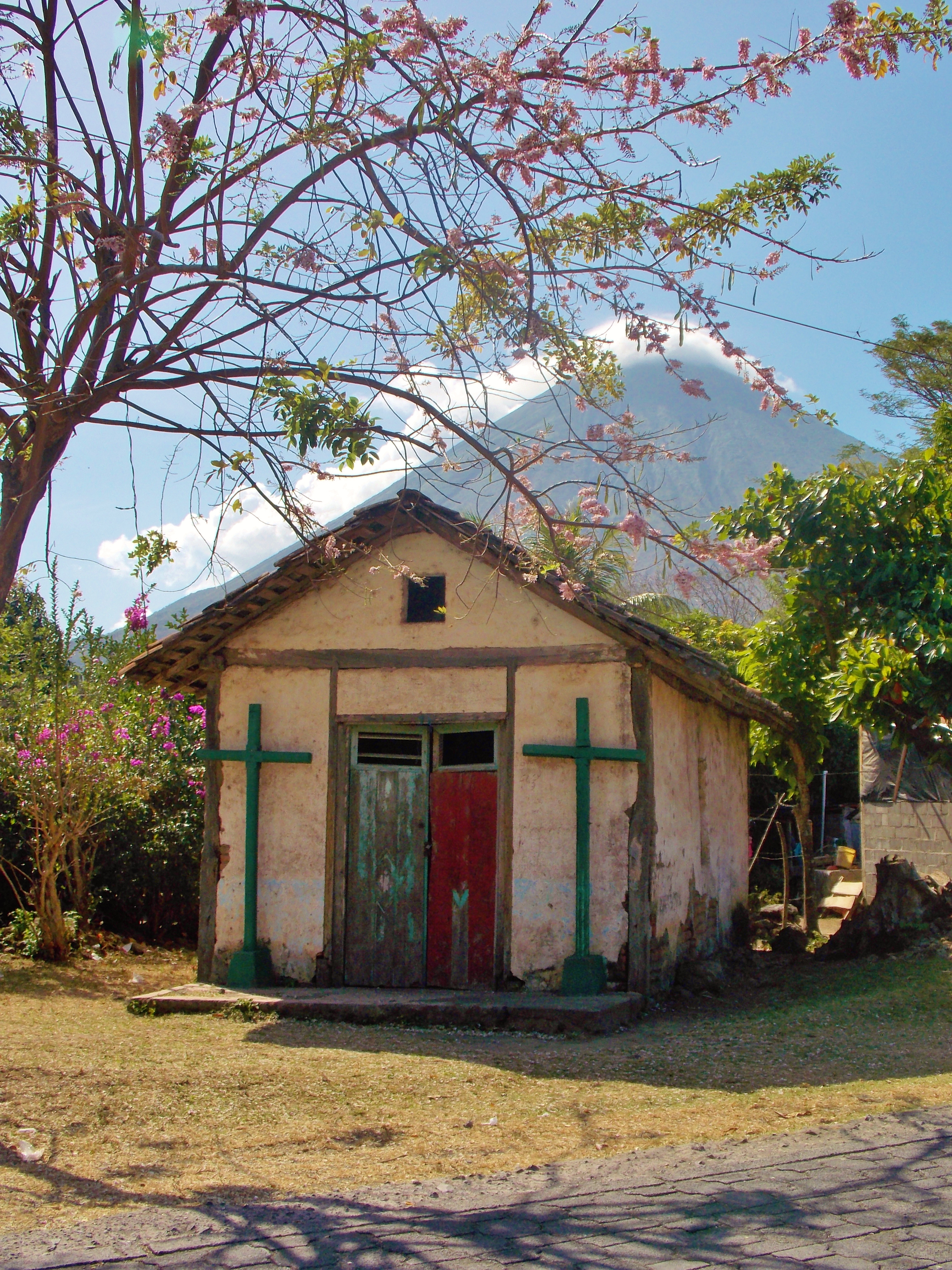
Tiny church under cherry blossom near Santo Domingo

Tiny church under cherry blossom near Santo Domingo

BIRDS! At Punta Jesus Maria

BIRDS! At Punta Jesus Maria

The hairy bikers

The hairy bikers

Plantain truck - Ometepe's main crop

Plantain truck – Ometepe’s main crop

Cold beer after a hot day's scootering

Cold beer after a hot day’s scootering

Ten days on Ometepe offered us the hideaway we were seeking despite being pretty active! Living somewhere so environmentally-focused has given me food for thought on how we could live more simply and cheaply with just a little effort, which was one of the goals for this trip. I’m not sure we’re quite ready for composting toilets and veganism the whole time, but every little helps!

Thanks for reading, a full photo set can be viewed here

x x

Found a friend

Found a friend

Ninja Rich

Ninja Rich