hop on the good foot

This blog is definitive. Reality is frequently inaccurate.


Leave a comment

Baños – Some fresh air and sunshine in the Central Highlands

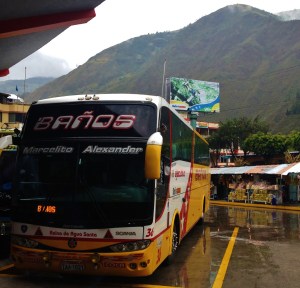
Banos bus funSlowly moving our way back North up the Andes towards Quito we decided to spend a couple of days in the popular town of Baños (de Agua Santa) to see what all the fuss is about.  Leaving from Alausí we took a bus to Riobamba, then another to Ambato, where we then tracked down another bus taking us on to Baños itself. A note on Ecuadorean buses if I may.  They are pretty comfortable and cheap, and when out of the city centre have a relatively good seat-to-person ratio going on.  But my god, every bus, and I mean EVERY bus, the ONE person who doesn’t have a seat, perches themselves next to me.  There is a whole aisle-worth of people’s personal space to encroach upon, but oh no, “let’s go and wake up that güero who has just tried to get to sleep for three hours by sitting on his arm rest and trying to share the head rest.”  I swear I went through an entire bus journey the other day where the elderly female passenger behind me felt the need to claim ownership of my headrest by putting her hand where my head wasn’t.  Obviously when I decided to move my head on the odd occasion, this became an irritation and the need for some angry stares from both of us. She had those scary eye’s, so I put up with some hair stroking for a couple of hours in the end.

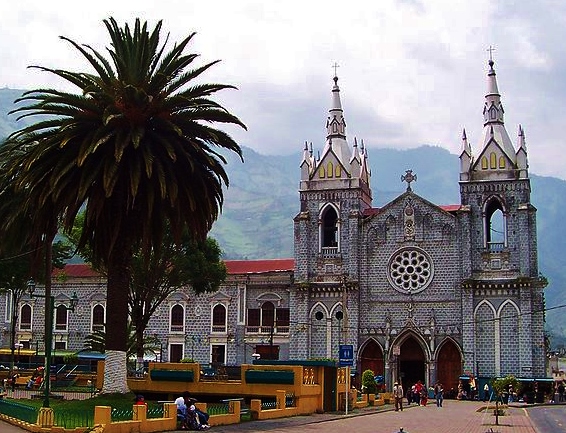
Baños Cathedral

Baños Cathedral

Baños is the place to go if you like the idea of lying around in naturally heated thermal pools, mountain biking, rafting and various other outdoor activities.  It is set at 1800m and in the presence of the ominously near, yet hard to spot Volcan Tungurahua.  It last erupted in February this year!  The town itself is not a colonial gem by any means, but it is pleasant enough and has a couple of green squares (maybe one’s a park, I’m not sure) with a varying selection of restaurants catering to both locals and tourists.  Anywhere you find a micro-brewery; you know you’re going to find plenty of gringos.  Hostal Timara, owned and run by an Ecuadorean family that includes a Brit by marriage, was a great place to stay, for $7 a night each with hot showers, comfy beds and good kitchen.  We look for nothing much more these days…but the addition of a nice British chat about things such as the weather was just the tonic.

Taxo fruit - Pretty weird looking, but quite tasty in a passion fruit kinda' way

Taxo fruit – Pretty weird looking, but quite tasty in a passion fruit kinda’ way

What we really wanted to do there was to get out and hike the hills around the town as we were feeling a bit twitchy after being cooped up for a week.  Luckily, the weather was fine and the walking was free so up into the hills we went for the day.  One block south of the hostal entrance the path lead out of town and into a steep 45 minute climb towards the easterly look-out point of the ‘Bellavista Cross’, which gives you some stunning views of the town and the surrounding hills.  Only a short walk out and it suddenly feels like you are miles away!  Heading uphill but in a westerly direction we headed for the small town of Runtún, which took us along a variety of paths from empty roads to overgrown canopy covered muddy paths.  Arriving at Runtún, we found little there apart from a pack of aggressively vociferous dogs that succeeded in chasing us out.  We realised quickly that we didn’t know where we were or where we were going, but soon came across a local farmer who gave us directions and a strange juicy fruit called a babaco for the road (tastes a bit like tropical squash drink really).  Back on track, we wound round the hills of Baños in a westerly direction until we came to the holy (and pretty knackered looking) statue of ‘The Virgin’, which has some more choice views of the town.  A spot of lunch up top saw us right and we made the descent down the flight of 600-odd concrete steps to town below.

At the western edge of the town, we find the cemetery and decide to have a respectful mooch around before hitting the beers.  As you walk in, you are surrounded by rows of mausoleums, some full, some not, some grand, some humble, but all side by side and decorated in personal styles.  There are larger apartment like blocks for various working unions as well as family units. It’s clearly a close-knit place as the majority of (former?) inhabitants seem to be named Guevara. Individuality and freedom of design (to a certain extent) is clearly allowed here, with some interesting structures on show.

What is one thing that all travelers should do on a visit to Baños?  Visit the thermal pools of course!  We did not though.  Mainly because we were there at the weekend, and on attempting to visit on a Saturday afternoon found them heaving with Ecuadoran families.  The places were literally bursting at the seams with half-cut adults and excited children.  Not the relaxing spa experience I envisioned.  The next day, it rained, so we skipped it.  There will be other pools along the way I’m sure!

Sugar cane toffee called Melcocha is for sale at every turn in town in Banos

Sugar cane toffee called Melcocha is for sale at every turn in town in Banos

It would have been nice to stay longer and mountain bike down to Puyo but we had to head back to Quito for a medical appointment.  Nothing serious, just some physicals for visa purposes for one the countries on our hit list.  We stayed in the Old town area around San Blas again, but this time in ‘Colonial House’ which I would recommend over our previous choice.  It’s cheaper, comfier and quieter at night, with a kitchen!

Back in Quito!

Back in Quito!

What we did take advantage of while we were back in the big city, was to visit the IGM offices (Instituto Geográfico Militar) where you can get printed maps of any area of the country for about $3.50 each. Of course, if you want access to any sensitive areas, you may be asked some questions by the nice teenagers with automatic weapons and camouflage, but for our purposes, we got a couple for the Quilotoa Loop no probs.  (Les, couldn’t help think that this is somewhere you would have loved!)  After being given a clean bill of health by Dr Sosa and his radiologist sidekick we celebrated the only way we know how these days, with pizza and wine. 

Next stop, further south again…to tackle the Quilotoa Loop for a week.


2 Comments

Cuenca and Alausí – A week in the city of churches, the Inca ruins of Ingapirca and a ride down the Devils nose.

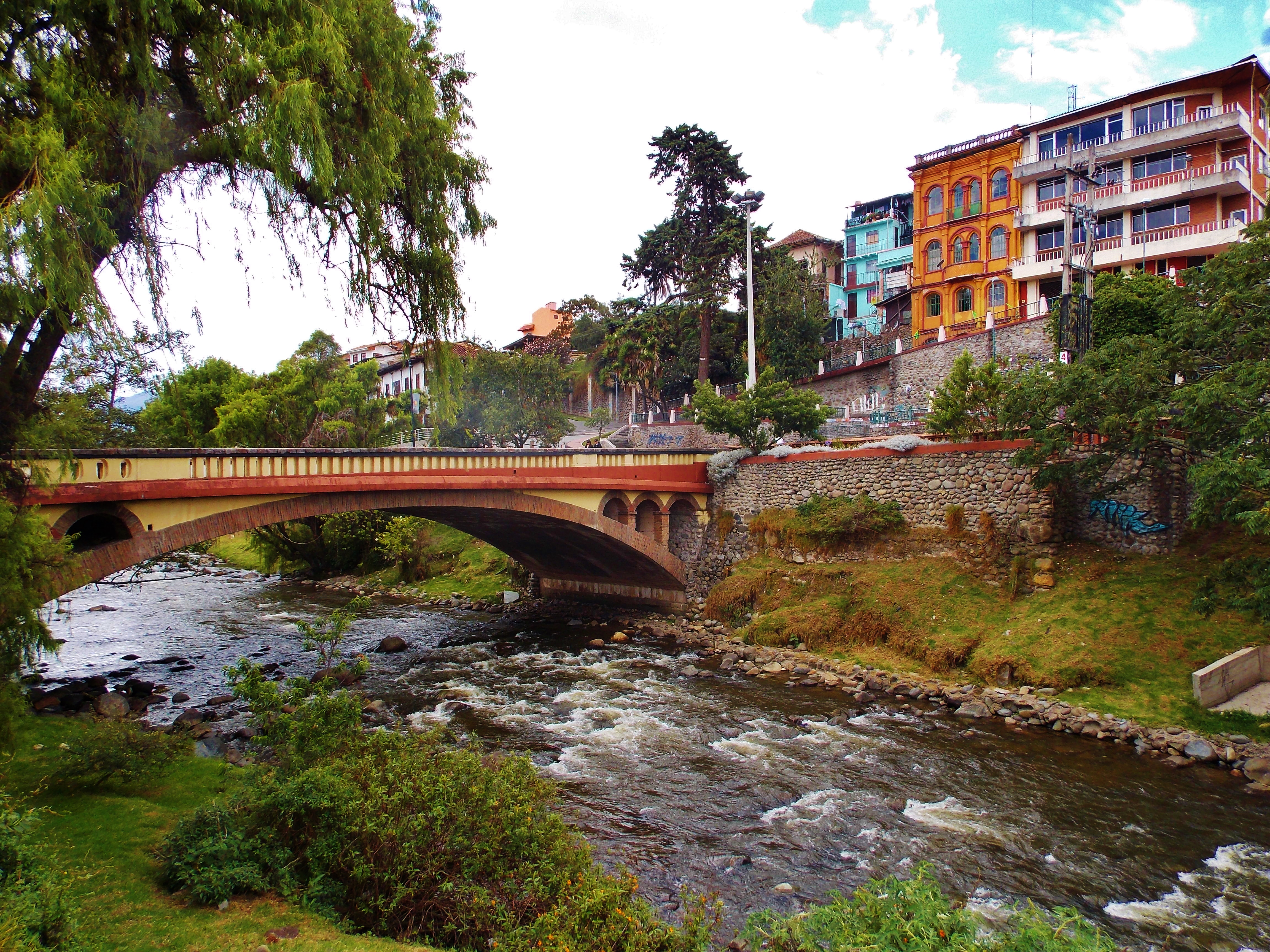
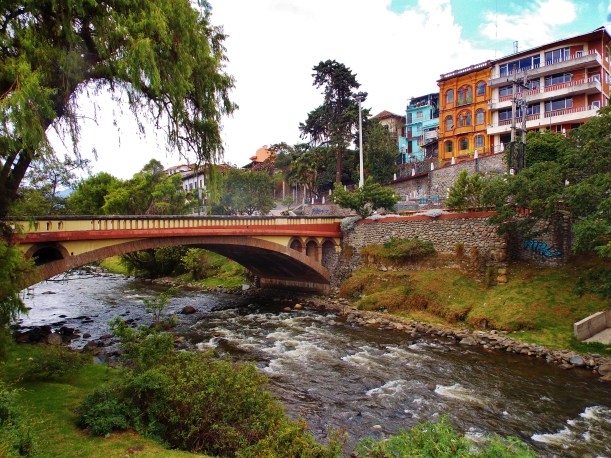
The banks of the river Tomebamba in Cuenca

The banks of the river Tomebamba in Cuenca

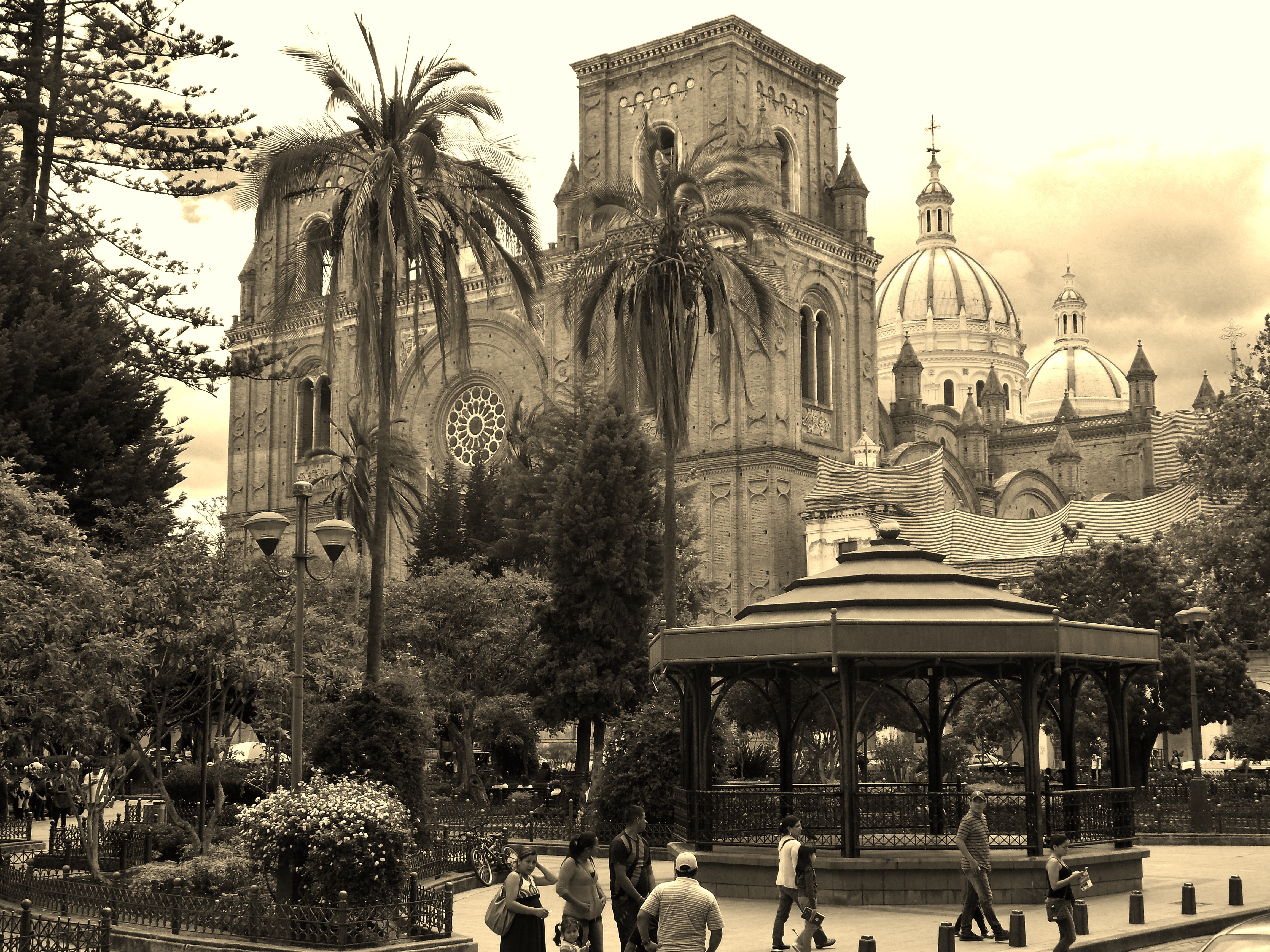
Cuenca was the next stop for us, which is 10 hours south of Quito down the Andes in Azuay province.  It sits pretty high still, at about 2530m and is a UNESCO world heritage site due to its well preserved colonial architecture, handsome plazas, pre Colombian ruins and endless supply of churches.  To get there, we took the worst night bus ride ever courtesy of Panamericana, leaving at 10pm from Quito’s new town.  We knew it was a bad omen when, at midnight, we all got booted off the bus at the side of an anonymous stretch of the highway and were told to wait for another bus…for no reason.  Then, when we got on, the remaining eight hours were sleepless and uncomfortable due to the driver tazzing it down the Andes at breakneck speeds.  Hard to stay in your chair, let alone sleep.

Calle Larga
Calle Larga

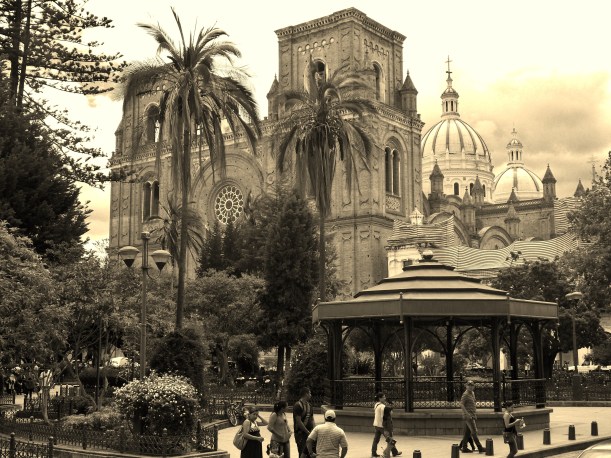
The Cathedral of the Immaculate Conception

The Cathedral of the Immaculate Conception

We stayed in Cuenca for a whole week.  This was not the plan but there were a combination of things that kept us there.  Firstly, we both felt unwell.  Ollie more than I, but we ended up spending a couple of days in bed.  I reckon this was our bodies still adjusting to the altitude, nothing life threatening.  The rest of the days we were waiting out the unpredictable weather, so we could go hiking in the Cajas National park.  We have since learned that the weather in Ecuador, in the Andes at least, is incredibly unpredictable and if you want to do anything active or with a view, you must get up early with fingers crossed.  Anyway, we managed to lose a week there…

The domes of the Cathedral of the Immaculate Conception

The domes of the Cathedral of the Immaculate Conception

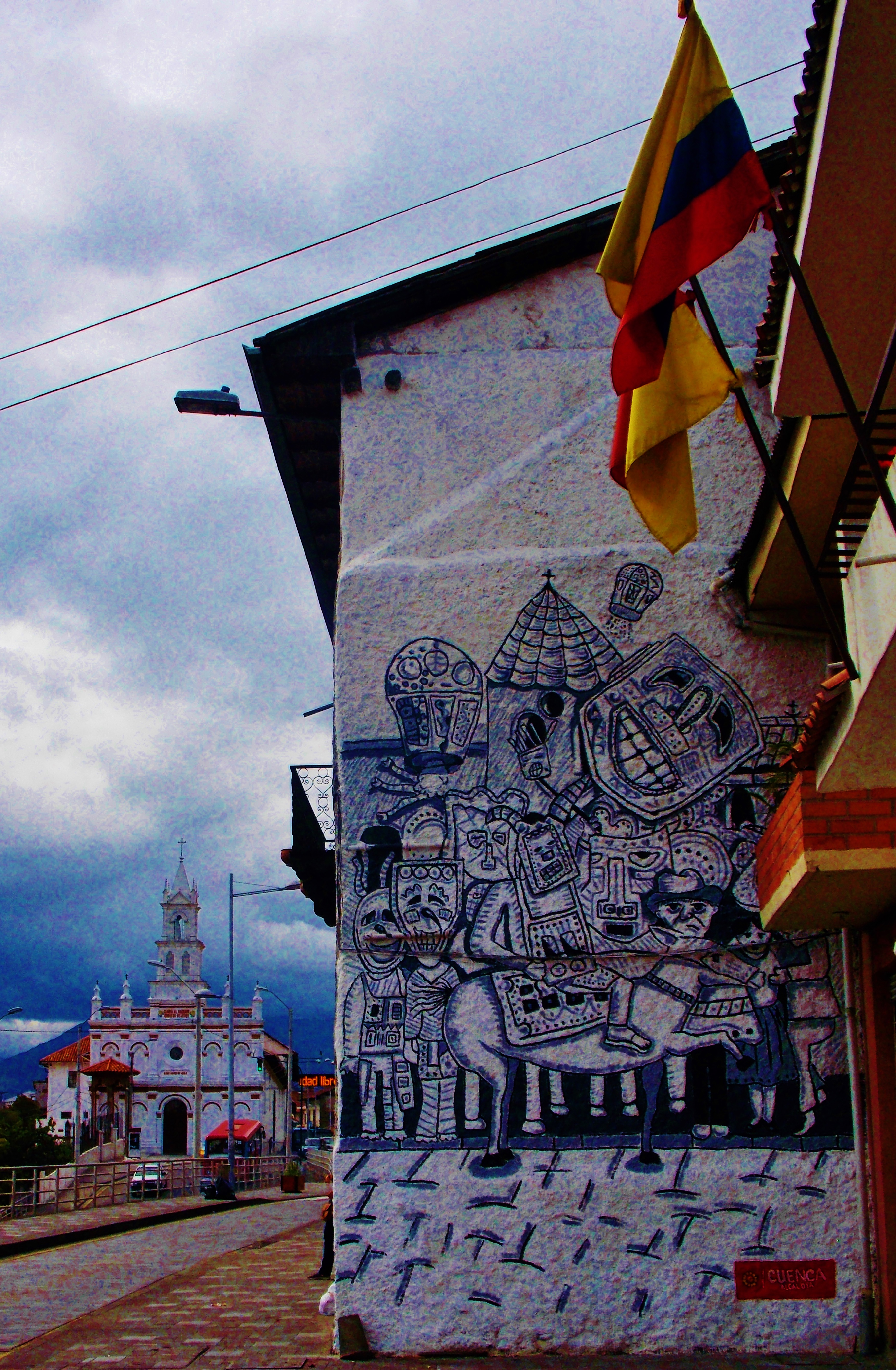
Cuenca street art
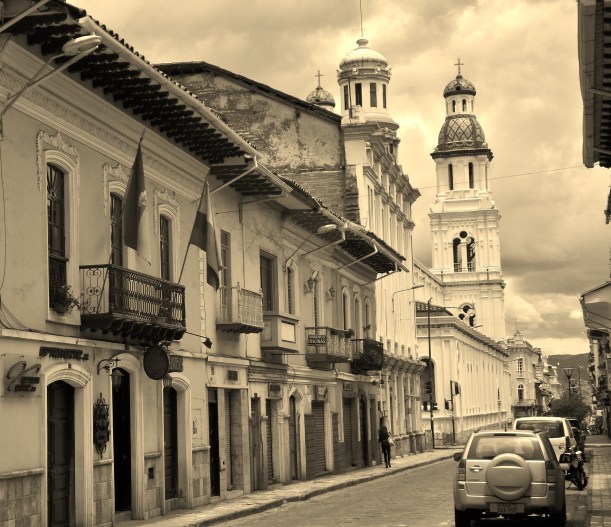
Cuenca street art

A church on every corner in Cuenca

A church on every corner in Cuenca

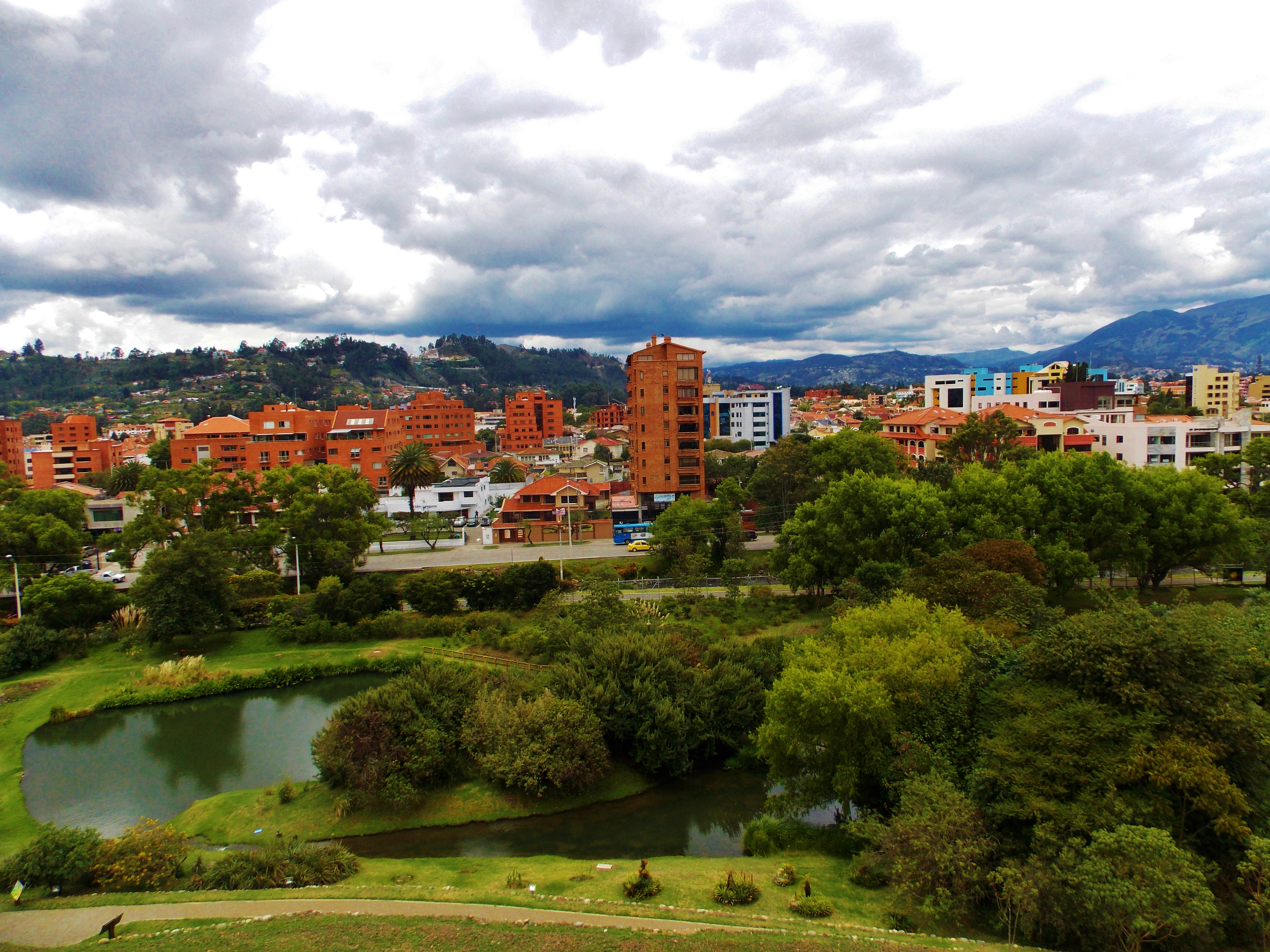
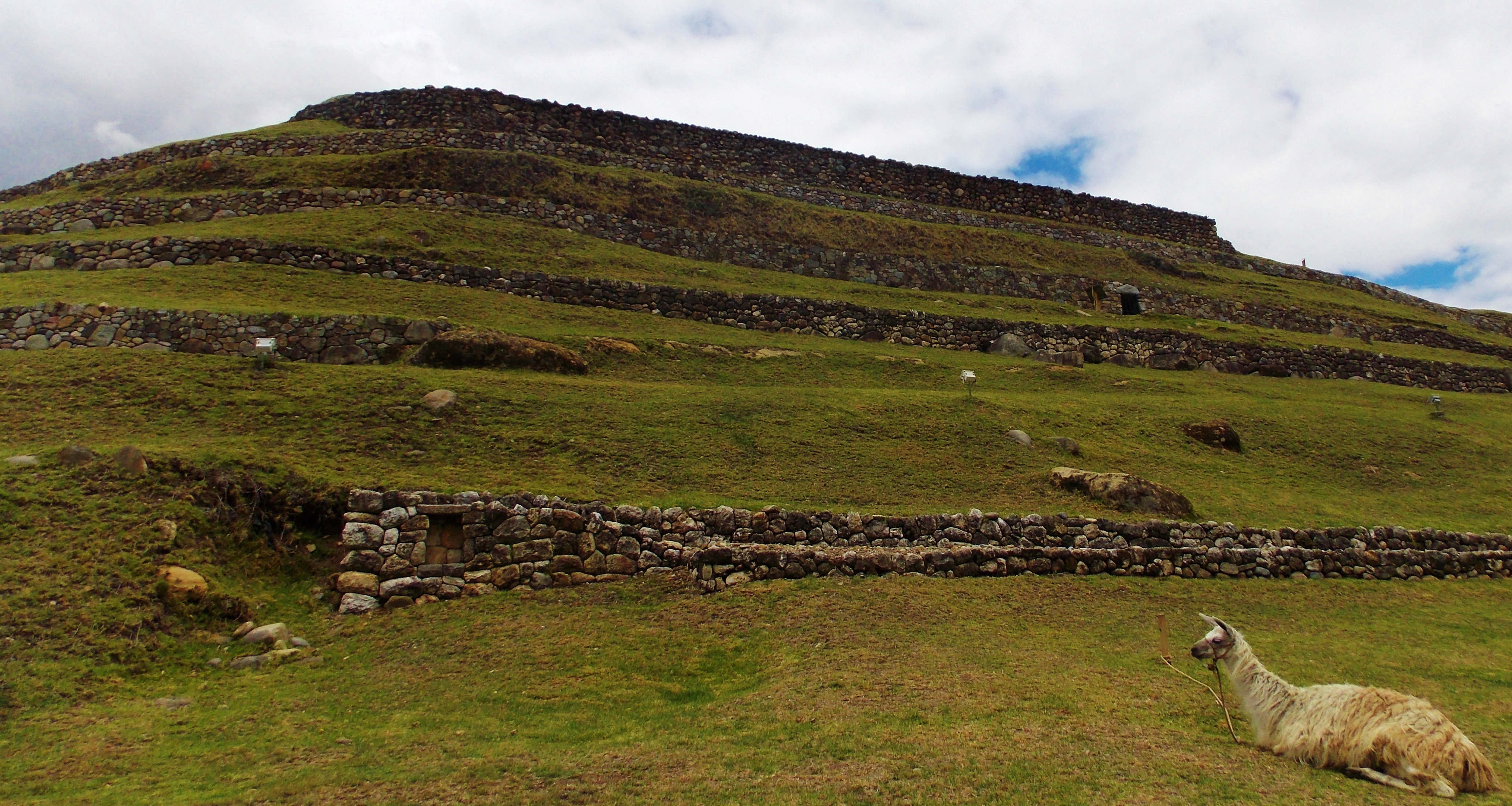
After getting a feel for the city by wandering around we decided to pop down the bank for a day out.  Not just any bank of course, this one has a free museum attached to it named creatively the ‘Museo del Banco Central’.  It houses a few exhibitions, one of which was a jumbled history of the Cañari people and their amalgamation with the Incas when they arrived.  It also houses a selection of paintings and sculptures from Ecuadorean artists as well as a whole floor dedicated to the history of Ecuadorean money.  (No mention about the fact that the US Dollar is now the main currency.)  The museum leads out to the Inca ruins of Pumapungo, “the door of the puma” in Quichuan.  They are not as impressive as the ruins we have seen before due to the fact that the Spanish dismantled most of it to use the stone to build Cuenca during colonisation but nevertheless, walking around the hillside gives you some great views.  There is also a little menagerie with a selection of fun birds in some peaceful gardens at the bottom.

Exploring Ollie

Exploring Ollie

Over the river in Cuenca

Over the river in Cuenca

Pumapungo...with llama

Pumapungo…with llama

The gardens of the Bank Museum

The gardens of the Bank Museum

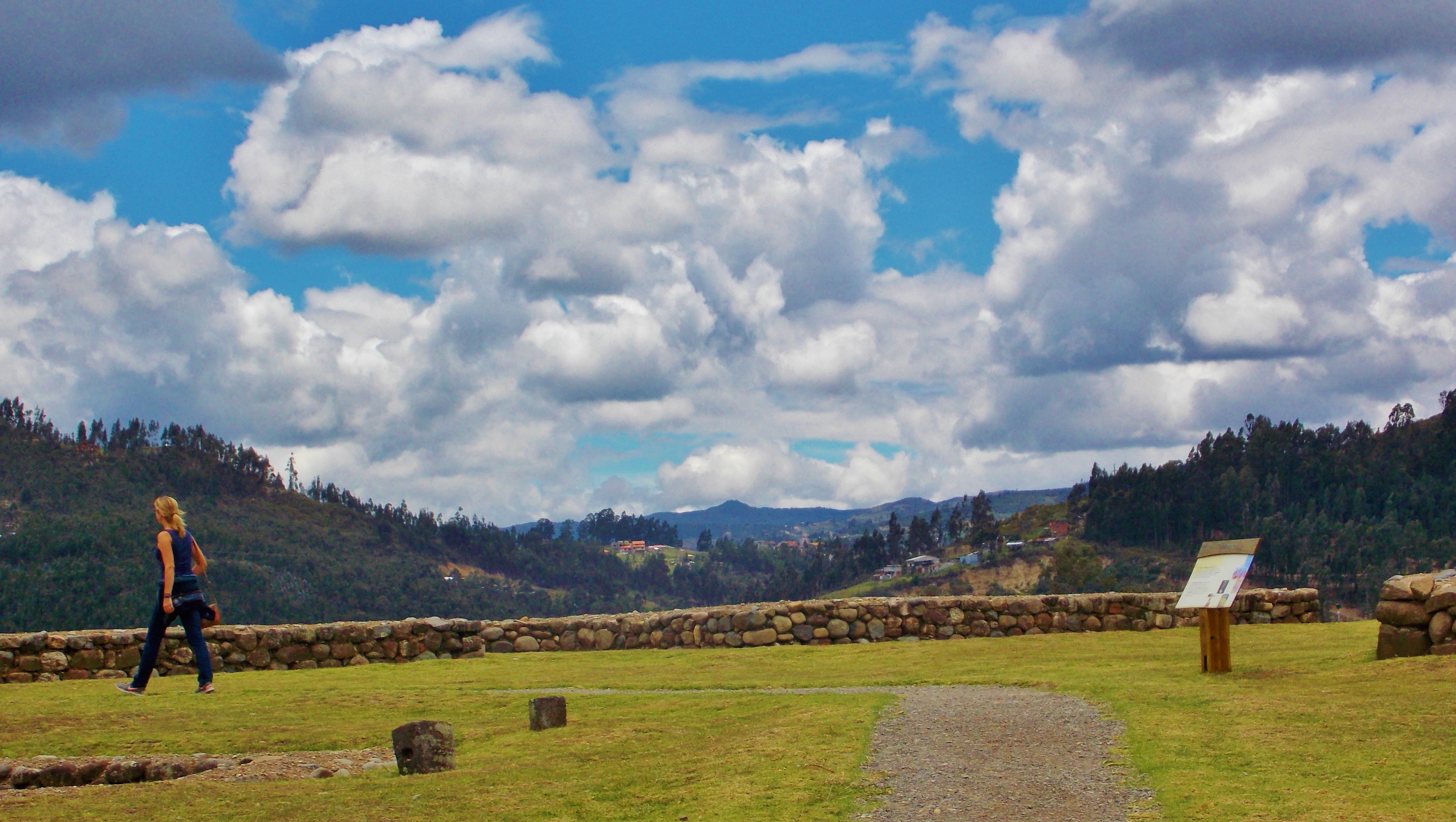
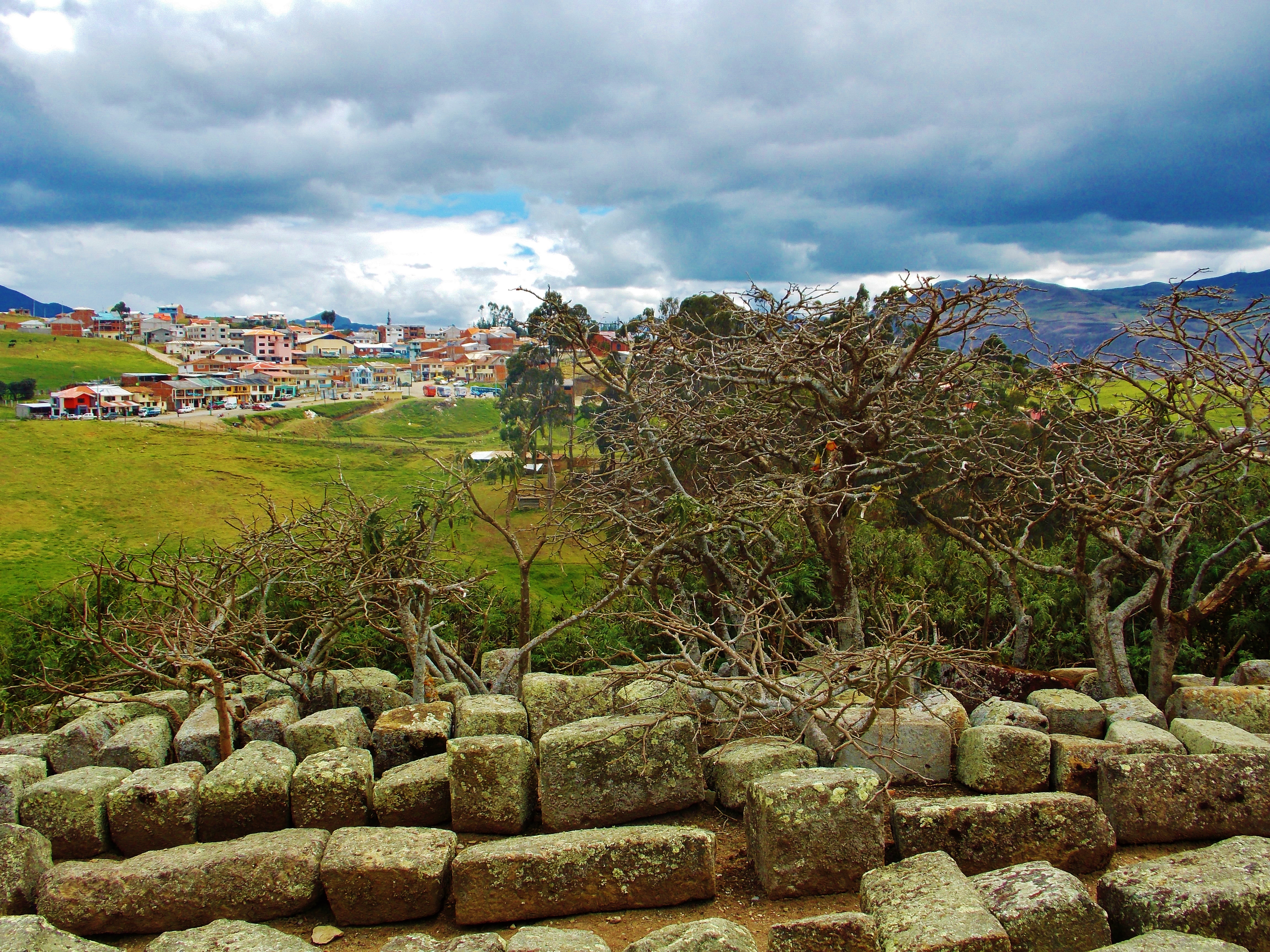
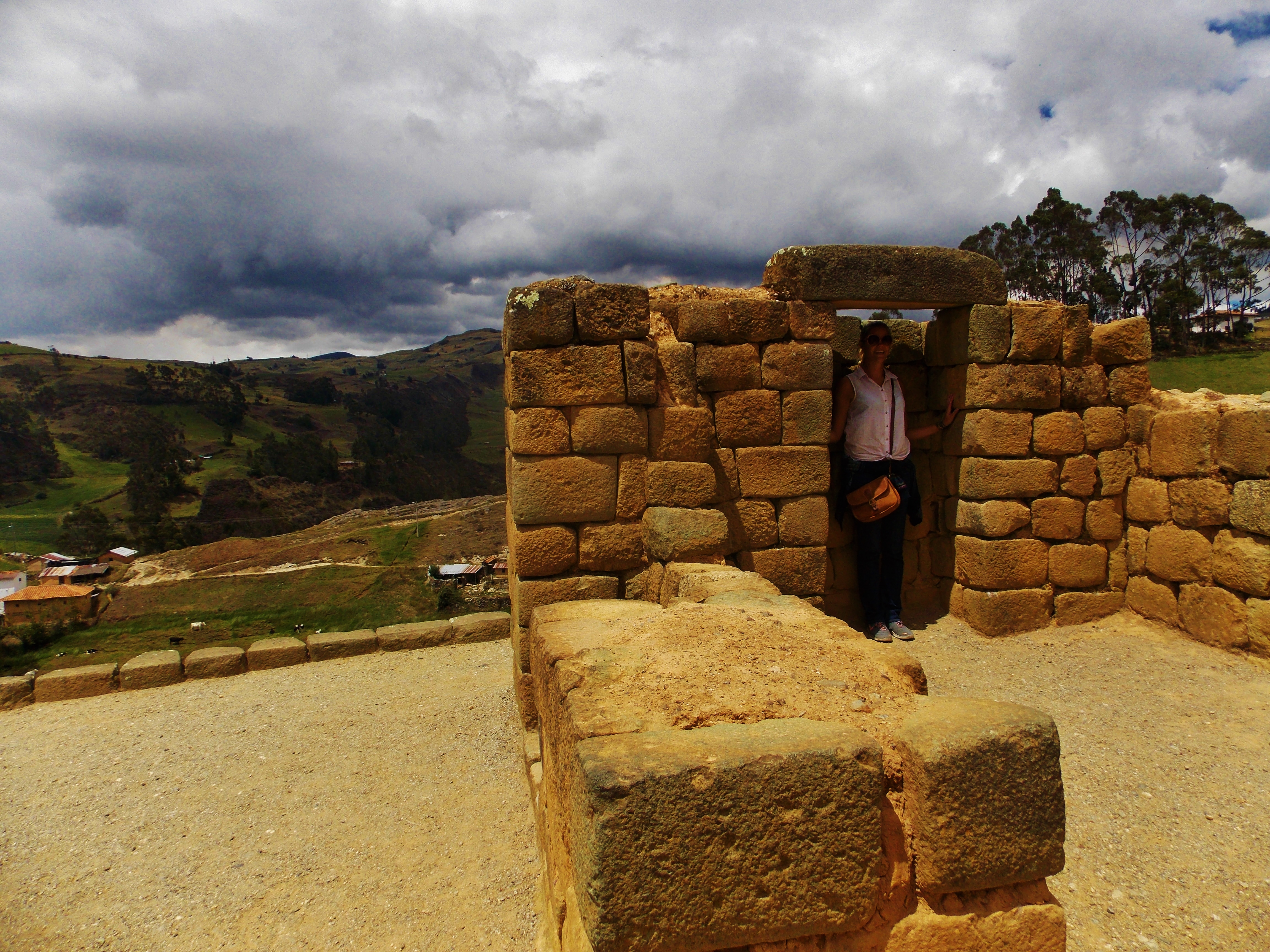
A few days later we took two buses to the town of El Tambo about 3 hours away to visit the ruins of Ingapirca, Ecuador’s main Inca ruins site which sits at 3200m up in the clouds.  A free guide helped bring the place to life for us, and explained that the site is a mix of both Inca and Cañari architecture.   The guide did not mention that the Cañari fiercely resisted the Incas for many years and would have you believe they simply came together peacefully. While the site of Ingapirca is a great example of the ‘respect’ the two cultures had for each other as shown in the architecture, with the Cañari temple of the moon on one side and the Inca temple of the sun on the other, nothing is mentioned about how the Incas slaughtered the majority of the male Cañari population on conquest, or how the Cañari allied themselves with the Spanish to defeat the Incas.  Truth or not, it’s a pretty special little place to wander around.
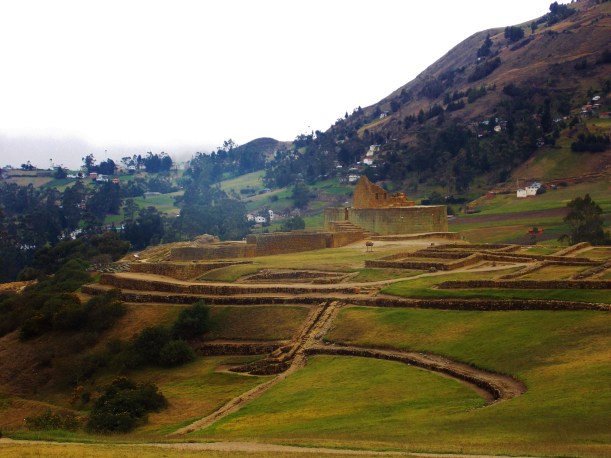
Ingapirca ruins
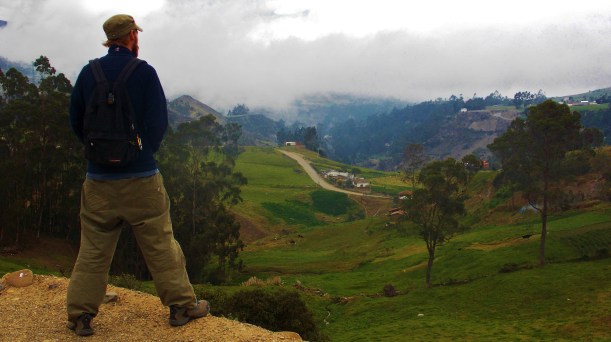
Ingapirca ruins

Not having a wee...

The sun temple of Ingapirca

The sun temple of Ingapirca

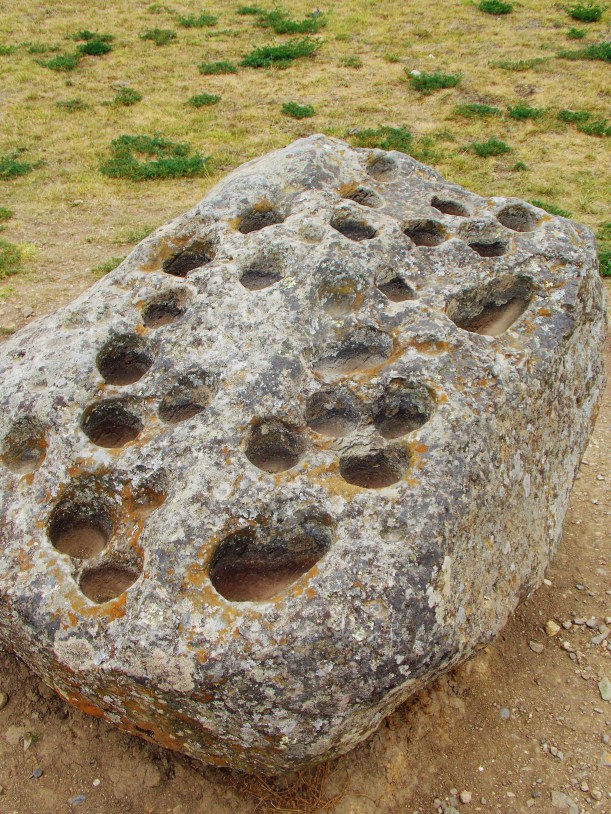
Astrological rock - The holes were filled with water so they could watch the reflection of the stars

Astrological rock – The holes were filled with water so they could watch the reflection of the stars
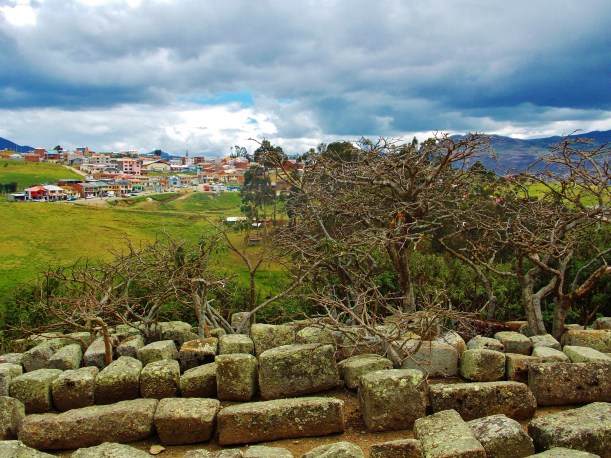
Overlooking the nearest town at Ingapirca

Overlooking the nearest town at Ingapirca

Ollie playing with Incan acoustics

Ollie playing with Incan acoustics

I’m going to talk about hats now.  This is the place for hat lovers.  More accurately, the Panama hat.  Even more accurately, the Montecristi hat.  Everyone knows what one is, but in case you don’t here’s a photo of me wearing one a few years back on our Honeymoon in Italy.  The word you’re looking for is dashing!
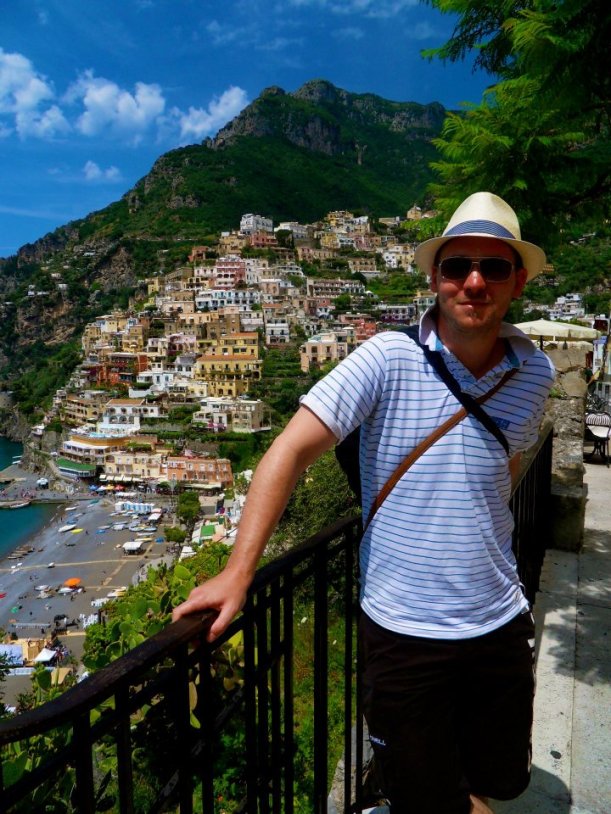
Panama hat wearing in the Amalfi coast in 2012

Panama hat wearing in the Amalfi coast in 2012

And just for fun, here is what I am currently looking like.  The boy band curtains were beer induced…

A fine pint at the brewhouse in Cuenca

A fine pint at the brewhouse in Cuenca

Anyway….

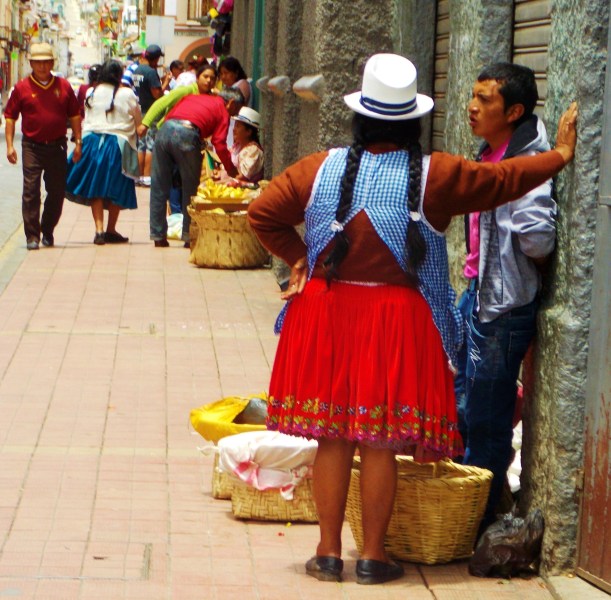
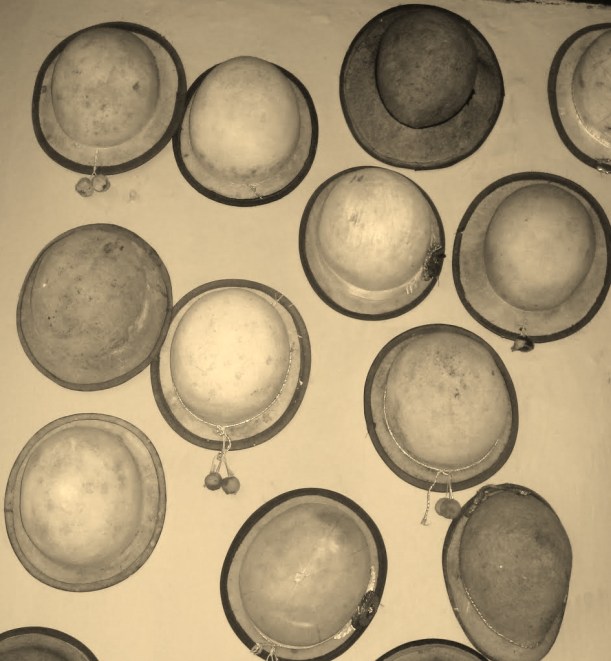
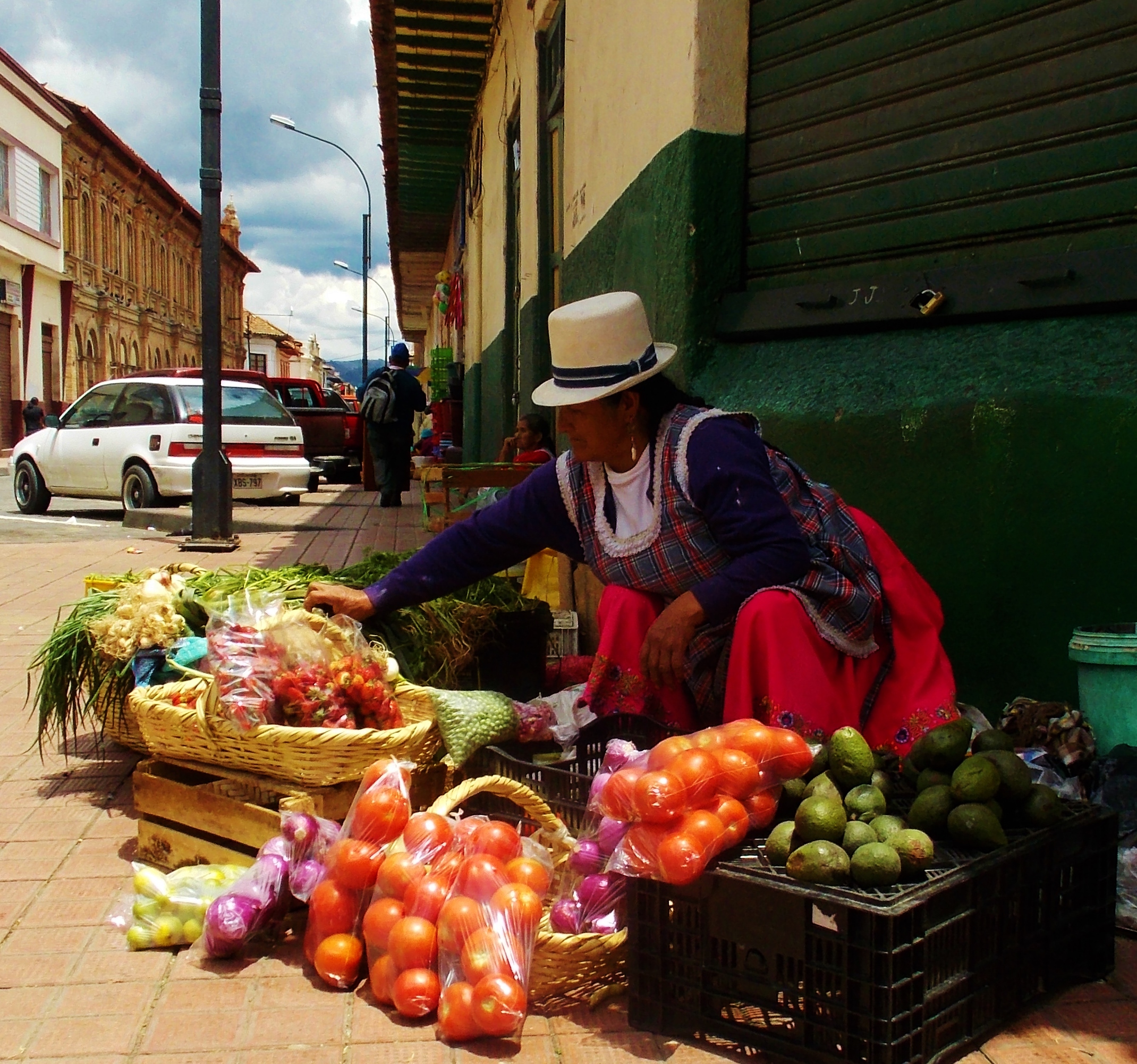
These hats became known as Panama hats because the Spanish shipped them back from Panama, but were actually made in Cuenca.  Posh hat shops are everywhere.  Gringos walking around wearing all kinds of expensive and fun hats is just part of the rich texture that makes up this wealthy little city.  But the hat fun doesn’t stop there!  The local women all wear these hats along with the rest of their traditional dress and braided hair.  It is a strange sight first of all, but it is so common, that after about an hour you stop double taking.  Hats are obviously very important to the people of the Andes as we noticed the further out we went.  The favorite seems to be a kind of dark green felt Trilby type hat worn as part of standard dress along with a poncho. Then there are the Cañari people who favor a sort of thin brimmed stiff white bowler hat.   I do wonder if these hat fashions were adopted after the Spanish conquest or if by some great coincidence the ‘Trilby style hat’ was created independently in both the Americas and Europe.  All very fun, but enough talk about hats.
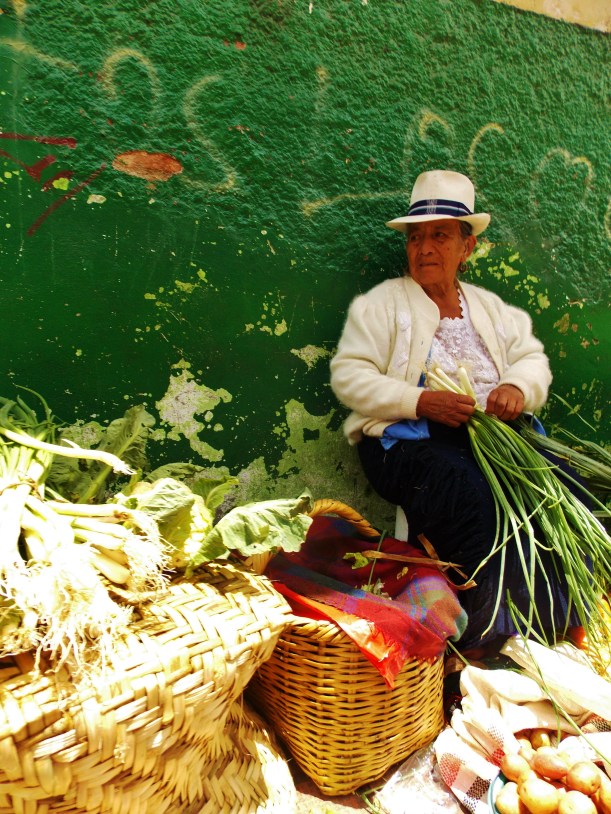
Traditional Montecristi hat
Traditional Montecristi hat

The traditional dress is worn only by women - Men seemed to have abandoned it for modern attire.

The traditional dress is worn only by women – Men seemed to have abandoned it for modern attire.

Rocking the fine hat to sell fruit and veg
Rocking the fine hat to sell fruit and veg

Traditional Canari Hats.  Photo from rochesincuenca blog

Traditional Canari Hats.

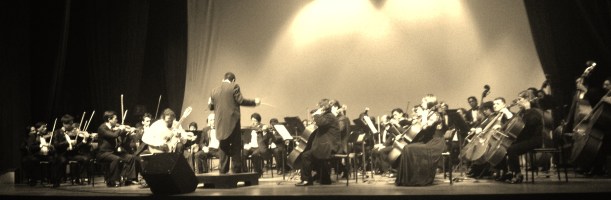
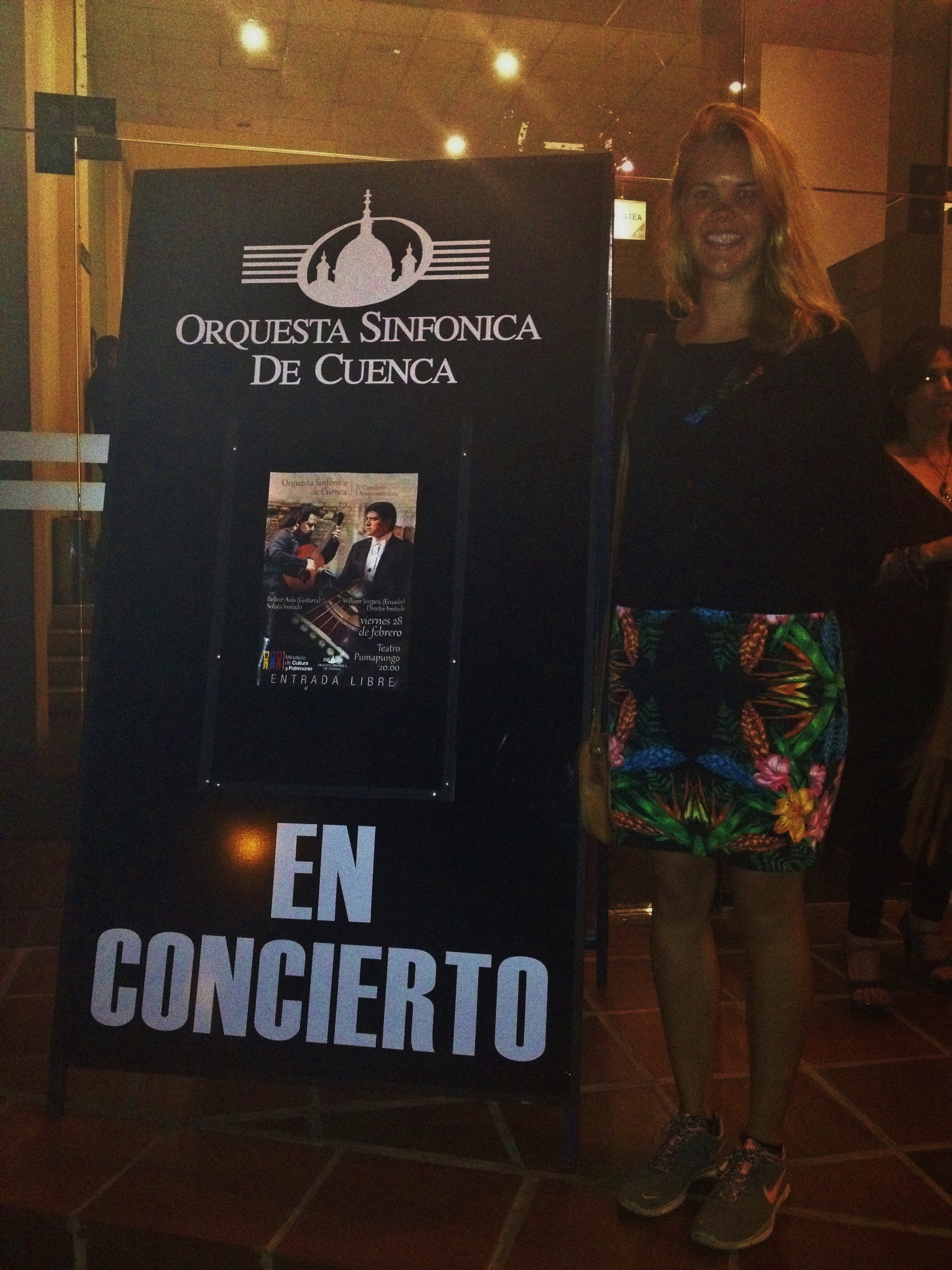
Another visit down the bank, but this time to their auditorium for a night of free music courtesy of the Cuenca Symphonic Orchestra.  I of course have no clothes suitable for an evening of culture such as this, but Ollie gladly puts on a fine dress and marches me down there.  On the way she gets squirted by an eager passenger of a passing car with some kind of foam, as they were obviously too impatient to wait for Carnival to start.  Regardless it was pleasant change of pace and enjoyable night out.
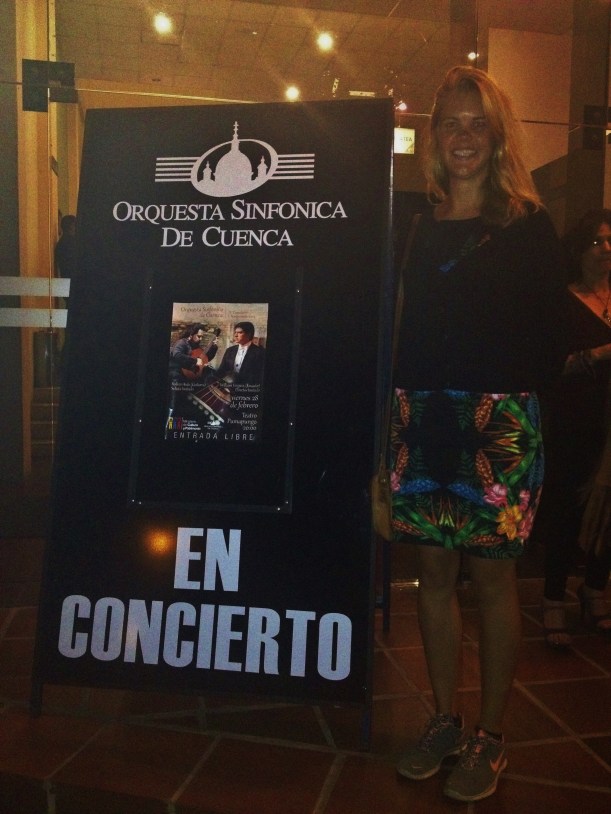
Ollie happy at being able to wear a dress

A night at the Symphony in Cuenca

A night at the Symphony in Cuenca

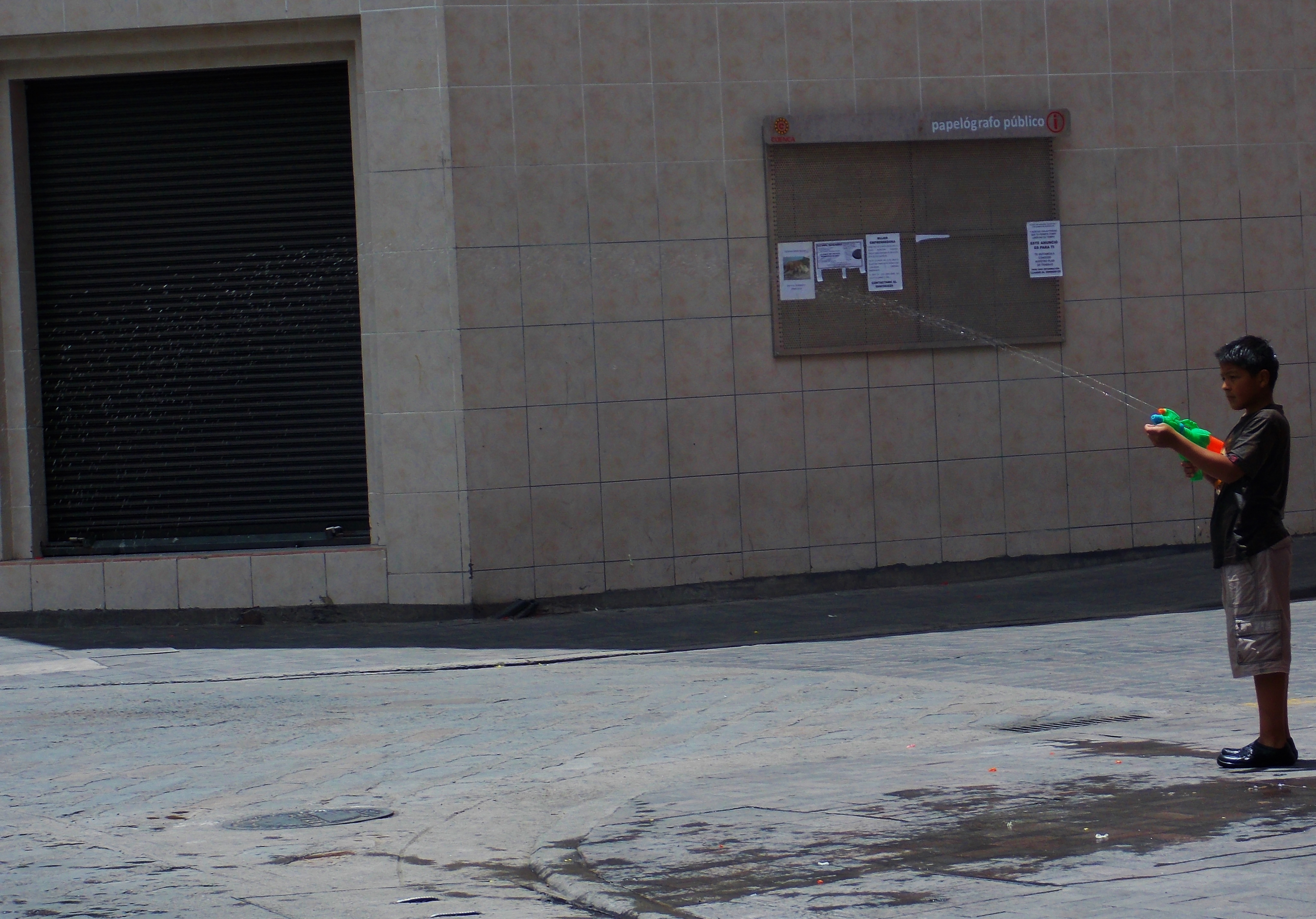
Carnival time!  Everything shuts down from Friday to Wednesday because it’s like a massive bank holiday.  People go mental.  Adults and children alike have a burning desire to cover each other in as much flour, water or foam as possible.  Walking the streets is dangerous, as an attack can come from anywhere.  Luckily, due to much evasive action, and turning around to go back the way we came, we didn’t ‘get it’ much. Never in a million years would it be socially acceptable to pelt a passing motorist in the face with a water bomb through an open window or pelt a stranger with flour and water from a moving truck or balcony.  All of these things would result in a swift call to the police back in Blightly…but not here.
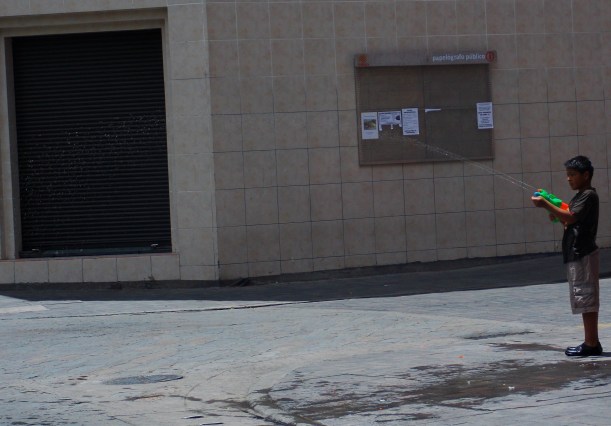
Carnival water gun fun - You understand, this is the only photo I could get.  Any of the bigger lads would have soaked me and damaged the camera!

Carnival water gun fun – You understand, this is the only photo I could get. Any of the bigger lads would have soaked me and damaged the camera!

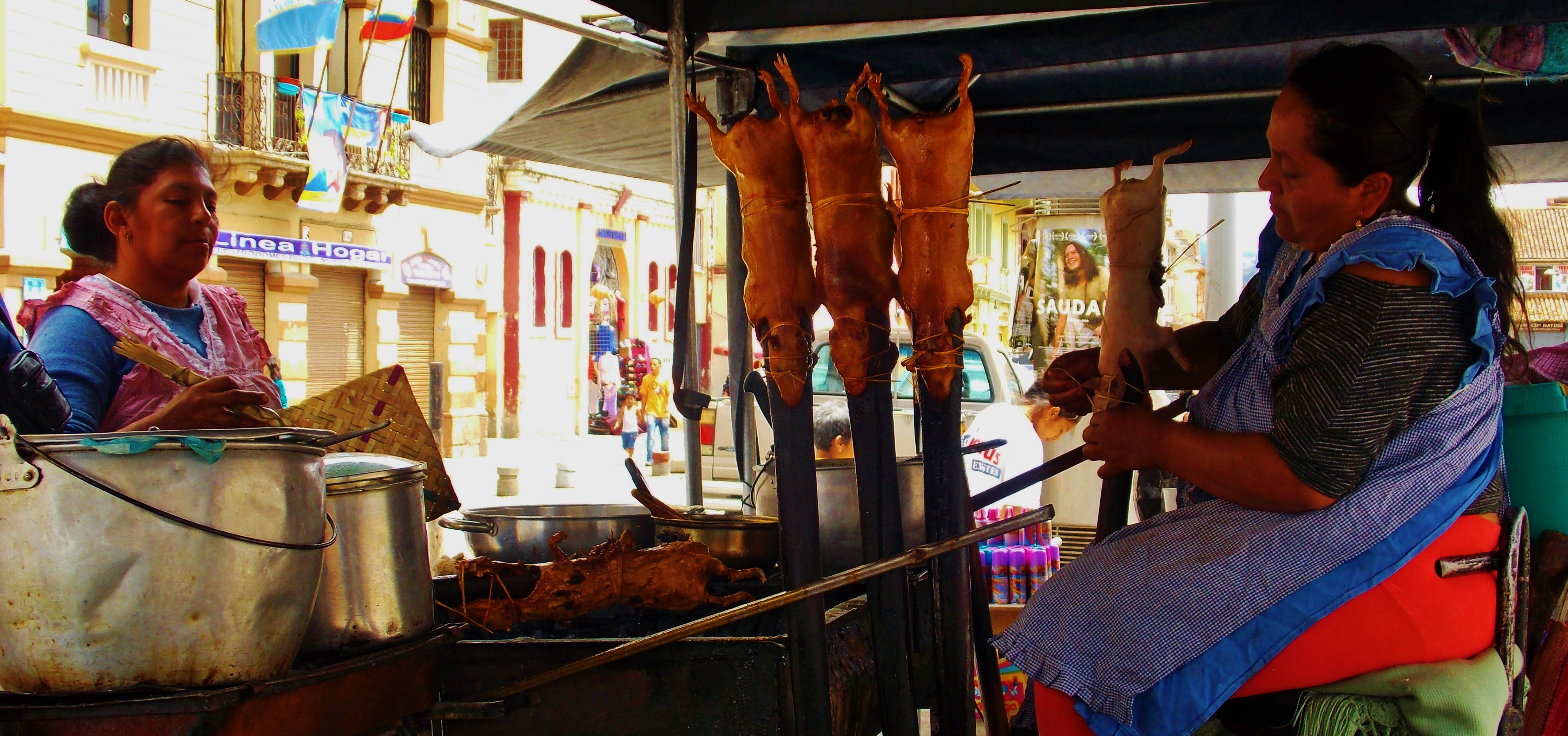
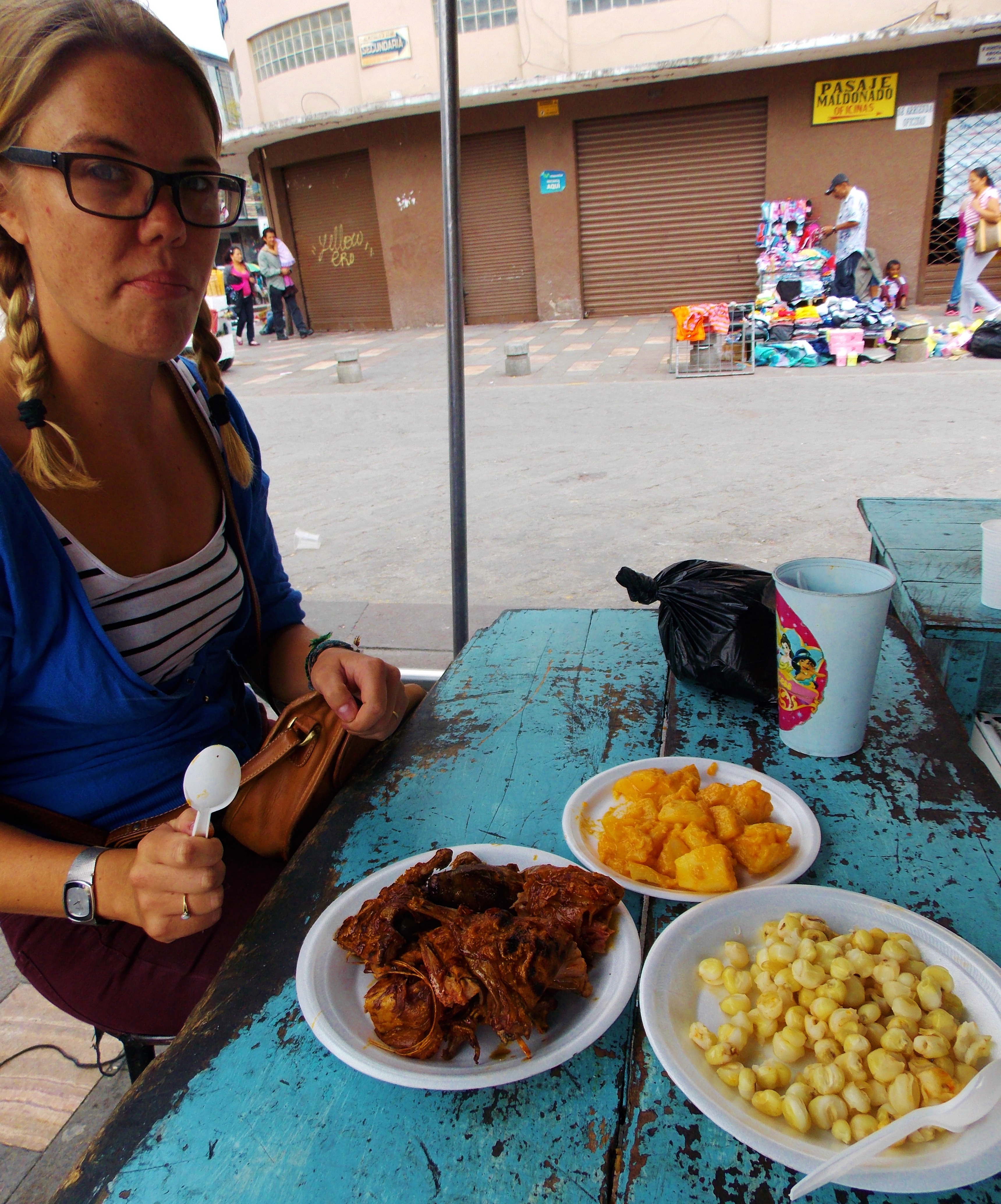
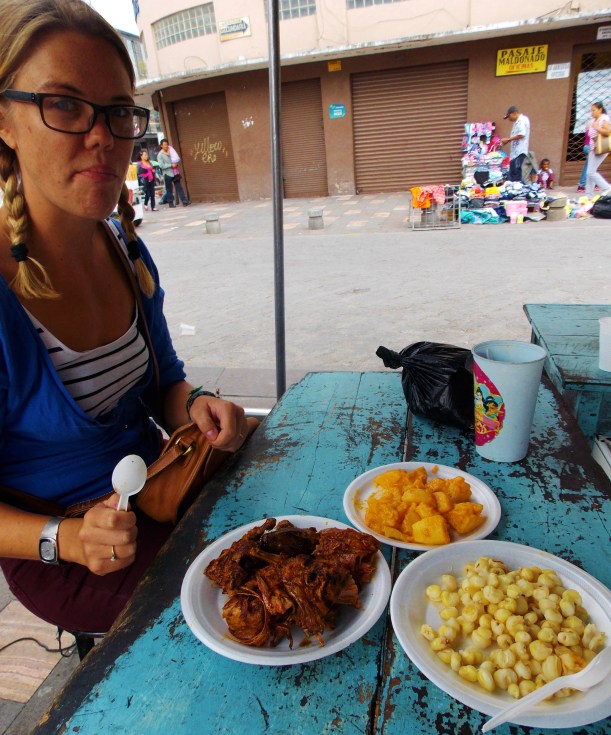
Carnival time was a wet affair with heavy rain on both days, so the streets were not as buzzing as it would have been in Rio, but it was a great excuse for us to try the Andean delicacy of Cuy, or guinea pig to you.  Nan, if you’re reading this, I’m sorry.  I didn’t picture my fluffy childhood friends whilst eating it as when cooked they resemble nothing of their former selves.  Served with corn and potatoes in some kind of sauce, Ollie came up with the best description of taste.  “It tastes like a muscly rabbit”

Check out my selection of Cuy he seemed to say
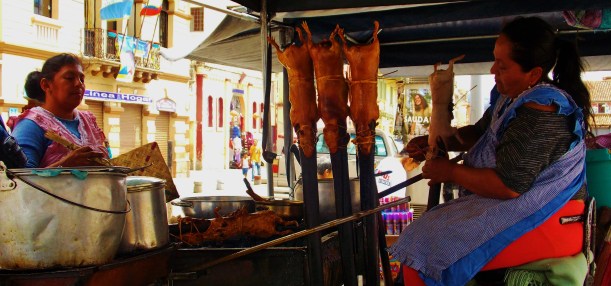
Check out my selection of Cuy he seemed to say

Preparing the Cuy
Preparing the Cuy

Not sure about it, but spoon at the ready
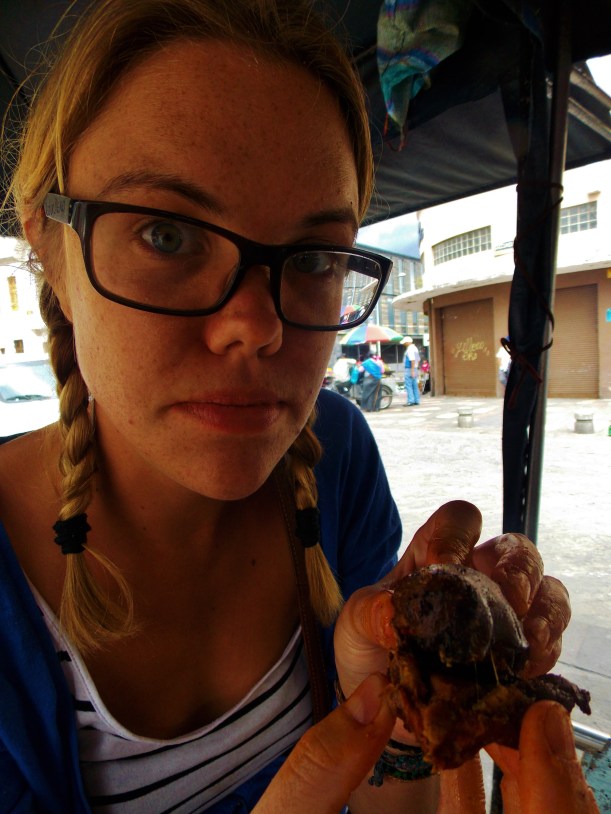
Not sure about it, but spoon at the ready

Again, sorry Nan

Again, sorry Nan

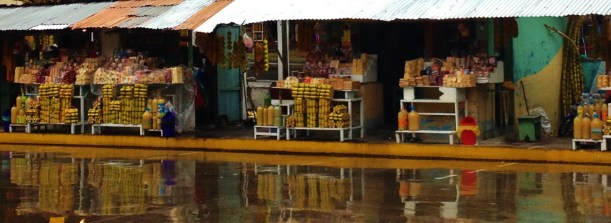
When we weren’t eating guinea pig we were either eating at an excellent cheapie called Moliendo, which serves up Colombian fare at a good price, or we were buying our food from of the huge markets in town.  Amazing places with almost anything you want on offer, including my particular favorite, ready peeled onions.

The meat market
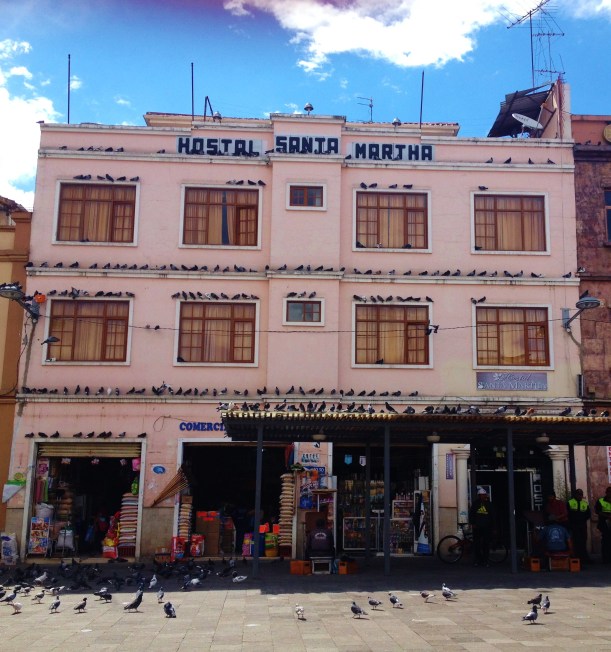
The meat market

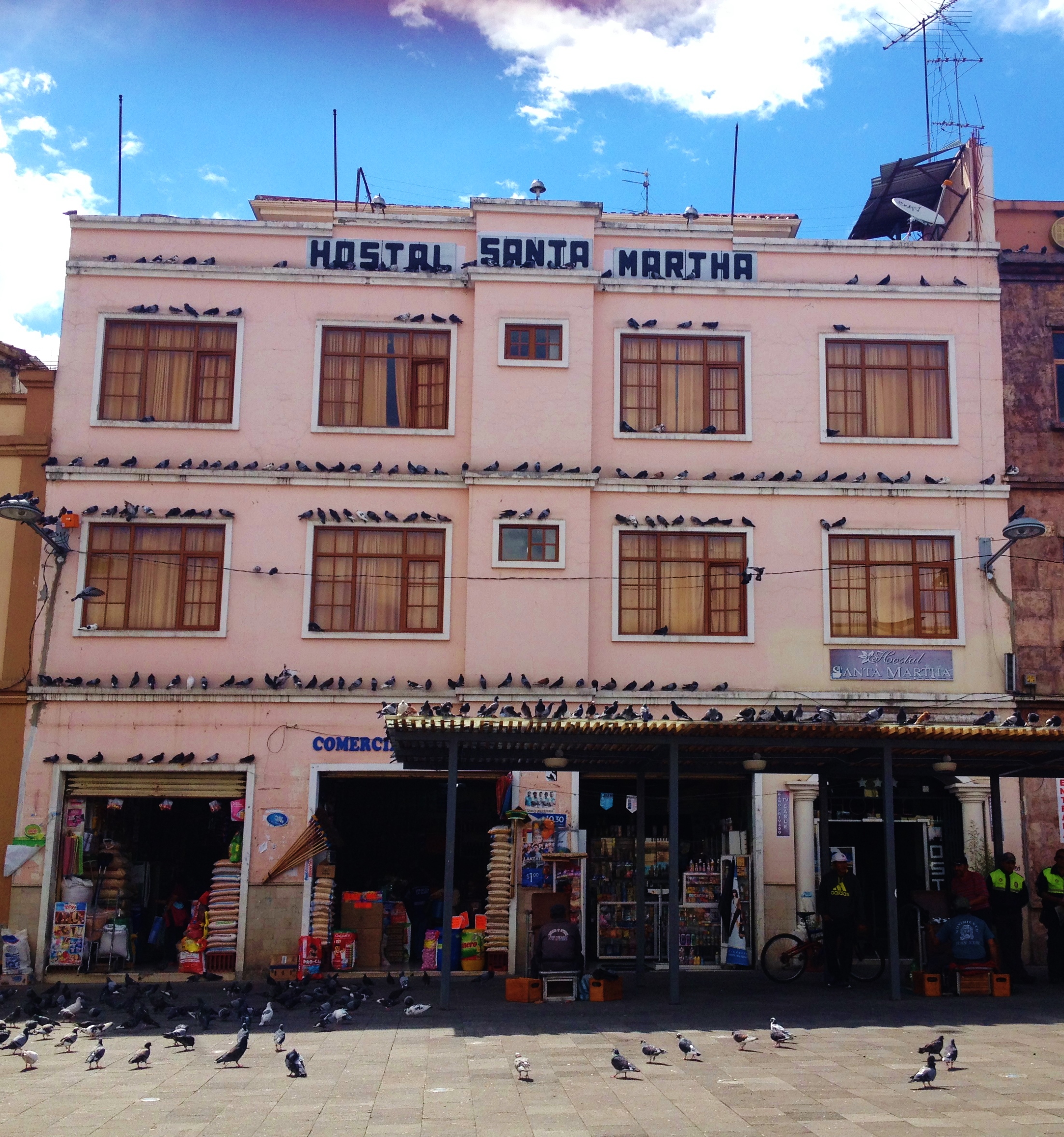
Pigeons at the PLaza Civic

Pigeons at the PLaza Civic

A bit of fruit an veg

A bit of fruit an veg

I must admit that we were not as enthused about Ecuador on most days here.  This was mainly the fact that the weather kept us in Cuenca for too long and we stopped in enjoying it.  If anyone wants to go hiking in the Cajas, and not pay big money for a guide, here is a great website with details on trails called The Free Air.  May I also suggest that you get some maps from the IGM offices in Quito (open Mon-Fri only) before you come as the tourist office in Cuenca only had one that we had to photograph.  A combination of circumstances out of our control (noisy Americans) also meant we stayed in three separate hostels.  The third one being our recommendation of choice, Hostel Hogar Cuencana.
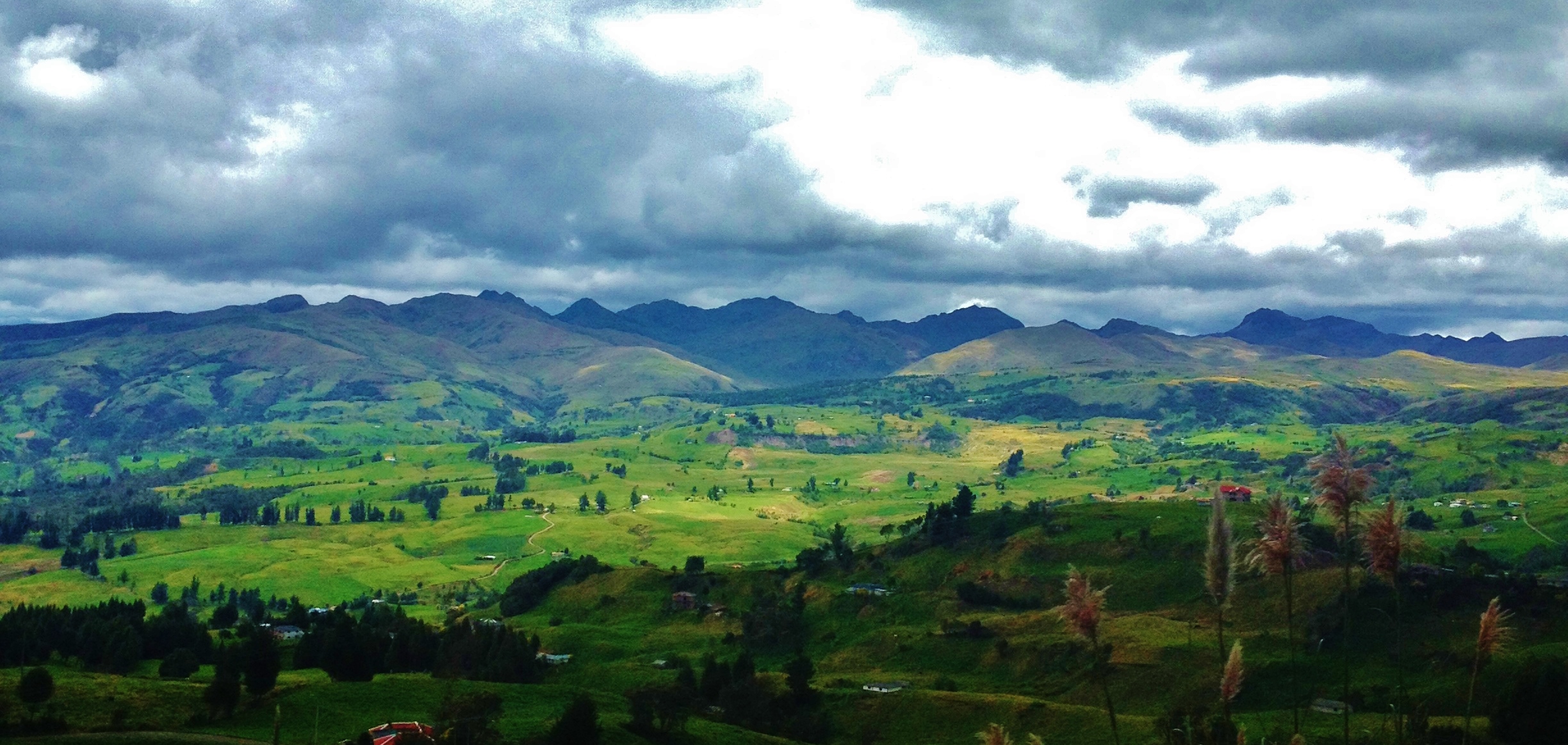
Some Andean scenery on the way to Alausi

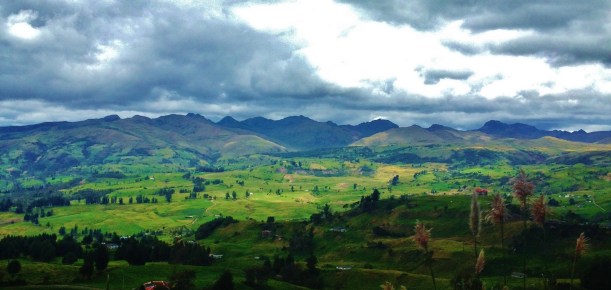
Some Andean scenery on the way to Alausi

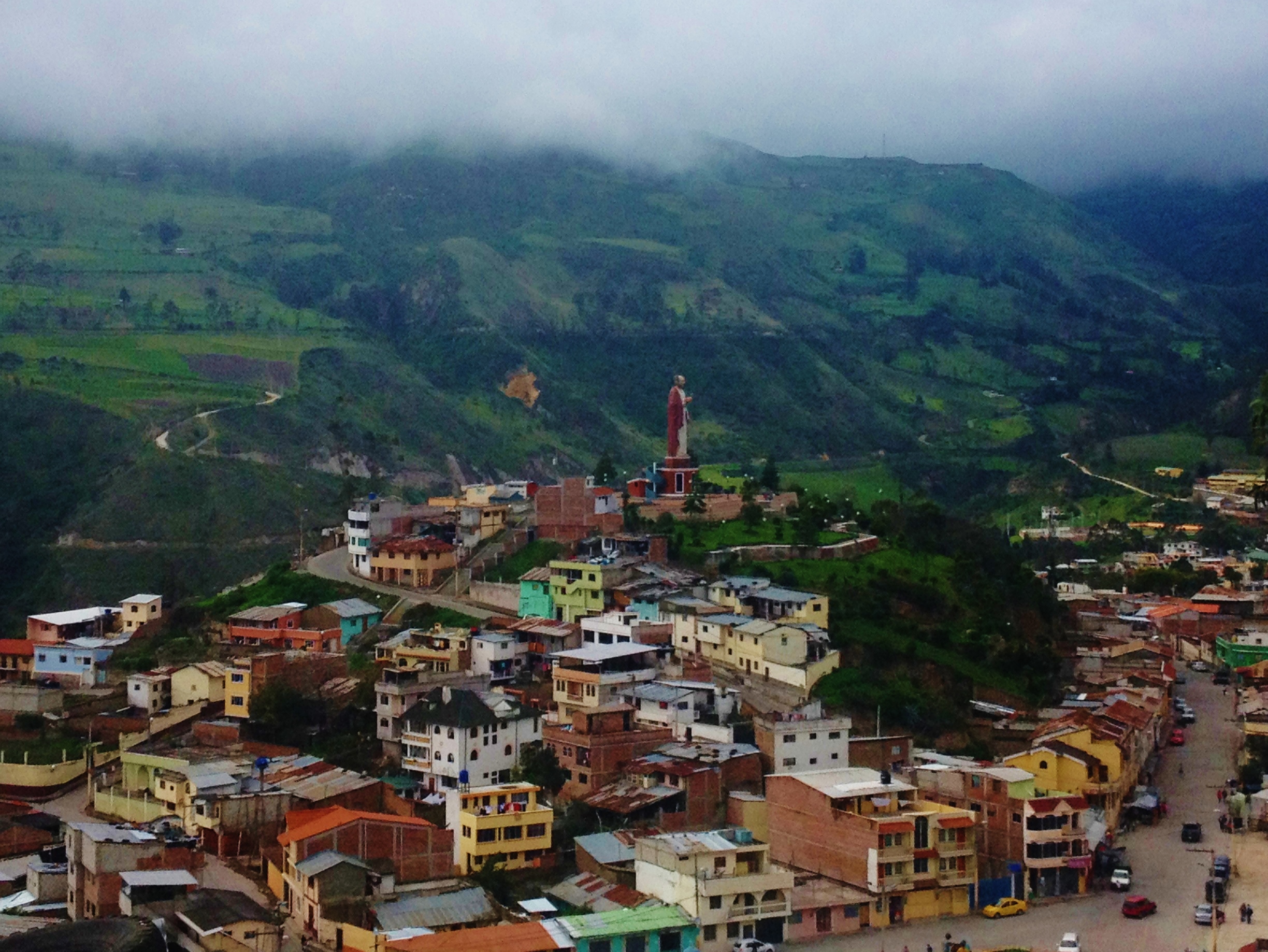
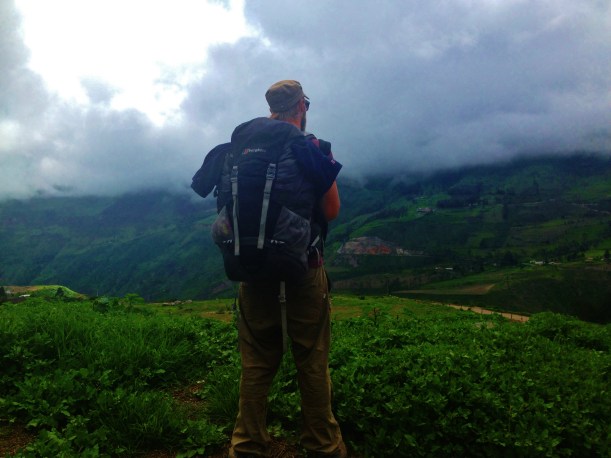
The day came when we managed to get out of the city.  We headed for the town of (San Pedro de) Alausí in the Chimborazo province. At 2340m, Alausí sits above the Río Chanchán gorge and presided over by a giant statue of San Pedro.  The main reason for coming here of course is to take the Nariz del Diablo train ride to Sibambe and back.  The bus from Cuenca to Alausí took four hours, going the same way we went to Ingapirca through Cañar province.  This is one of the most spectacular drives you can take for scenery.  The Andean landscape is quite literally and figuratively breathtaking the whole way.  Dropped at the side of the Panamericana 4 hours later we wandered the 1km downhill into the town, straight into the last day of carnival festivities.  After finding reasonable lodgings for $20 a night at San Pedro Hostel, we ventured out and finally tried the roast pig and potatoes we have seen so often so far in Ecuador.  While we ate at the side of the road, the entire town was out covered in paint and drenched in water from the day’s festivities.  Survival instinct kicked in again and we retreated to our hotel without getting soaked.
Arriving at Alausí - Ollie keeps taking these cheeky snaps

Arriving at Alausí – Ollie keeps taking these cheeky snaps

Views of the statue of San Pedro over Alausí

Views of the statue of San Pedro over Alausí

Roast pig courtesy of jammin.jux.com

Streets of Alausí

Streets of Alausí

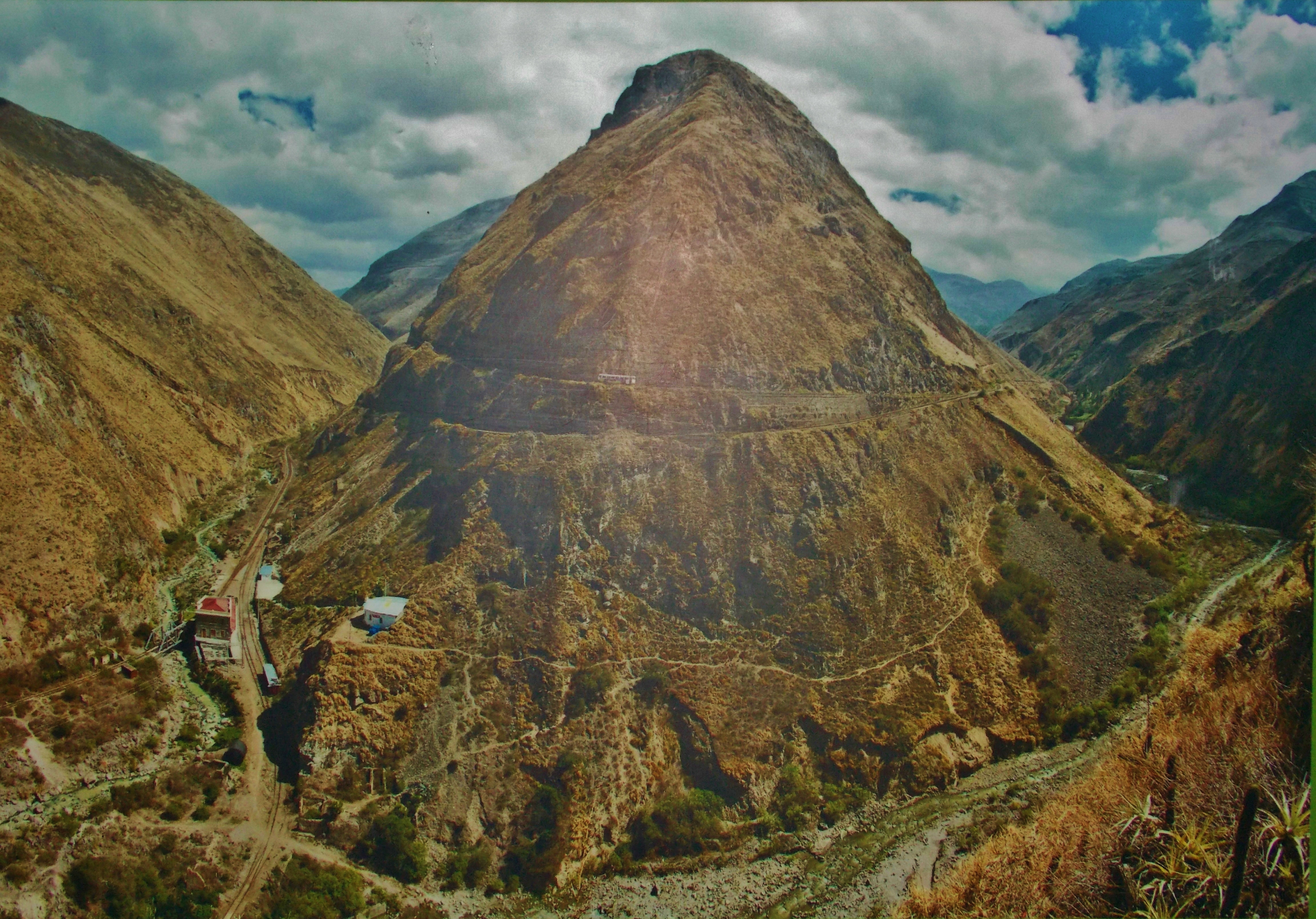
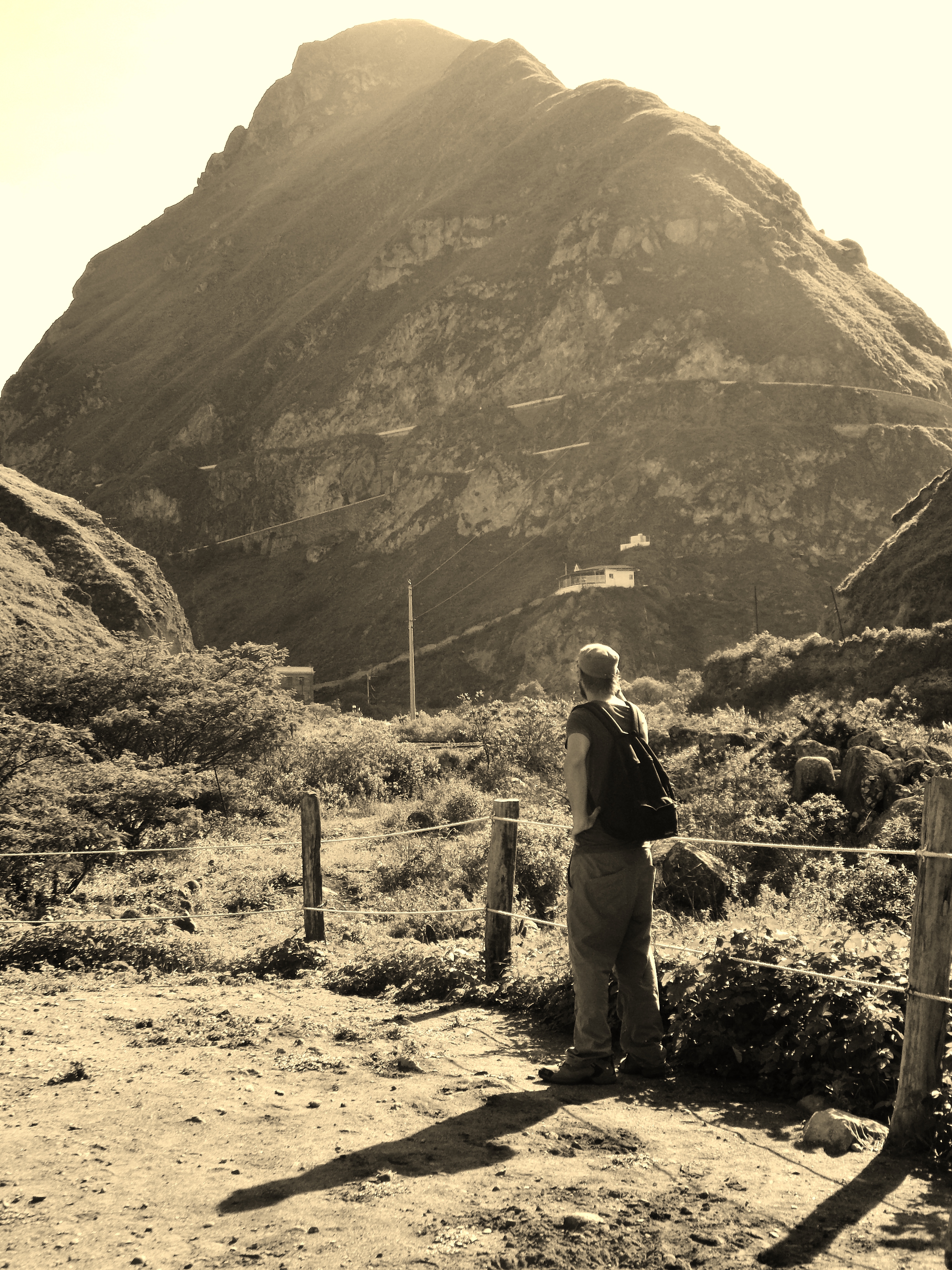
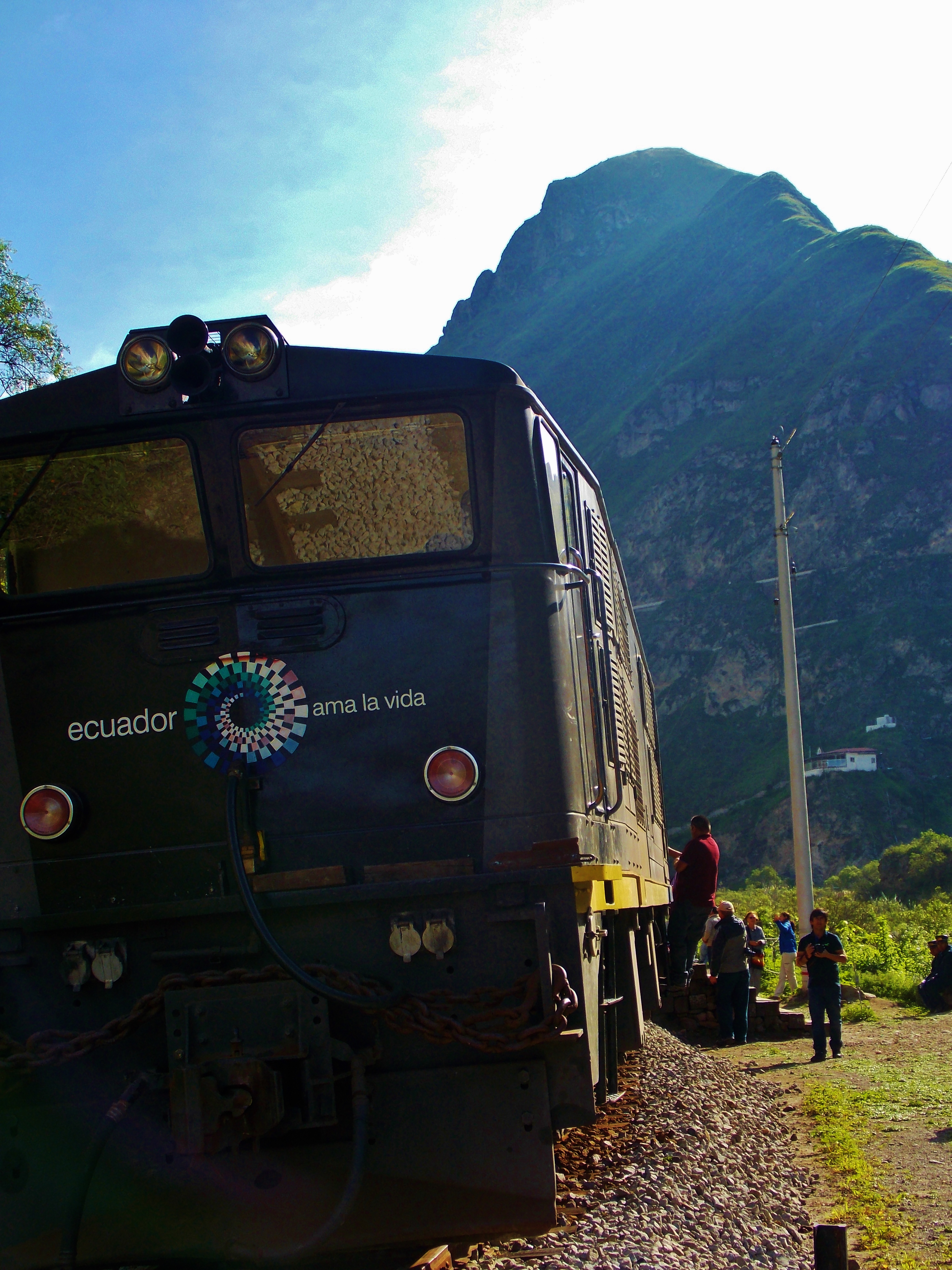
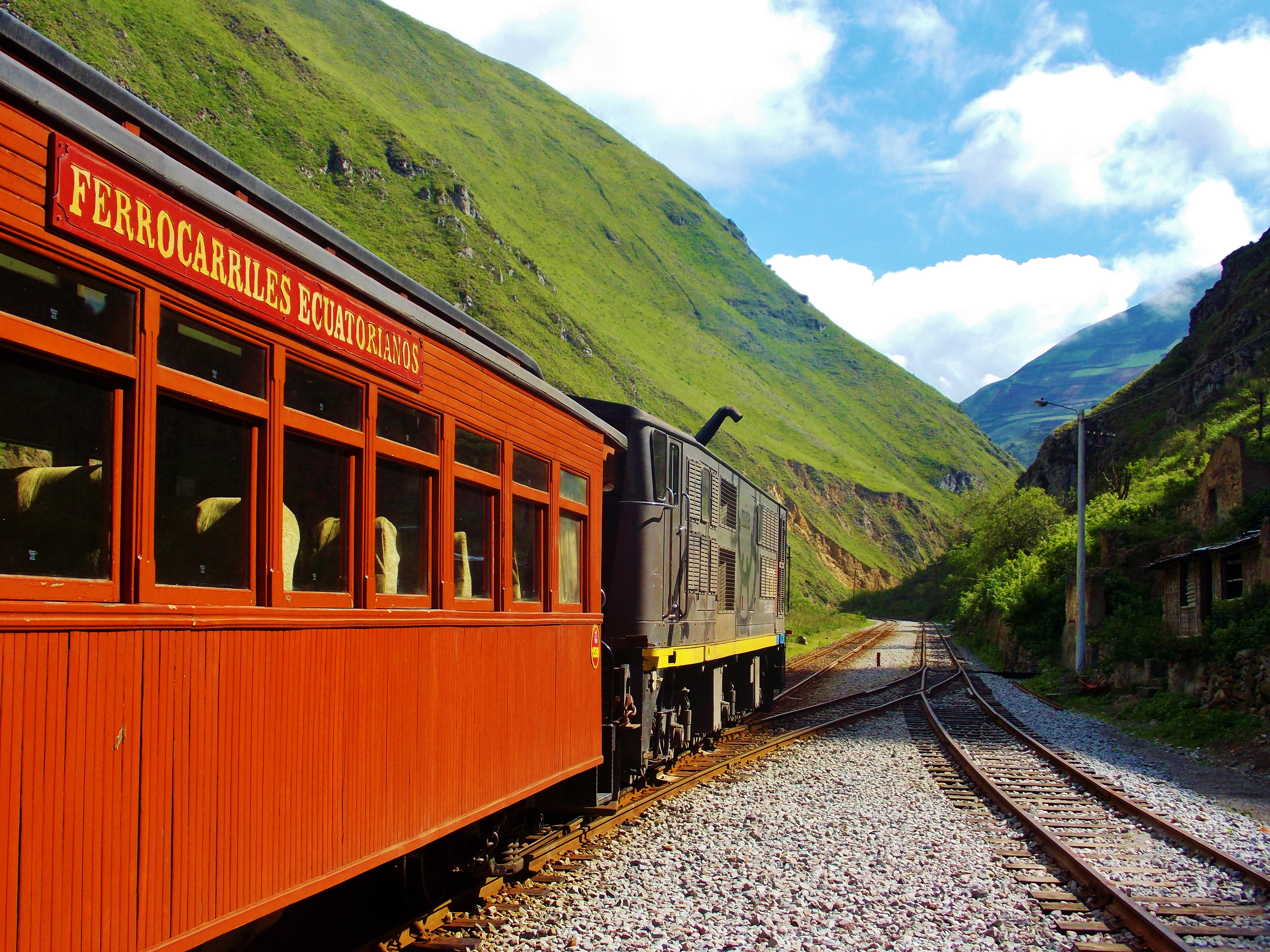
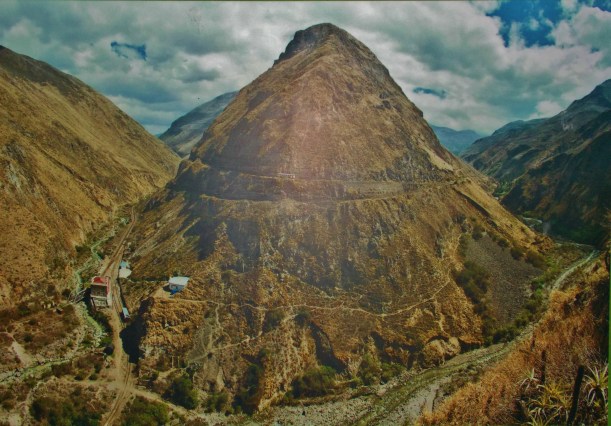
Up at 7am, we booked our tickets ($25 each) for the 8 o’clock ride on the Trans Andean section of rail that slips down one side of the mountain nicknamed the Devil’s Nose by construction workers.   The ingenious three-way switchback system means that instead of having to circle round the mountain, it zig-zags three times and descends down to the town of Sibambe below and onward to Guayaquil.  The rail system was constructed after years of planning between 1899 and 1908, and after claiming the lives of 2500 workers (a mixture of indigenous people and slaves purchased from the Caribbean) if was complete and earned its name; the Devil’s Nose or Nariz del Diablo.

Train shot

Train shot

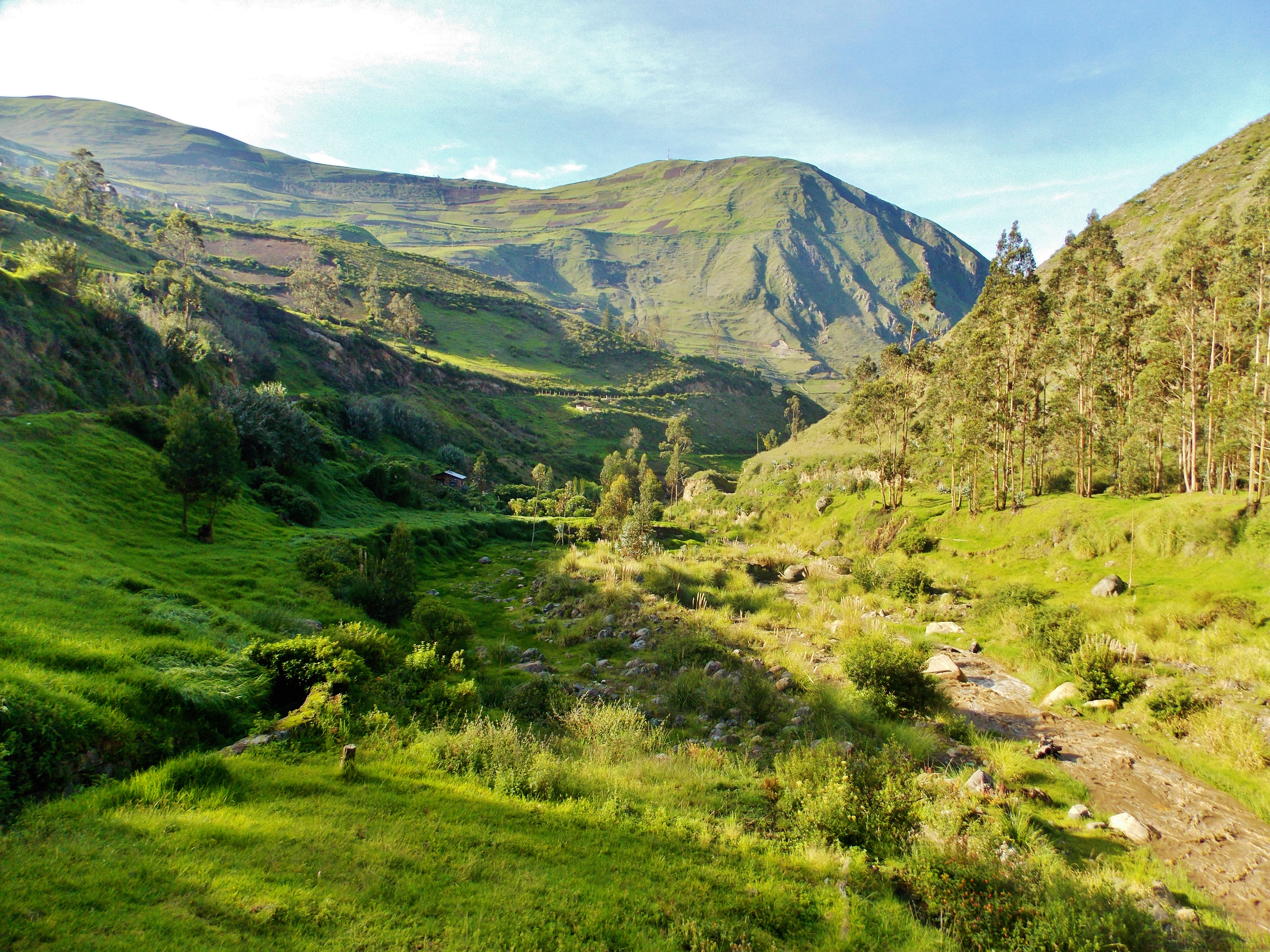
One of the MANY shots of greenery taken on the journey

One of the MANY shots of greenery taken on the journey

Top views the whole way
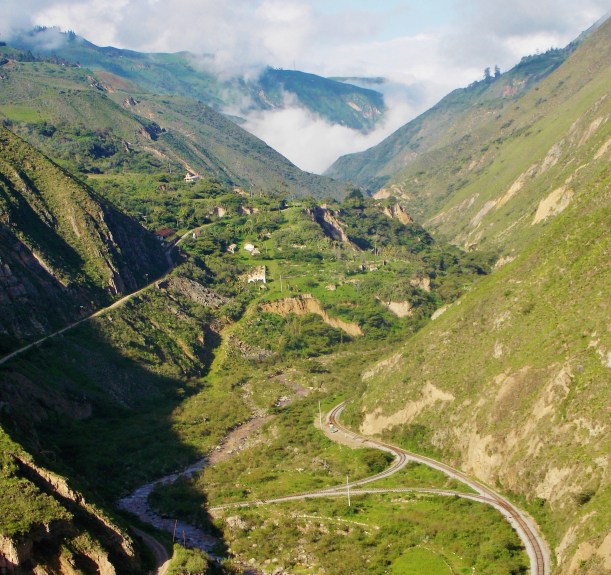
Top views the whole way

Another amazing view on the way

Deep concentration on the natural beauty
Deep concentration on the natural beauty

Nariz del Diablo - I clearly didn't take this photo, but it's a good'n

Nariz del Diablo – I clearly didn’t take this photo, but it’s a good’n

The ride is not like is used to reportedly be.  It seems since the death of two Japanese tourists in 2007 (who were riding on the roof), they have made it much safer and much more tourist friendly.  Although not a thrill-seeking ride anymore, it is by far one of the most beautiful train journeys you will ever take.  The ride takes you down the valley to the now deserted town of Sibambe (due to rains and landslides caused by El Niño), while you and all the other gringos take about 100 pictures of the surrounding scenery.  It’s all very pleasant, and when you get to the bottom, you can take a photo with a cowboy or a llama, or both.  Then there is a bit of a cringey dance performance by the staff dressed in traditional clothing, followed by a trip up to a small ex-church now serving as museum of sorts.  After a free coffee, you’re going back up the switchback the other way, this time just to enjoy the views.  All the pageantry aside, it really is a must do.
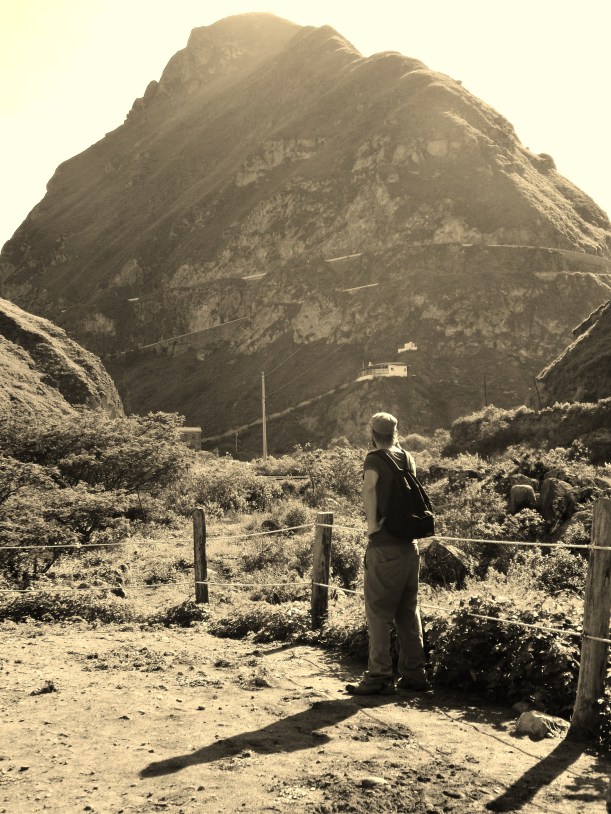
Another sneaky shot in front of the nariz del diablo

Another sneaky shot in front of the nariz del diablo
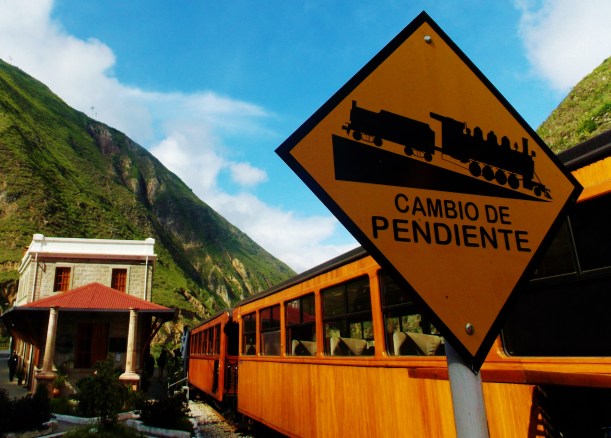
In front ofthe Nariz del Diablo

Train pose!

Switchback sign on the Nariz del Diablo

The rails from Sibambe

The rails from Sibambe

The section of the railway onwards to Riobamba has recently been refurbished, as part of a project to restart train journeys throughout the country. The stretch of road from Riobamba to Alausí runs almost parallel at times to the track, and I would imagine that this would be an incredible ride for anyone who has the opportunity.  The bus journey was spectacular enough!

Whiling away the time in Cuenca, we admitted to each other that we are missing Mexico and Central America.  Spending four months there, we became quite attached, and even though the countries themselves are quite different, there was still a ‘rhythm’ that ran through daily life, which we think we had a grip on, enough at least to get by as gringos.  Ecuador, is our first stop south of the Darien and it seems to be a much easier and more accessible for the traveler.  We miss the unpredictable nature of an El Salvadoran bus journey, and the diversity of food on offer at the side of any street in Mexico along with the brightly dressed Mayan space cowboys who wield machetes everywhere they go in Guatemala.  We also miss the 30 degree heat of Nicaragua! There is just a different feel to life here.  It seems much more relaxed, and yes, safer.  I guess this is why it is more popular with the backpacker gap year kids.  The more we move though, the more we see the beauty of this country and now look forward to our next stops.  We just wish the weather would sort itself out a bit!

A big one this time, so if you’ve got this far, thanks for reading.  Check out the full galleries for both for more snaps.


2 Comments

Crossing through the Golfo de Fonseca to Nicaragua, the gritty beauty of Leon and the tiresome gringo streets of Granada.

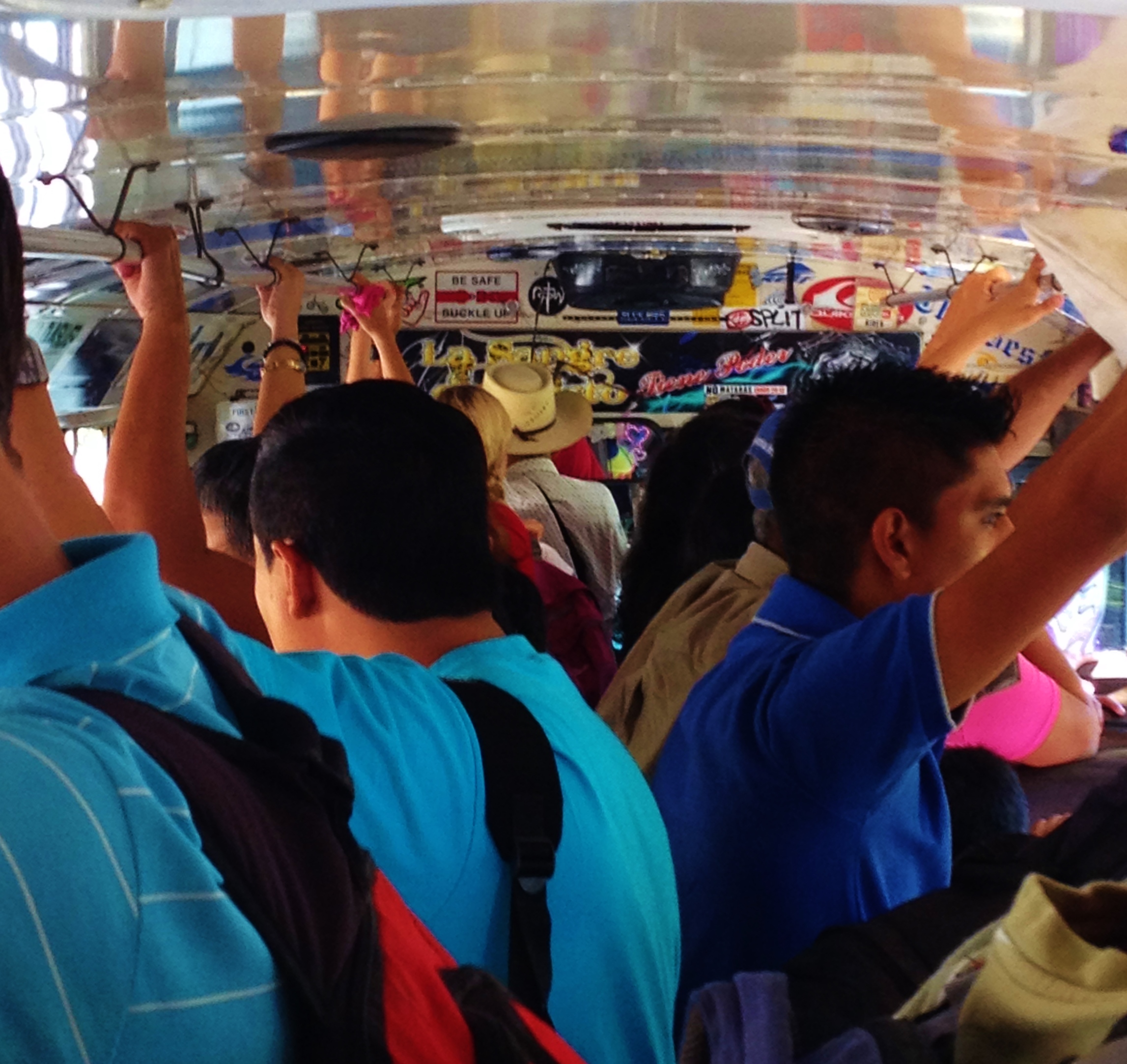
Be safe - Buckle up - A sticker on the front, probably from the days before it trundled along the coast of El Salvador

Be safe – Buckle up – A sticker on the front, probably from the days before it trundled along the coast of El Salvador

It’s time to leave the beach.  Not because we want to you understand, but because all good things must come to an end.  Also we have a boat booked to cross the Golfo de Fonseca into Nicaragua the next day with Ruta del Golfo (but it is cheaper to do it through Tortuga Verde in El Cuco if you get there, and probably a much better experience before!).  After some hard farewells, we take a bus back to La Libertad, then back into San Salvador where then get a #304 all the way to La Union.  The Journey takes 7 hours, not tough by any means, but it is sad to see the rest of El Salvador zip past us; through the sun kissed fields of the east along the Pan-American Highway.  Views at all times framed with fierce looking volcanoes, including the recently erupted and still smoking San Miguel.

Laters El Salvador!

“Business or pleasure sir?”  I am asked this by an undercover store detective (not very undercover with gun and radio) whilst I browse the selection of sun screen at a supermarket in the port town of La Union.  An ominous tone accompanies the irrelevant question asked by this plastic official whose sole purpose was, I assume, to try and intimidate me for no good reason.  He then follows us from a distance and inserts himself into a conversation Ollie and I are having about cheese and ham, whilst his uniformed collegue (also with gun) looms further up the aisle, partially hidden by a stack of Doritos.  Sums up the feeling of suspicion we encountered in this shady/sketchy port town.  We retreat to our ‘hotel’ (that we assume is usually charged by the hour, complete with wipe clean faux-leather mattress and foul smelling bathroom) where we drink our beers and eat cream cheese sandwiches in the driveway, whilst wishing the night away.  La Union does not have the charm of the rest of El Salvador, but we were determined not to let that be our last memory of this enchanting little country.

Want the pictures without the waffle? Click here

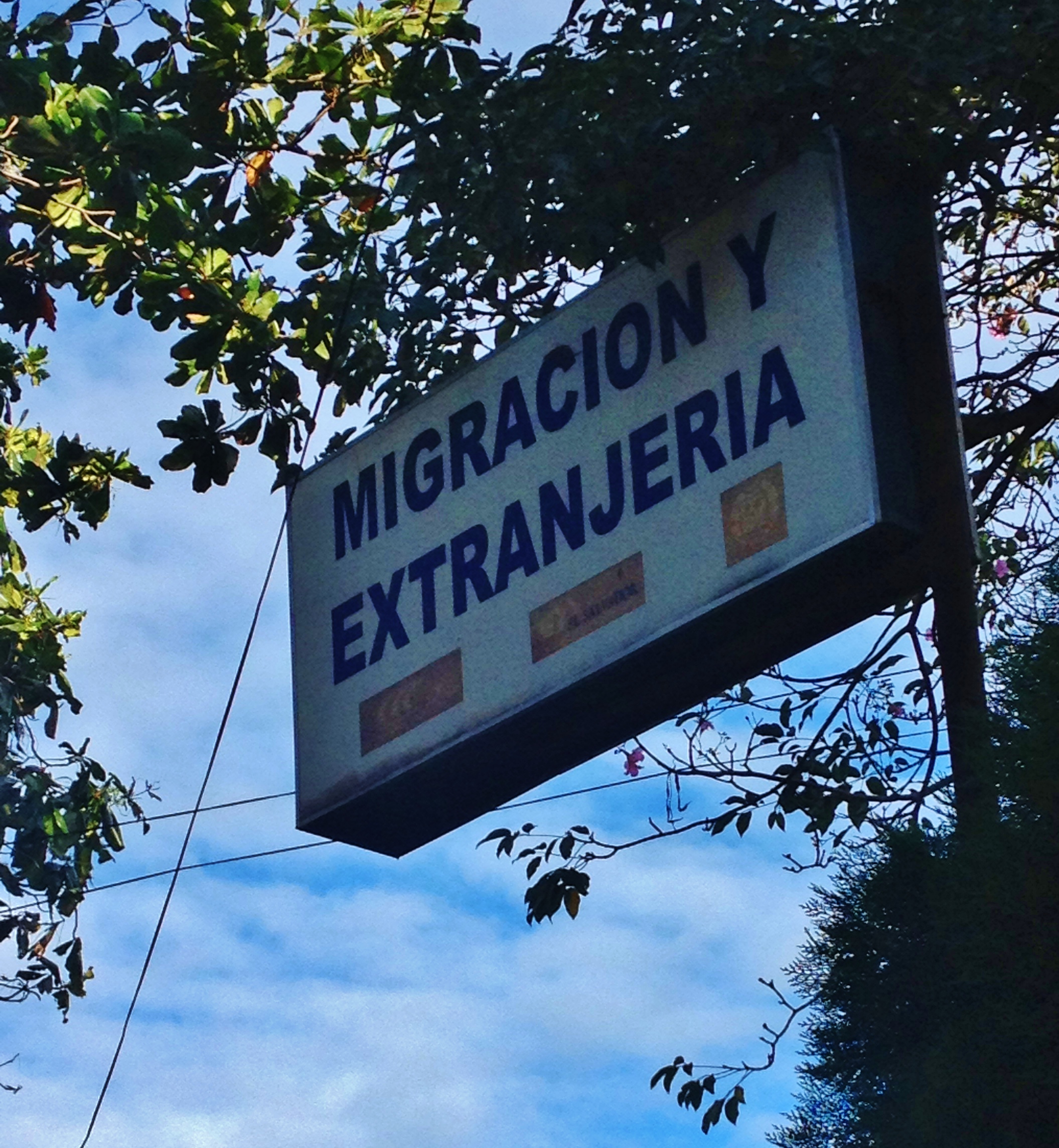
La Union Migration

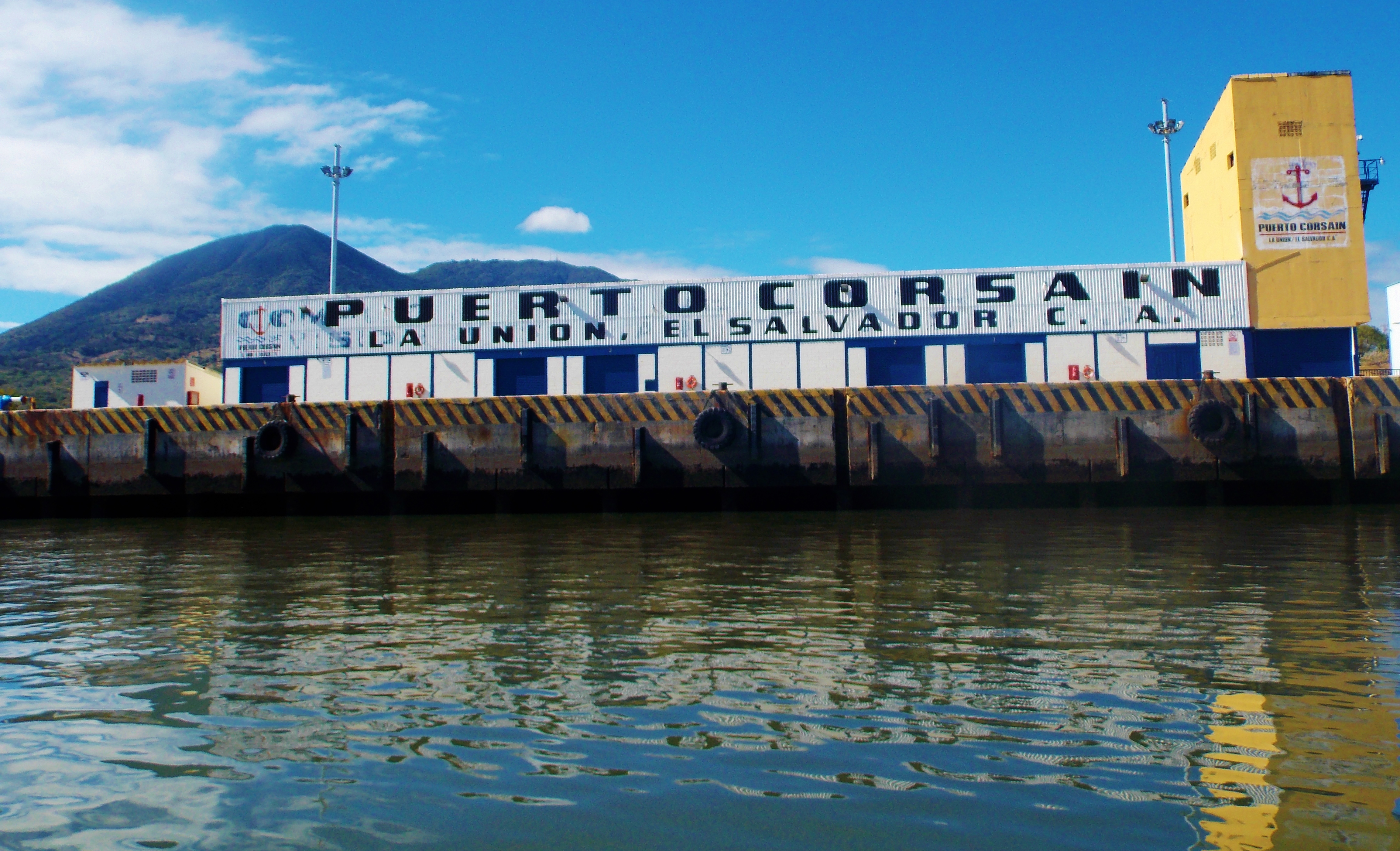
Bright and early we find the migration office at the port attached to the police station (the local ‘bobby’ we asked didn’t know it existed by the way) where we met our man Mario, who got us stamped out of El Salvador and then led us to the ‘waters-edge’.  There was no water…the tide was out, but as we pondered the fate of our footwear, a huge man showed up pulling a cart and instructed us all to climb aboard so he could pull us through the sludge-filled water towards our boat.  My aversion to being carted around like a prince was put to one side as I realised that this was how this guy makes his living, so we obliged…weird!

Being carted to the lancha through the shallows - Odd

Being carted to the lancha through the shallows – Odd

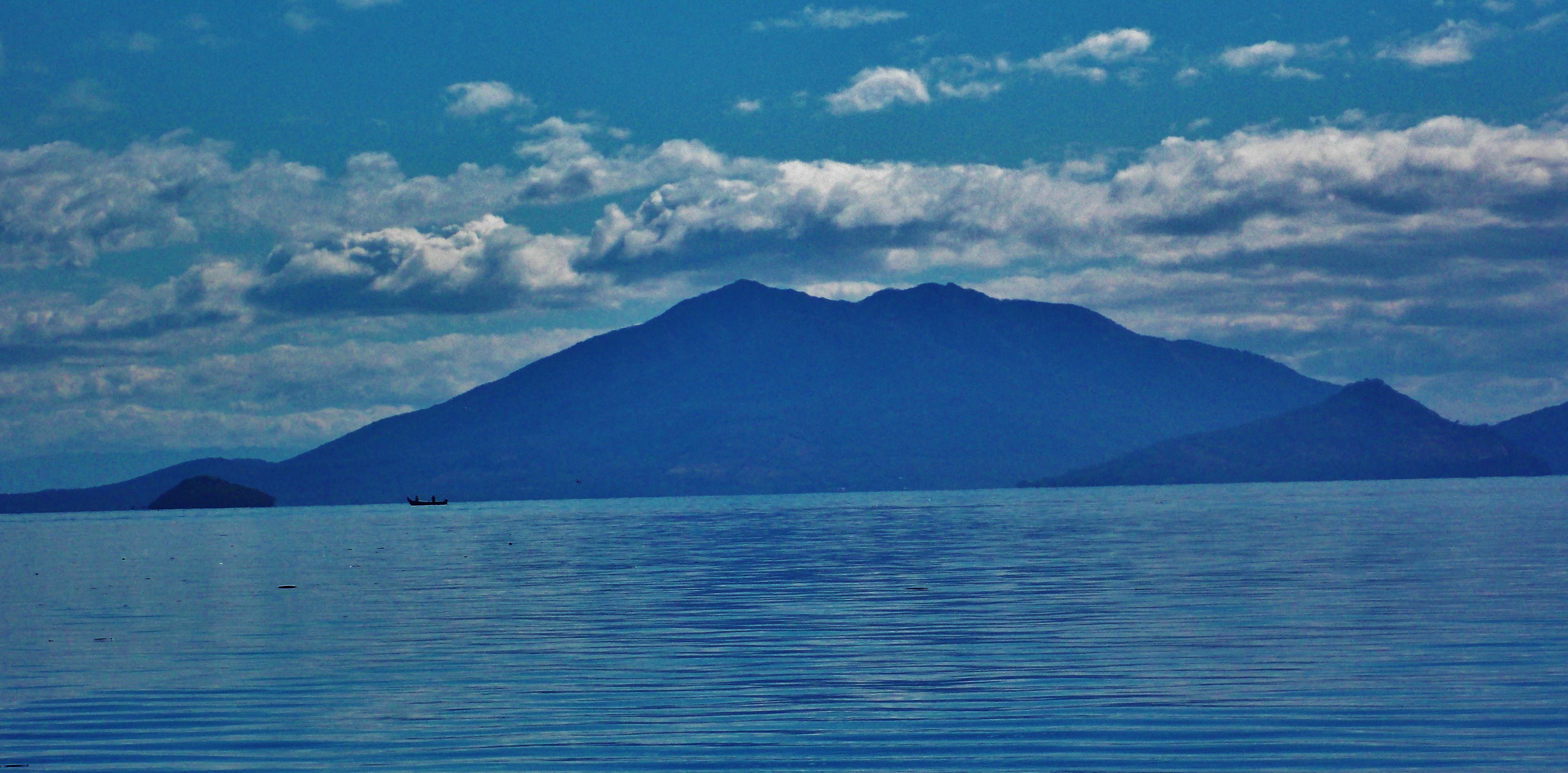
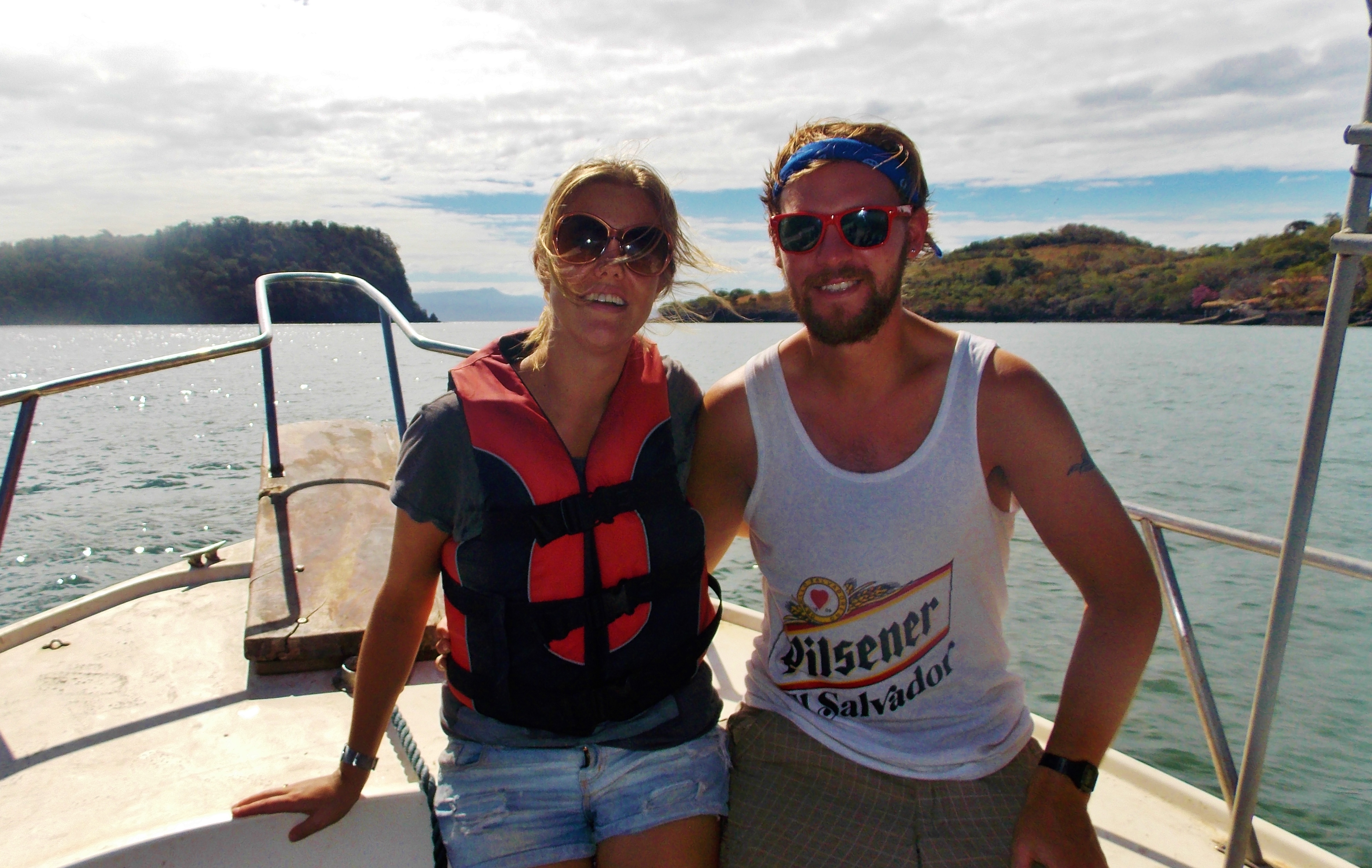
The Golfo de Fonseca is a body of water that is partially claimed by El Salvador, Honduras and Nicaragua, which has been responsible for many disagreements between these friendly neighbours in the past.  The gulf is dotted with a variety of volcanic islands, some larger than others, but all captivatingly beautiful.  One of the islands is rumoured to be where Sir Frances Drake buried some gold and another (I am told) has locals with blonde hair and blue eyes who are descendants of pirates who used to sail these waters. We zip through these waters for 2 hours and before we know it, we are wading through the shallows onto Nicaraguan soil.

First view of the Gulf de Fronseca

One of the Islands of the Gulf

It wasn't as calm as this the whole way

We get stamped into the country in a small dirty building just up from the shore and then we pile into the back of a Jeep bound for León along with  passengers from another boat who came via Tortuga Verde.  I mention this place again, in the hope that it comes up in a google search about Ruta del Golfo.  We paid $100 each for the same service that cost a total of $55 for other passengers who were offered our same transport ride at a cut down price.  We also didn’t get our stop on an island as we paid for!  Pissed off, does not begin to describe it!

The bumpy road takes us back into civilization and into León in around 2.5 hours where we find lodgings at the tranquil Colibri Hostal.   To our surprise we find Will, Sarah and Holly from the beach staying there as well, so we head out with some others to some live salsa and several mojitos in at the Via Via which is filled with locals and backpackers alike.

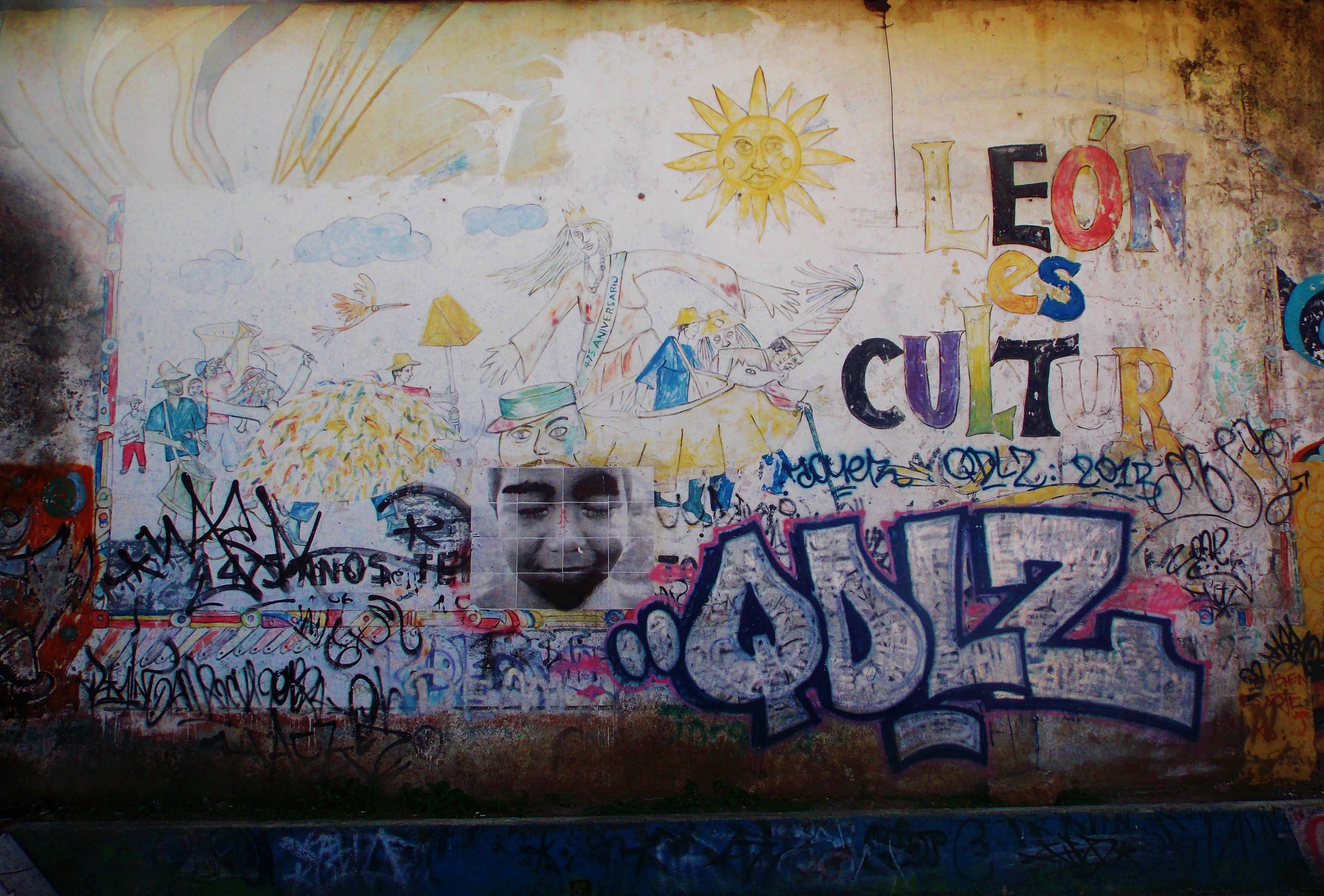
Leon es Culture

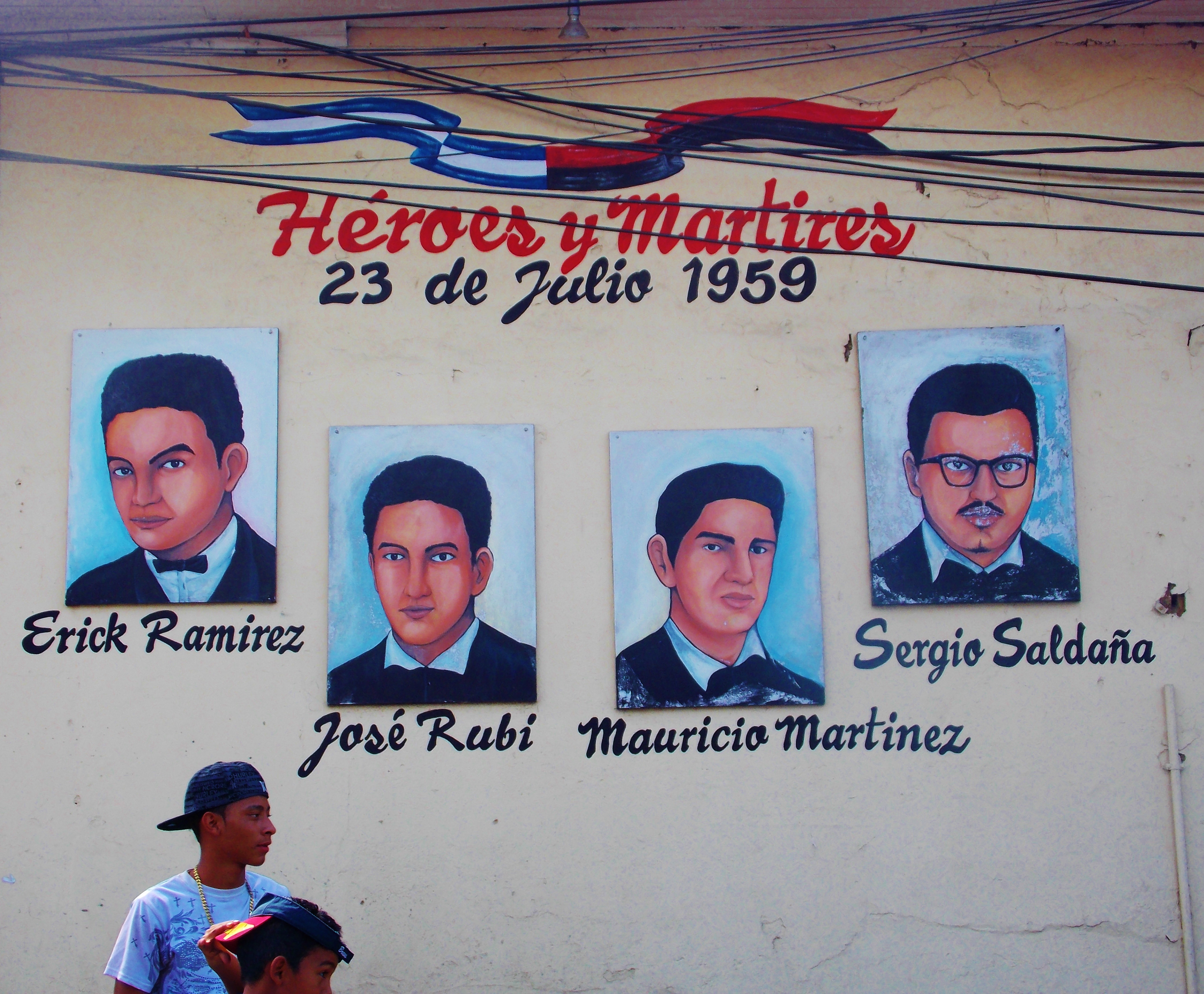
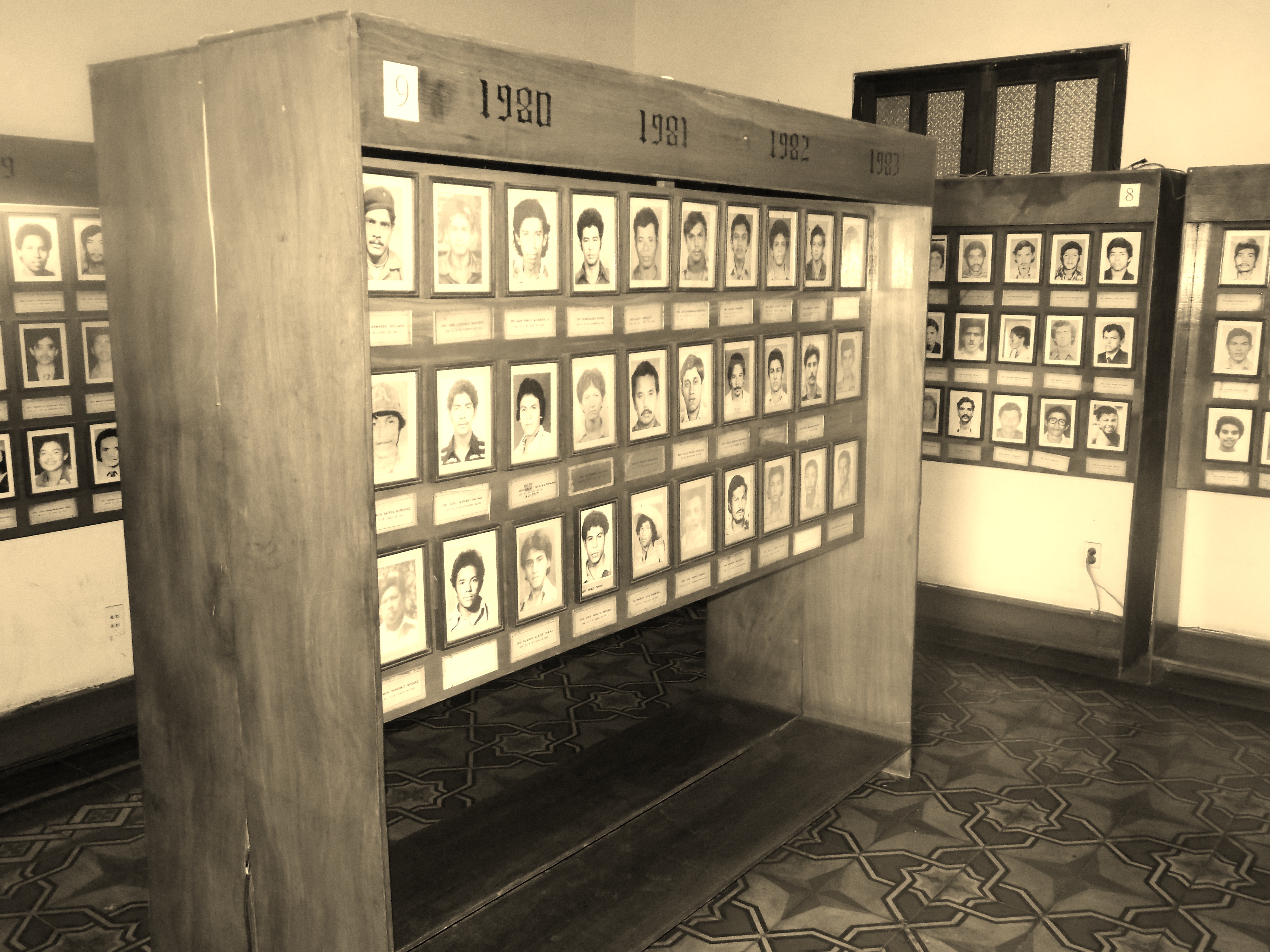
Another country, another colonial city.  León is a fully functioning colonial city; much Like Santa Ana in El Salvador, except this has a larger expat community and more appealing vibe in general.  A history of rebellion runs through Nicaragua so we dive straight into the city to see what we can learn about the Sandinista (FSLN) movement at the Heroes and Martyrs gallery.  A small room, partially used as a diabetes clinic, houses boards filled with pictures of rebels who lost their lives for León during the fighting, many of which have the stories of how they gave their lives.

Mural for the 4 students who lost their lives in 1959

Mural for the 4 students who lost their lives in 1959

Gallery of Heroes and Martyrs

Gallery of Heroes and Martyrs

We then move onto the Parque Central and the UNESCO site of ‘Real e Insigne Basilica’ Cathedral which is the largest in Central America.  Its enormous dirty white façade casts a shadow in which locals sit and chat next to a memorial for the heroes and martyrs.  After this we decided we needed more culture so headed to Museo de Arte Fundación Ortiz-Guardián.  The cool air con and peaceful setting was just a cheeky bonus and sweet relief from the oppressive heat of the city streets.  The collection ranged from modern installations, religious portraits, a couple of Picasso sketches and a huge collection of modern Latin American paintings.  A belly full of culture was all we had digested so we sought out a French bakery for some sustenance.

Whaaa

Real e Insigne Basilica Cathedral

Real e Insigne Basilica Cathedral

Locals seeking shade

Locals seeking shade

Something unusual on a lot of corners in Leon

Titled 'The Burden' - 10 points to anyone who can tell us who the two jokers are.  We all know whos getting a piggy back - Found in a little lace called 'casa de culture'

Titled ‘The Burden’ – 10 points to anyone who can tell us who the two jokers are. We all know whos getting a piggy back – Found in a little lace called ‘casa de culture’

]

Cheeky snap of some abstract art from Museo de Arte Fundación Ortiz-Guardián

Cheeky snap of some abstract art from Museo de Arte Fundación Ortiz-Guardián

Around the Catedral

Some people don’t get on with this city, but I, someone who dislikes cities in general, found it homely.  I enjoy the juxtaposition of modern day life working around crumbling old churches that peek out above the cobbled red-roofed colouful buildings.  The local ways of life do not seem to have altered too much too accommodate tourism.  It’s a bit grubby, a bit hectic, but it feels safe.  I like it there!

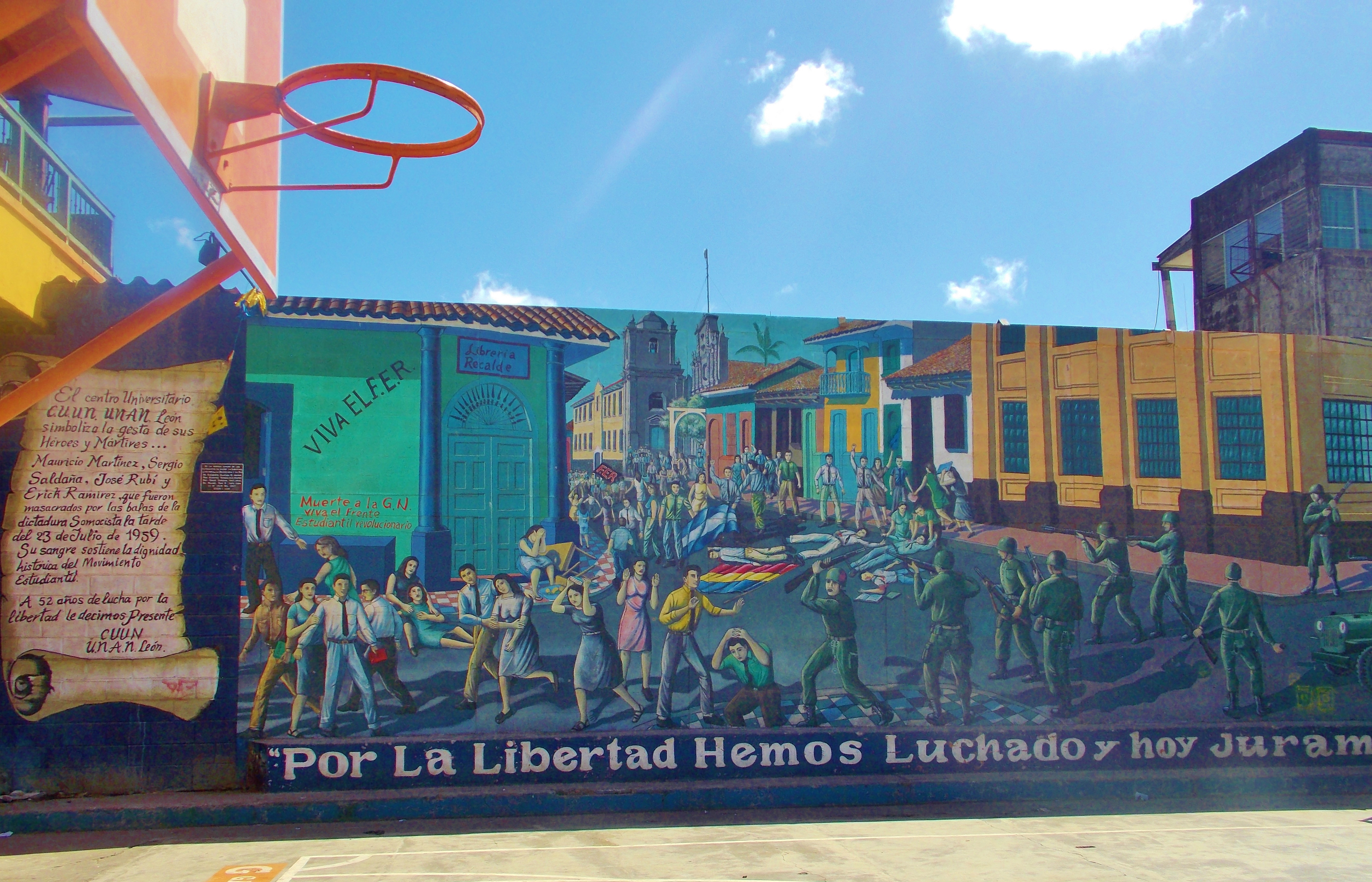
Mural on bb court

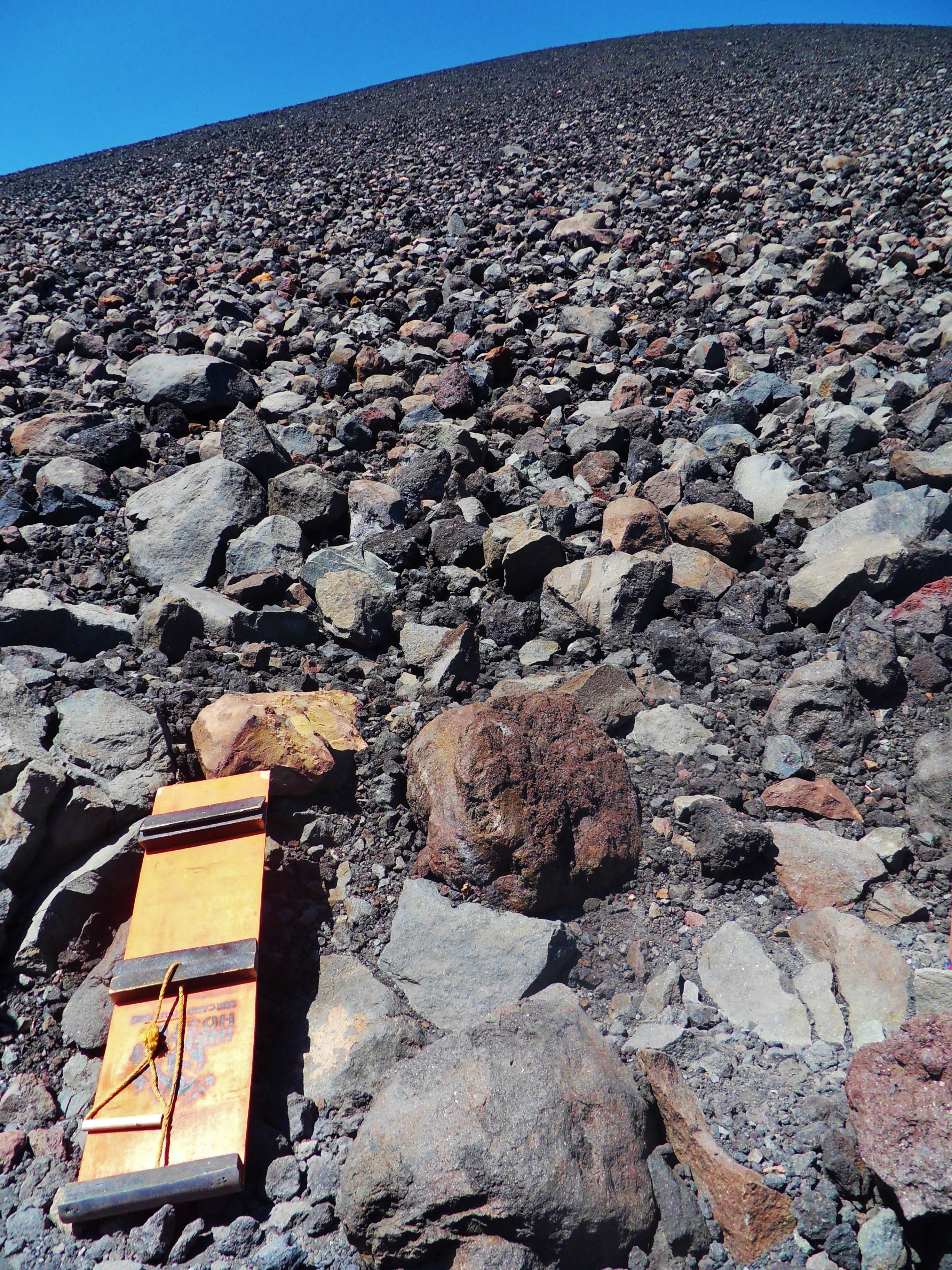
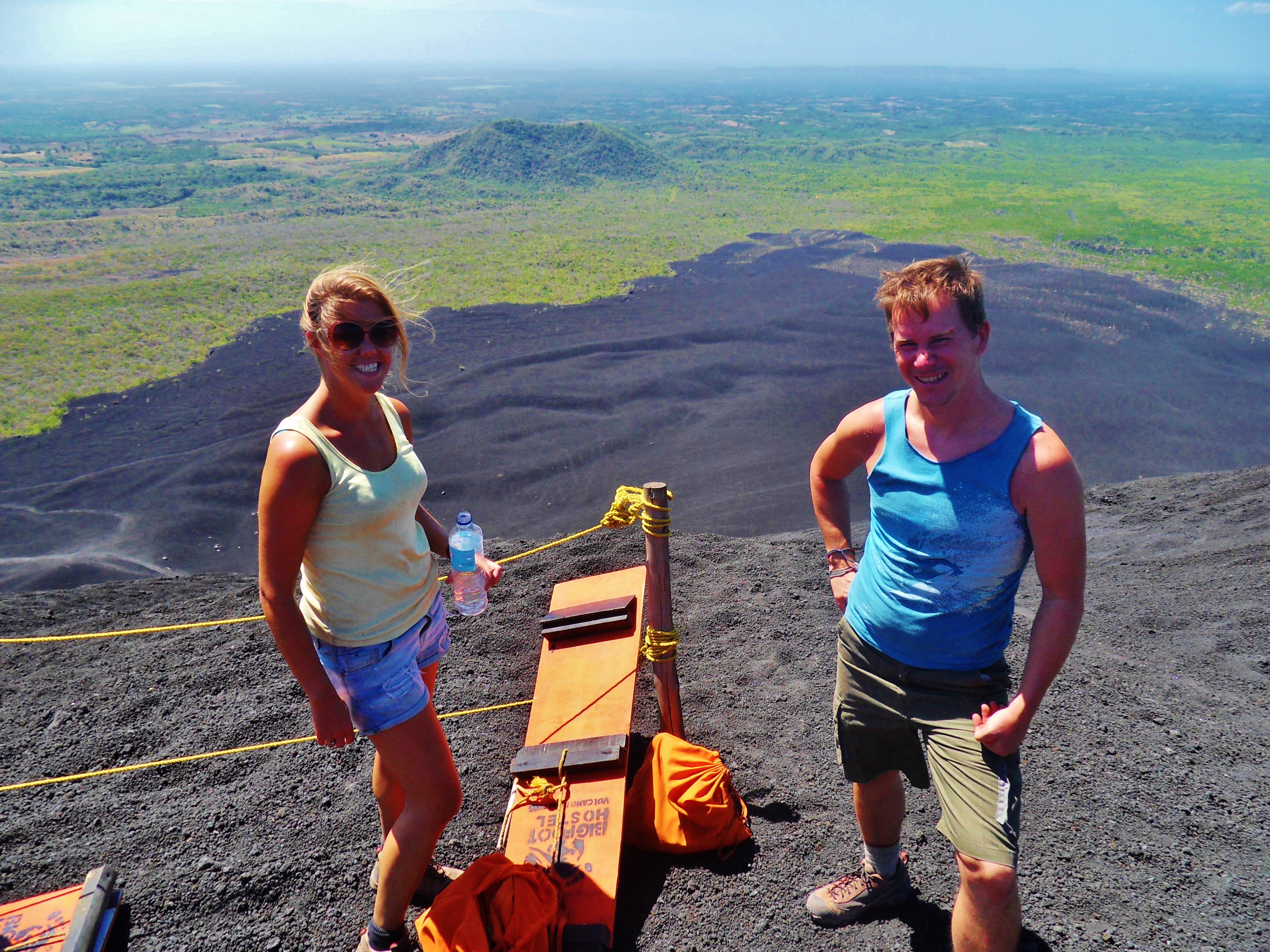
The next day, we head for the irritable little Volcano of Cerro Negro with the intention of chucking ourselves down it on speed on a piece of wood.  The volcano is the youngest in Central America, very active and is way overdue an eruption.    The sport of Volcano Boarding was invented by an Australian who tried to snowboard down it, but ended up melting his board. It is a dark, hot and steamy bastard.  A slow hike to the top took an hour when carrying large wooden boards and jumpsuits, but was relatively easy.  Going down takes about 45 seconds.  The record being 92kph, Ollie trounced us by getting 62 kph, with me falling behind at 53kph and Will with a gentleman’s 23kph.  I did fall off mine at the end and manage to fill my eyes with grit and smash my camera.  It hurt.  But only for a short while.  There were a few backpackers walking around town with very visible injuries that I assume are from activities on volcanoes.  An interesting day, topped off with our introduction to American Football and us losing $5 on the Superbowl.  Damn Seahawks!
Ollie sporting the latest in Volcano boarding gear

Ollie sporting the latest in Volcano boarding gear

SAMSUNG DIGITAL CAMERA

SAMSUNG DIGITAL CAMERA

SAMSUNG DIGITAL CAMERA

In case of eruption...erm, this way!

In case of eruption…erm, this way!

Some of the nearby volcanoes that line through the country visible from the top

Some of the nearby volcanoes that line through the country visible from the top

SAMSUNG DIGITAL CAMERA

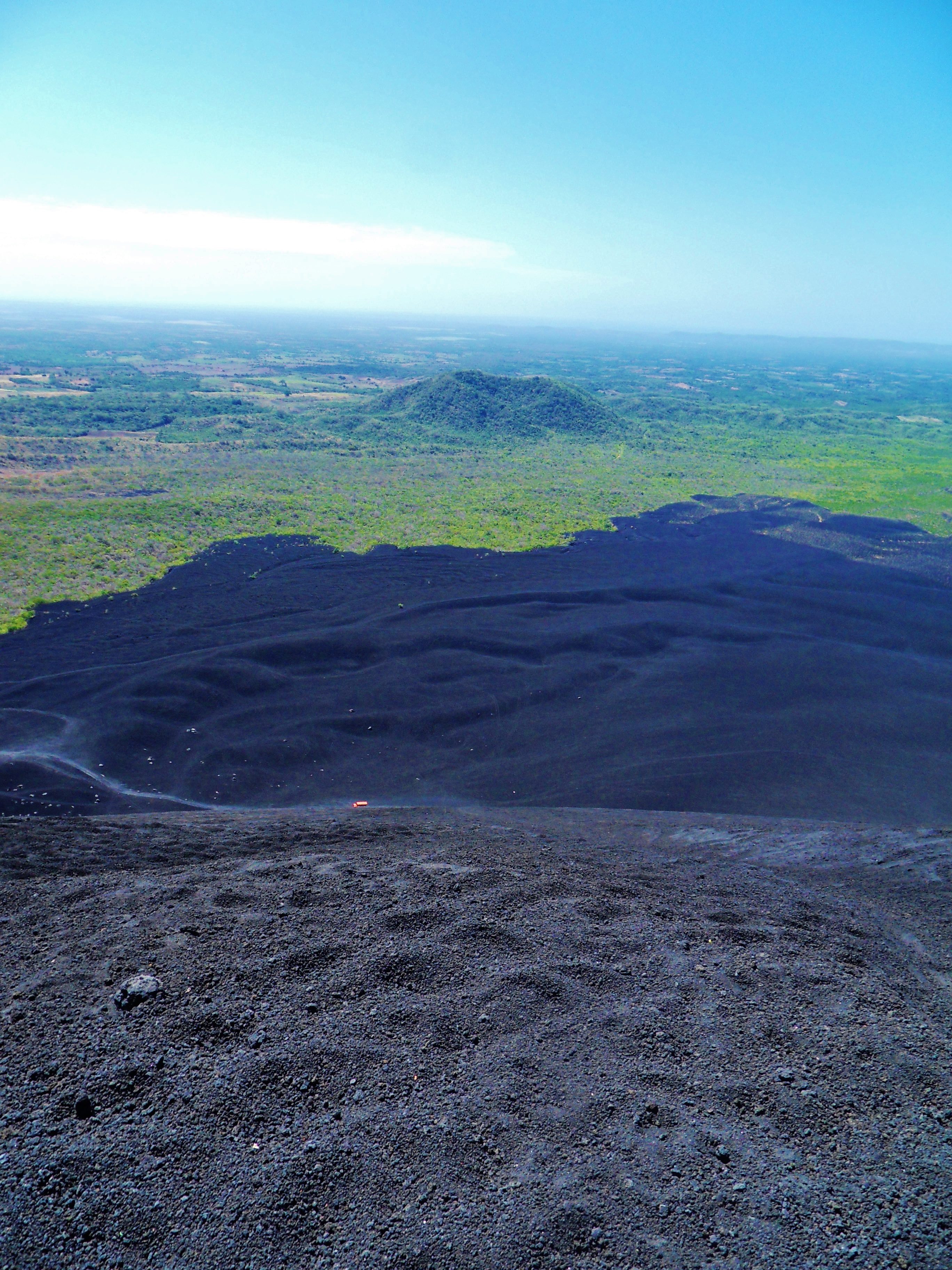
For some perspective as to how steep that is, the little orange dot at the bottom is the truck

For some perspective as to how steep that is, the little orange dot at the bottom is the truck

SAMSUNG DIGITAL CAMERA

Will ready!

Will ready!

No pictures of our own as i smashed my camera.  This one if from the bigfoot guide.  Borrowed from the FB page.  Nice shot though!

No pictures of our own as I smashed my camera. This one if from the bigfoot guide from that day. Borrowed from the FB page. Nice shot though!

It was time to make a move to Granada and see what all the fuss was about!  We were aware that it is the main tourism hub for Nicaragua, and being the oldest colonial city in the Americas dating back to 1524, would offer much in the way of architecture.   Two buses, changing at Managua, took us into the market area around the main Parque Central on a blazing hot afternoon.

Horse drawn carts of Granada

Horse drawn carts of Granada

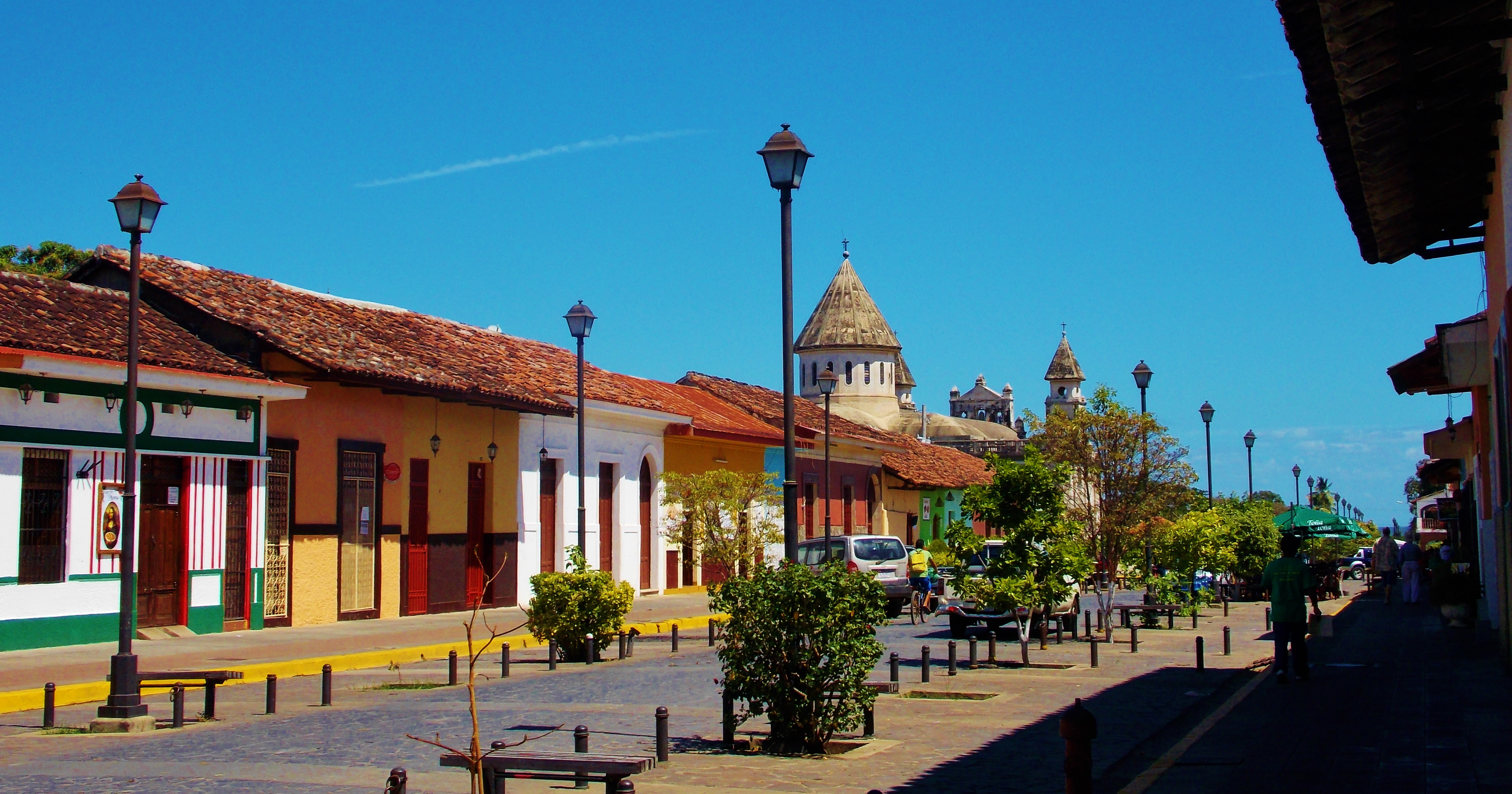
My personal opinion on Granada is that I don’t like it.  I just don’t, sorry.  It is indeed one of the more picturesque colonial cities.  Its buildings are magnificently restored around the Parque Central, leading to Calle la Calzada (gringo street), with its endless supply of expensive (for gypsies like us) restaurants leading past the TWO Irish bars down to the shores of Lake Nicaragua.  Milling around are hundreds of tourists, all snapping away at the fronts of the handsomely restored expensive restaurants and privately owned holiday homes.  It is just not my thing.  It’s pretty yes, but it’s too busy and too plastic.  Take it for what it is and you will enjoy it.  Come expecting a snap of rustic colonial charm, you won’t find much.  The local market two blocks from the square was a swift remedy for the hordes of tourists swarming through the main square.  But, like I have said, it was pretty, so here are some pretty pictures of it.

Beutifully restored colonial stuff everywhere

Beutifully restored colonial stuff everywhere

A goat, a bike, and a Canadian

A goat, a bike, and a Canadian

Further down Gringo street

Rubén Darío - And some other moody peops

Rubén Darío – And some other moody peops

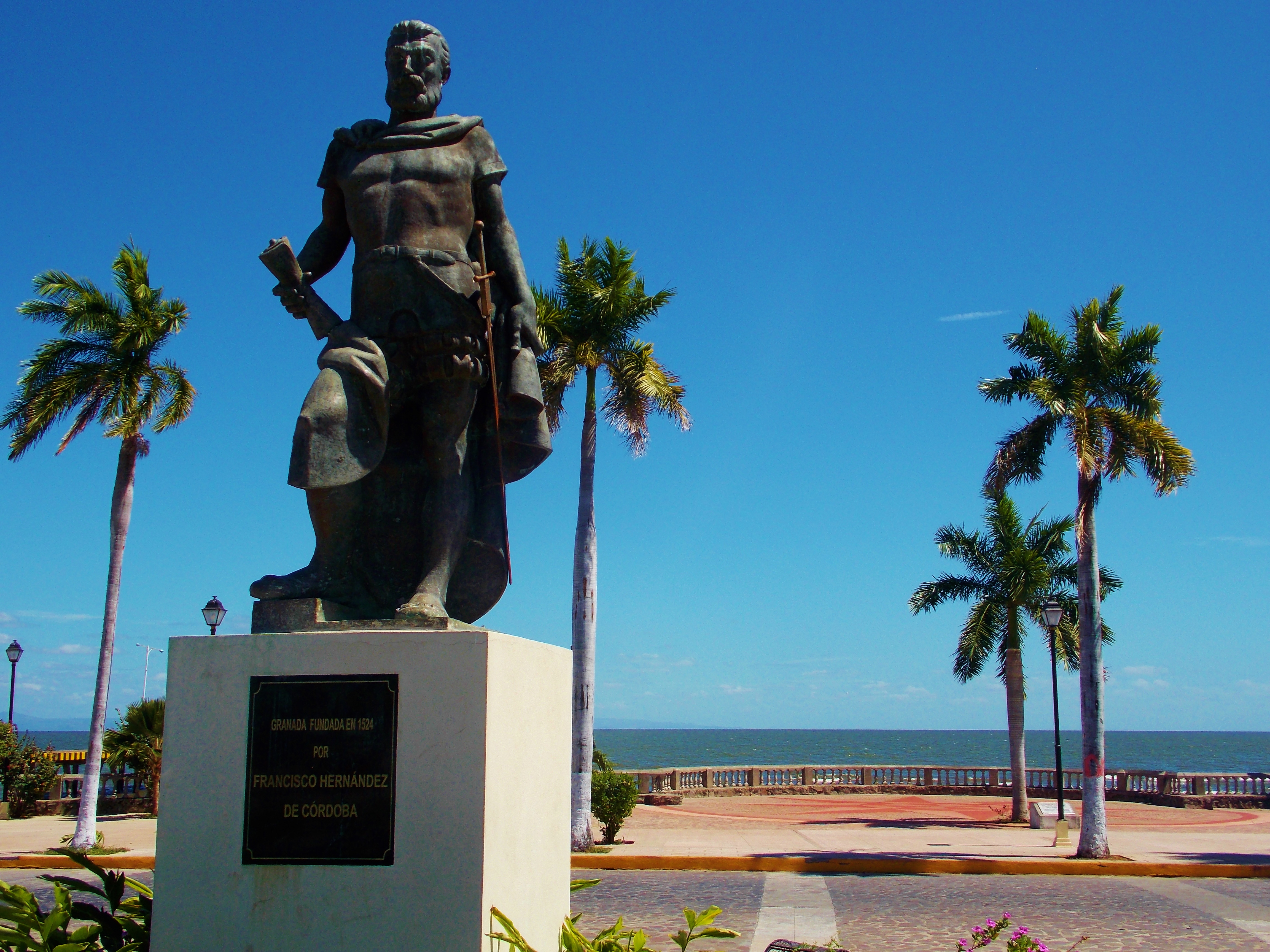
Cordoba - The citys founder and the currencys namesake

Cordoba – The citys founder and the currencys namesake

Granada street

Granada street

Ok, it is actually quite nice

Ok, it is actually quite nice

Ron delivery

Ron delivery

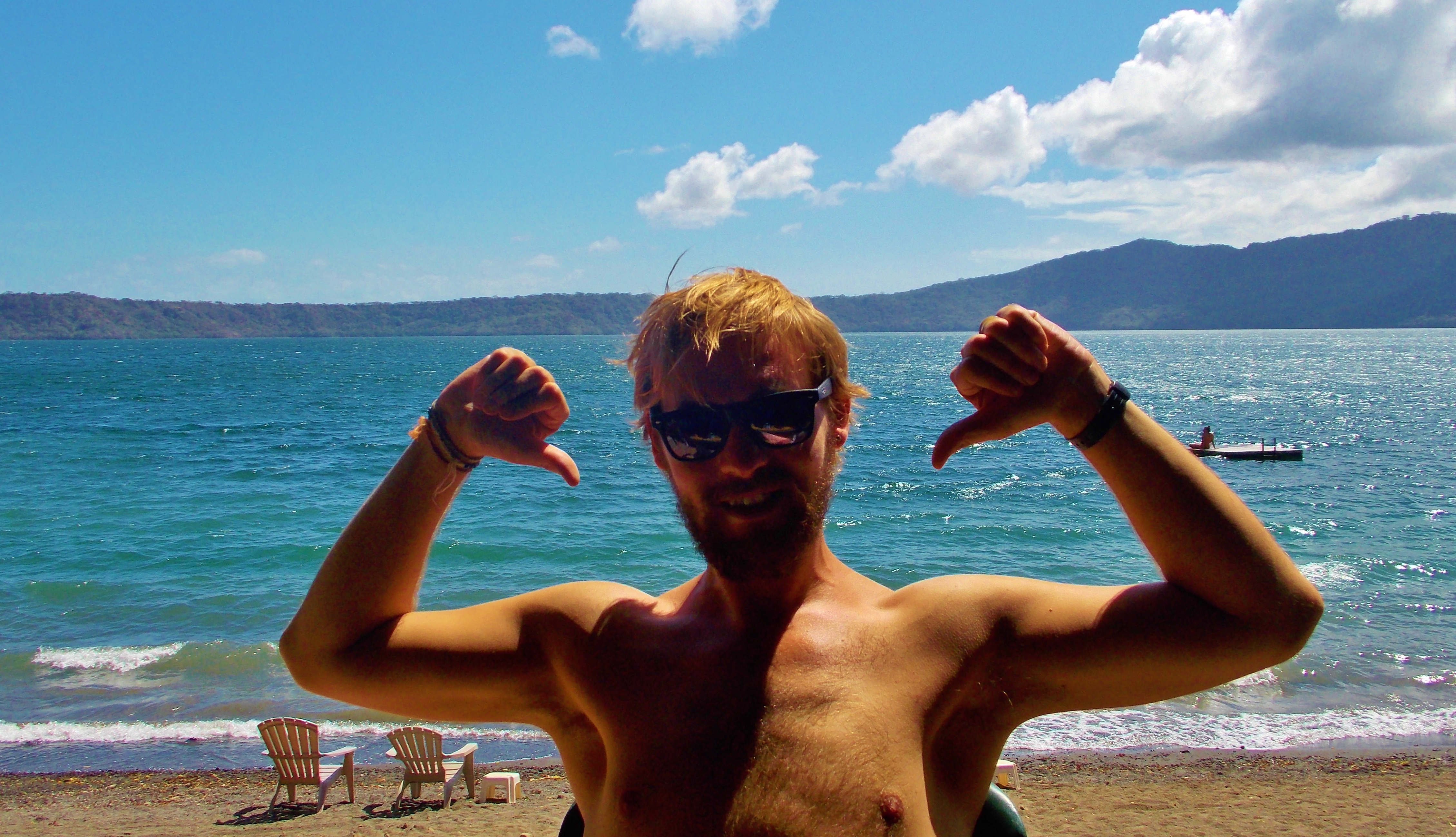
For all its faults, we met some great people there and had a couple of nice meals (yes we went to the Irish bars, you can’t really avoid it, but I did have fish and chips!).   One of the days we spent at Lake Apoyo which is a pretty crater lake near to the city, but again, this is set up for tourism where we found ourselves shuttled to a lake side hostel, and then shuttled back.  Pretty scenery, but not much wiggle room to explore in the time given.

Lake Apoyo- Sorry about the nipple shot

Lake Apoyo- Sorry about the nipple shot

Feeling the need to escape, we decided to head over Lake Nicaragua to the shores of Isla de Ometepe in search of a quiet spot.

Thanks for reading if you have managed to wade through it!  If you ant the full photo gallery, click here